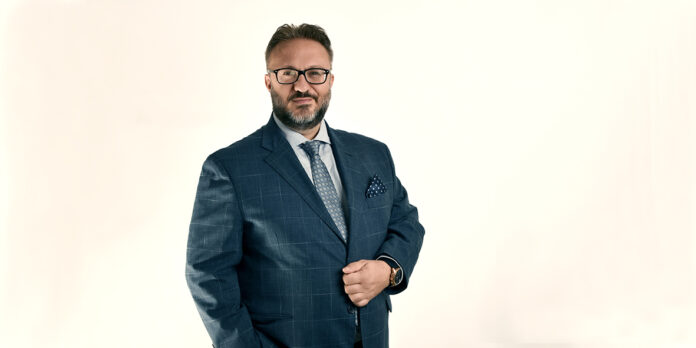
Today’s digital transformation requires companies to develop increasingly innovative business models, through the use of 4.0 technologies, and sustainable from an environmental and social point of view, and to automate their production and organisational processes in order to increase their competitiveness in the reference market. Established in 2018 from the more than 20 years’ experience of its founder, Engineer Maurizio Fiaschè, F-engineering Consulting aims to guide companies through this unprecedented revolution, enabling them to improve their business performance and achieve their business objectives from a radically innovative perspective.
by Roberta Imbimbo
Mr Fiaschè, what was the mission of F-engineering Consulting?
The company was founded with the ambitious goal of helping companies innovate and streamline their production and organisational processes to successfully face digital transformation, providing them with highly customised, qualified, and reliable business consulting in three strategic areas: Industry 4.0, Engineering and Sustainability. More specifically, a first Division deals with all consultancy activity related to the Transition 4.0 plan and subsidised finance, such as hyper-amortisation/tax credit practices for investments in tangible and intangible capital goods 4.0, functional to the technological and digital transformation of production processes (from 2018 to date, we have certified more than 1,500 assets); tax credit for investments in Research, Development and Technological Innovation to foster digital transition processes in the circular economy and environmental sustainability. The Engineering Division deals with consultancy on the Machinery Directive, on Lean 4.0, i.e. the streamlining of business processes through their digitisation, and on ISO 9001 Quality Management Systems, ISO 45001 Worker Health and Safety, ISO 14001 Environmental Management Systems, ISO 50001 Energy Emission Systems, as well as Project Management activities of complex digitisation projects aimed at proposing new business models using technological and innovative trends. Lastly, the third Division is responsible for providing consultancy from a sustainable manufacturing perspective, through green label, LCA and Carbon Footprint certifications of processes, products and organisations.
What are your strengths compared to your competitors?
In addition to the experience gained over many years of activity in such a complex and articulated sector, F-engineering Consulting has succeeded in establishing itself in a highly competitive market, extending its operations over almost the entire national territory and enlarging its client base year after year, not only SMEs but also large corporate groups with a turnover of hundreds of millions of euro, with which it has established a relationship of strict trust. Our added value, which has allowed us to increase our brand reputation, is represented by our ability to provide high-level tailor-made business consultancy, absolutely not standardised but tailored to the real needs of each individual client, in all the thematic areas illustrated, which are complementary to each other. And in order to maximise customer satisfaction, which has always been our priority objective, we have set ourselves the goal of further expanding our consultancy services, for example by starting to deal directly with Facilitated Finance in order to take advantage of the opportunities in the PNRR, so as to provide our clients with an increasingly complete and qualified service.
In over 20 years of presence on the national territory, Progeca – PROgettazione GEstione Cantieri – has confirmed itself as a reality capable of combining engineering skills with the world of industry and logistics, operating successfully in Italy and abroad in the field of urban, building, structural and plant design, works management and site safety. The mission of the Turin-based company is to provide customers with ‘turnkey’ works according to a philosophy that respects the environment, time, costs and quality. These peculiarities have enabled it to work with major industrial players and investment funds, expanding beyond its headquarters in Caluso (TO) to Milan, Rome and Spain. Attention to respect for the environment, time, cost and quality of planned and directed operations are the hallmarks of a Group that has been able to manage operations of over 1,000,000 square metres in the last 5 years. Today Progeca develops projects in a BIM environment following the strictest BREEAM, LEED, WELL protocols. In this long interview, Marco Crotti, CEO of this all-Italian excellence takes stock of the situation in an industry that has been severely affected by the impact of the Covid and the war in Ukraine. But not only…
Today we are always talking about accidents on the building site and lack of safety, what should change?
The first point is a basic concept. We talk about ‘zero’ accidents that should never happen. It is hard to say but this is not the case because every job involves a risk. We must be able to reduce the incidence of accidents year after year in order to always improve. We have legislation that only affects the Employer or the Safety Coordinators, never the workers. In 23 years of work we have never seen a worker sanctioned for not wearing a helmet, safety shoes or gloves. The same worker, on the other hand, is penalised at the first corner if he drives his car without a seatbelt. Paperwork and documentation must be simplified; it seems that safety is governed by rivers of declarations and paper. We need more site inspections for everyone. We need less paper and more practical sense. We need an insurance system that touches the pockets of both workers and companies, increasing insurance premiums in the event of irregularities.
And as for the labour shortage, what is happening?
Unfortunately, the perfect storm is underway. The so-called Superbonus has taken away a lot of resources for ‘hit and run’ jobs that do not have a very long horizon, for two years they have reduced the availability of labour. Situations such as the Superbonus must be planned with the awareness that the construction industry has a very long production cycle, calibrated on horizons of at least five years with certain rules.
Then we have the citizenship income that leads many not to look for work, regardless of the salary that is offered, and leads others to even try to prove that they have no income rather than look for one. Finally, the Italian school system has failed to give proper weight to crafts and professional jobs, thus reducing the number of young graduates in these sectors. More incentives for vocational training would allow qualified and motivated workers to enter the labour market.
How have recent events affected the construction industry?
The pandemic and the war in Ukraine have destabilised the system by creating ‘hiccups’ in supplies, leading to a sharp rise in raw material and energy prices. Consequently, we realised that we have to be more autonomous, especially in energy supply. It is no longer time to wait months or years to get the necessary authorisations to set up a renewable energy plant, we need to be more immediate. Until recently, photovoltaic panels and wind towers were seen as a ‘visual nuisance’, as ‘environmental damage’; today legislation is taking timid steps towards simplification. It is a pity to realise this now at a time of extreme necessity and not to have been able to anticipate it earlier. In this context, Progeca is particularly active in the sector and proposes to all customers the realisation of energy-saving, self-production and energy storage systems. www.progecasrl.it
FM Cartiere, controlled by Cartiera Fornaci Spa, is a company based in Momo (Novara) highly specialized in the production and marketing of coated cardboard (100% based on waste) for the food, luxury, cosmetic, pharmaceutical and industrial packaging sector. An all-Italian historical excellence – the paper mill dates back to 1963 – which produces 80 thousand tons of product per year destined for both the national and international markets on which it aims to increase its customer base, which this year will invoice about 70 million euros and boasts 100 highly qualified and motivated resources. In this interview, the General Manager Marco Viarenghi, talks about the future challenges that the company is called to face to acquire further competitive advantage in the reference market.
by Roberta Imbimbo
Dr. Viarenghi, FM Cartiere is a company with a green heart that increasingly aims at the digitalization of production processes, safety in the workplace and sustainable development. How important are these issues to you?
Automation, digitalization, worker safety in accordance with ISO 45001 (for some time we have embarked on a virtuous path aimed at increasing our safety standards) and environmental sustainability are extremely important concepts to project into the future a company that aims at innovation and modernization while preserving its historicity. To better venture into dital transformation and the fourth industrial revolution, we decided to use business intelligence tools with Dashboards and KPIs to achieve greater speed in making tactical and strategic decisions and big data , which today represent an extremely competitive factor. At the same time, we will make new investments aimed at reducing pulper waste, i.e. residues from the paper production process that can no longer be reused for the production of new paper. For those of us who have always made social, environmental and economic corporate responsibility their main ethical value, it is in fact of fundamental importance to adopt best practices of circular economy and environmental sustainability, to obtain a greater recovery of waste and process water, to allocate the remaining waste to waste-to-energy plants thanks to the increase in calorific value, aiming at a reduction in waste transport to reduce CO2 emissions.
Thanks to a strategic vision and an innovative business approach in all these months you have achieved important goals. Future goals?
One of our priority challenges is certainly to grow further in the reference market, aiming at a continuous and gradual increase in production volumes and the stability of the production process with kaizen activities in the factory and with the adoption of smart technical solutions. Strengthened by a corporate culture that aims at continuous improvement, we have recently tested a new cutter to increase the cutting output and thus better serve our customers (maximizing customer satisfaction has always been our priority goal!). We have also introduced the Soft Calander into the line of the continuous machine to increase the quality of the cardboard and its printability. Finally, to increase the visibility of the company abroad, strengthen the corporate identity and brand reputation among all interested stakeholders and improve interaction with our customers, we will focus even more on corporate communication, also with the creation of a new website. For more info (https://fmcartiere.com)
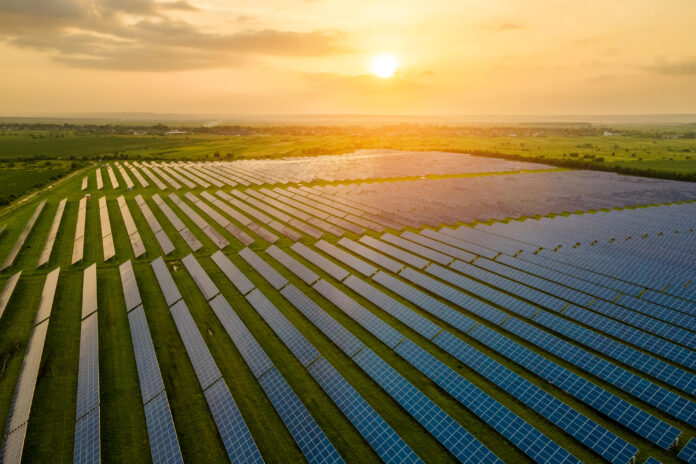
Aerial view of large sustainable electrical power plant with many rows of solar photovoltaic panels for producing clean ecological electric energy in evening. Renewable electricity with zero emission concept.
Renewable energies are of great interest to our country today because of two strategic objectives: the need to contribute to the reduction of energy dependence on foreign superpowers and the commitment to contribute to the fight against climate change, as set out in Goal 13 of the UN 2030 Agenda. Founded in 2012, iQuadro is a company highly specialised in the design and implementation of solutions based on the use of renewable energy that has managed to establish its leadership in a highly competitive market thanks to a strategic vision and a truly innovative business approach. Talking to us about this all-Italian excellence, with its registered office in Calabria and other operating sites in Lombardy and Campania, is engineer Vincenzo Sposato, the company’s sole director.
by Roberta Imbimbo
Mr Sposato, with what mission was iQuadro born?
Born in 2012 (this year it celebrates its first 10 years!), from the meeting of a group of engineers and professionals from the energy sector who wanted to set up their own consultancy company for the implementation of renewable energies in Southern Italy, since its foundation iQuadro has set itself the ambitious goal of becoming an important reference point in the field of energy efficiency, on the strength of an innovative vision, which has proved rewarding over time, and a highly qualified and reliable multidisciplinary team. After focusing for years on photovoltaics, the company has subsequently expanded its core business to other important activities, consequently broadening its offer to become a strategic partner for its customers, both families wishing to become part of the world of renewable energy, and companies with a green heart wishing to make their production plants more efficient in order to improve their ecological footprint. Today iQuadro is an Energy Service Company (ESCo) highly specialised in the field of energy efficiency, able to offer both qualified consultancy in the field of renewable energy and room air-conditioning and engineering services aimed at designing and implementing energy efficiency and air-conditioning solutions, as well as top-quality integrated financial services to guide clients in accessing credit or the numerous deductions and facilitations provided by the NRP. As energy efficiency can be a very costly endeavour, for each type of client iQuadro is able to identify the right financial solutions to support energy efficiency investments. (domestic customers, for example, can access invoice discount with credit assignment; while companies can access services such as Tax Credit, credit assignment, subsidised finance, Pure Capital Operating Rental, ESCO on energy and the Asbestos Fund).
What are your strengths? What peculiarities distinguish you from your competitors?
We have always made it our priority to facilitate the energy transition urgently required by Europe, thereby contributing to a more sustainable future, and we have always endeavoured to distinguish ourselves in the market by our reliability, professionalism, and high level of specialisation. In addition to the experience and expertise gained over many years of activity, our main added value, which clearly differentiates us from other market players, is our ability to provide tailor-made consultancy with high added value, tailored to the needs of the individual customer, and to evolve by proactively anticipating the trends of a constantly evolving market that now offers alternative solutions (to photovoltaics) for energy efficiency! This has enabled us to increase our customer base year after year in the Industry, Retail and Consumer markets. As far as the Industry market in particular is concerned, the experience accumulated over many years of activity has led us to understand many important points of the application of renewables in this field and the realisation of a zero-emission industry. That is why we are now perfectly able to support Italian entrepreneurs in this efficiency process (planning and executing the works) and in identifying the most suitable financial measure to develop their business activities with a view to the circular economy and sustainable development.
Many goals have been achieved to date. Future goals?
We project ourselves with enthusiasm towards the design and development of new RECs (Renewable Energy Communities) and collective self-consumption. Just as in the industrial field, we are focused on new solutions for the agricultural sector. For example, the ‘Agrisola-re Park’ Measure, Mission 2 ‘Green Revolution and Ecological Transition’ of the PNRR, aims to support investments for the construction of photovoltaic solar power plants in the agricultural and agro-industrial sector, excluding land consumption. In particular, the Measure (the call for tenders is open and the window is from 27 September to 27 October) provides for the selection and financing of interventions that consist in the purchase and installation of solar panels on the roofs and greenhouses of pre-existing buildings (such as agricultural, zootechnical and agro-industrial sheds) and instrumental to the activities of the beneficiary enterprises. In addition, the Ministry of Ecological Transition will launch by 31 December 2022 the first call for tenders to take advantage of the funds allocated by the PNRR (approximately EUR 1.2 billion) for the construction of agro-voltaic plants, i.e. plants that adopt integrative and innovative solutions, with the installation of modules elevated from the ground so as not to compromise the continuity of agricultural and pastoral cultivation activities, also allowing the application of digi-tal and precision farming tools. Such installations therefore do not consume soil, like ground-mounted photovoltaics. As they do not take land away from agriculture, they offer numerous advantages: they combat land abandonment by increasing productivity, they reduce evapotranspiration (with a considerable saving of water), and they create a favourable synergy (made up of reduced exposure to the sun, soil moisture and temperature) for plant growth and agricultural production in general. In sum, iQuadro is a one-stop shop for identifying and exploiting all the numerous opportunities and incentives provided by the PNRR plan: its team of engineers and energy efficiency experts is able to follow the customer at 360 degrees in adhering to these measures: from documentation analysis to feasibility studies, from design to construction.
Founded in 2011 from the 30-year experience of its founder Filippo Castagnozzi, now in its second generation, C-Engineering is a company from Irpinia highly specialised in the field of technological systems, public buildings, fire-fighting and energy efficiency. An all-Italian excellence that has managed to assert its leadership in a highly competitive market, thanks to high-quality services and a highly motivated and qualified team. Agostino Castagnozzi, Sole Director and Technical Director, in this lengthy interview talks about the importance of energy requalification of buildings and how sustainable construction actually helps to achieve the energy transition.
by Roberta Imbimbo
Dr Castagnozzi, with what mission was C-Engineering born?
C-Engineering was born in 2011, inheriting the highly specialised know-how of my father Filippo Castagnozzi, a well-known systems designer who had been active since 1980, the time of the Irpinia earthquake. Over time, however, the company has expanded its core business to other strategic activities, although plant engineering remains one of its main activities, becoming an all-round engineering company. Today, C-Engineering is a company operating throughout the country, whose primary objective from its operational headquarters in Ariano Irpino is to maximise customer satisfaction by offering tailor-made design solutions, with high added value because they are tailored to the specific needs of each individual customer in terms of functionality, usability and aesthetics, according to a working method based on the most modern quality standards.
What kind of market is it in which you operate? What peculiarities distinguish you from your competitors?
The public procurement market is certainly a highly competitive market worth around 200 billion euro per year. Despite the presence of numerous players, some of them well-structured, thanks to the experience and professionalism gained over many years of activity, C-Engineering has managed to assert its leadership by becoming an important point of reference in the sector, with a strong team of highly specialised, close-knit, motivated and well-integrated professionals. For C-Engineering, human capital is certainly very important. It is no coincidence that it has decided to make professional training its workhorse. Thanks to strategic partnerships with organisations and leaders in the sector, its employees have the opportunity to constantly acquire the most up-to-date and cutting-edge knowledge and technical skills, giving it a competitive advantage in its market. Another strategic choice, which over time has proven to be rewarding, is the desire to diversify the core business: today C-Engineering also proposes and implements solutions for the energy efficiency of buildings, addressing its offer mainly to the Public Administration, i.e. schools, hospitals and municipal bodies. Innovative solutions, which concern both the building envelope and the plant engineering component of the structures, capable of rationalising and optimising the consumption of the most energy-intensive systems: at the end of an accurate energy diagnosis, we are able to identify the interventions necessary to guarantee the passage to a higher energy class, carrying out a global energy requalification of the building (school, hospital or municipal offices) done with all the necessary criteria, always having as a priority the protection of the environment.
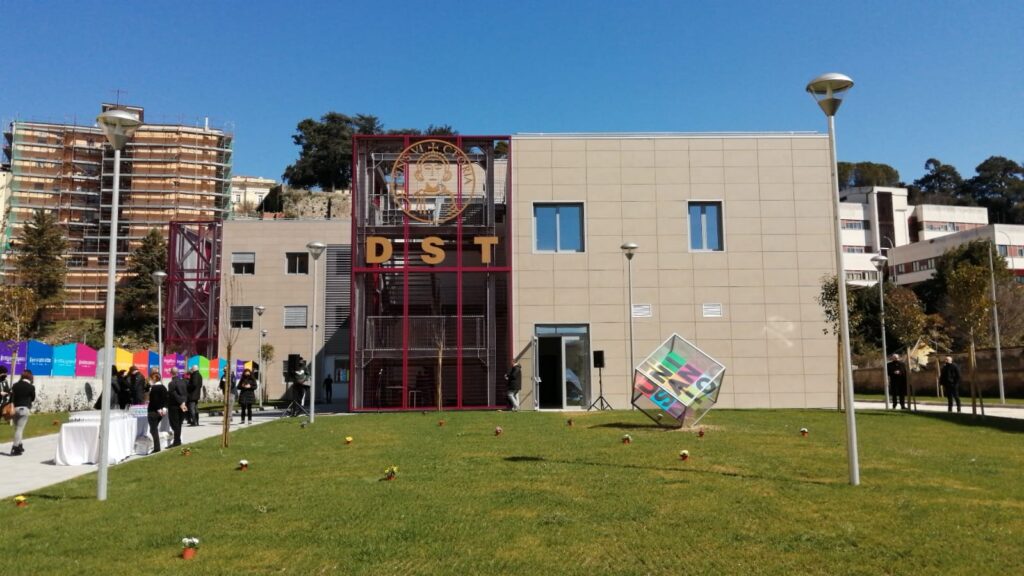
Department of Science and Technology University of Sannio, project realised by C-Engineering
How important is it today to make such buildings increasingly energy efficient? How does sustainable building support the energy transition?
Extremely important! The Ukrainian geopolitical crisis and the resulting uncertainties in Russian gas supplies clearly show the need to significantly increase investments in energy efficiency, accelerating immediately on renewables and building upgrades (today it is no longer possible to be energy-dependent on superpowers!). By exploiting the opportunities created by government tools and incentives, such as the 110% Super-bonus envisaged in the DL Relaunch or the funds (about 60 billion euro) for energy efficiency envisaged within the PNRR, it is possible to adequately manage deep redevelopment interventions, making a concrete contribution to reducing the energy needs of buildings, and at the same time ensuring other important advantages on environmental and acoustic comfort. On the other hand, the benefits of the energy transition have a positive impact on the economy of a country where most buildings are more than 50 years old and are therefore still energy inefficient precisely because they were built at a time when nobody cared about environmental impact (in Italy, in fact, 34% of the building stock belongs to energy class G (energy consumption is more than 189 kWh/m2 per year) and only 6.6% belongs to class A (below 15 kWh/m2 per year). Today, we know what the consequences of this neglect are, which is why we must intervene promptly by renovating as many buildings as possible. Today, among other things, nanotechnology and intelligent materials make these renovations less invasive and faster.
Future goals?
To further consolidate our position in the target market, and also to concretely study the creation and dissemination of energy communities in inland areas of the country. In cooperation with university institutes that are already active in this field, we want to develop proposals for small municipalities and disadvantaged areas so that the sharing and efficient use of energy can lead to new development.
Founded in 1986, Tecnoconsult Engineering Construction is a multidisciplinary engineering company that provides services to both the oil and gas and renewables industries covering offshore and onshore, upstream and midstream engineering. Tommaso Pierangeli, now at the helm of the company together with his sister Francesca, tells us about the innovative LNG technology.
Dr. Pierangeli,what is LNG?
Natural gas is a mixture of hydrocarbons whose main component is methane; this gas is extracted from the production fields that can be found both on land and at sea. The abbreviation LNG (in English LNG, Liquefied Natural Gas) means Liquefied Natural Gas and represents the form in which the natural gas is found after the liquefaction process: this process consists mainly in cooling the fluid up to a temperature of -162 ° C with consequent reduction of the initial volume of gas by about 600 times.
What advantages does this technology offer?
The classic method of transporting natural gas is through large steel pipelines, possibly interspersed with stations equipped with large compressors that allow the gas to travel long distances; obviously this method involves the construction of these transport infrastructures, which once installed are not very versatile (for example in the diversification of supply or in the variation of flow rates).
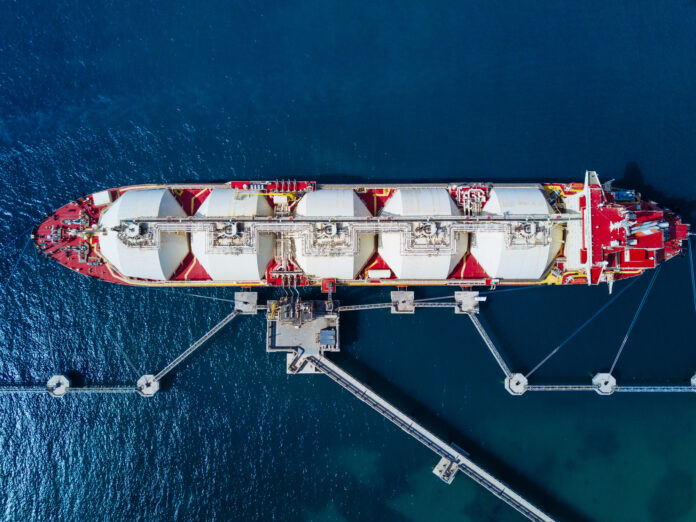
The use of LNG allows the transport of the product with LNG carriers that can then load the liquid in various production terminals and deliver them to appropriate reception facilities (called regasification plants) located several thousand kilometers from the production sites. The reception systems then transform the LNG back into gas and convey it to the national network for distribution to our homes.
The effect of reducing the initial volume by 600 times as a result of liquefaction also allows for easier storage in shore or floating deposits, ensuring strategic stocks.
What are the environmental implications of an LNG regasification plant?
Strict environmental protection regulations are now in place in almost all the world and the design has adapted to these stringent requirements. Depending on the technology chosen to transfer heat to the LNG and bring it back to the gaseous state, different interactions with the surrounding environment can be had; these interactions are carefully studied in the design phase, also with the help of mathematical forecasting models, and compared with the legal limits of the country in question.
We believe that among all the industrial processes with which we live today, LNG technology can be counted among thatand with reduced environmental impact; methane treated in these plants is the “commodity” that operators sell and it is therefore intrinsic that there is no economic convenience, as well as obviously environmental, to disperse it. All operators have a strict policy of zero methane emissions.
And from a security point of view?
As with any Oil & Gas plant, safety is the main reference factor in the design; during the study phases, calculations and simulations are carried out on potential accident scenarios, also taking into account extremely remote hypotheses (for example with a probability of occurrence of one in a million) and defining a whole series of design solutions aimed at mitigating the consequences of even such remote events.
Why is this technology important for the future?
We believe that LNG is an extremely effective role in ensuring flexibility in supply, which is a fairly sensitive issue. Many of the natural gas producing countries are equipping themselves with coastal liquefaction plants and, at the same time, the importing countries (including Italy) are organizing themselves with regasification terminals; the fleet of gas tankers is expanding.
This scenario leads to the creation of “virtual” pipelines between producing and importing countries, guaranteeing both parties great flexibility in increasing thecapacity of the operators.
What services does Tecnoconsult offer in this area?
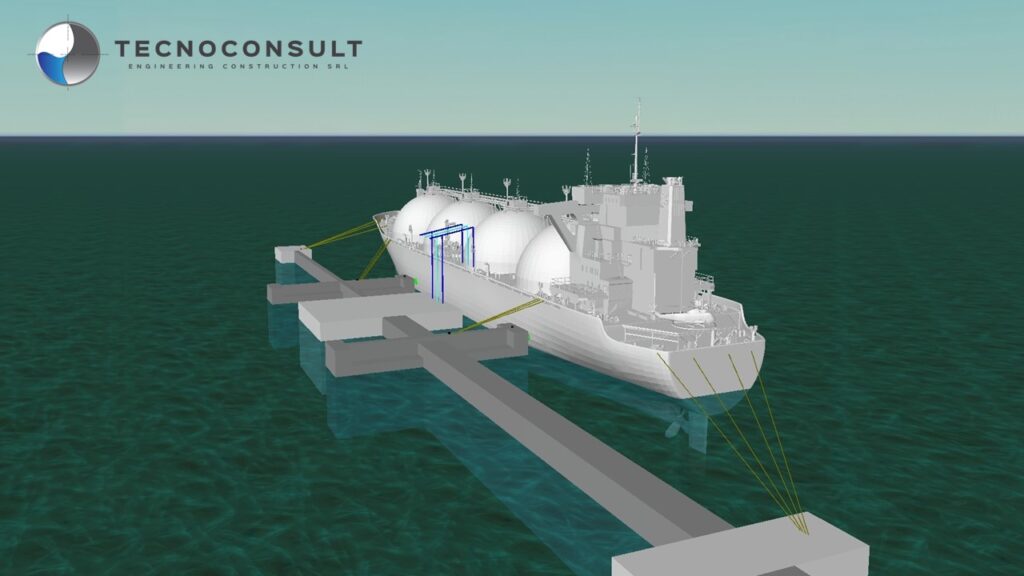
Our Company is able to provide 360 ° design services in the field of regasification terminals, with a special focusand coastal terminals, also equipped with floating storage.
C Consulting – part of the Engineering Group that with a turnover of over 1.4 billion euros and 13 thousand employees is one of the leading Italian IT groups – is a company specialized in insurance and reinsurance that has developed XLayers, an innovative, simple and intuitive software, which allows end-to-end management of the entire active/passive reinsurance process of insurance companies and groups completely focused on the needs of the individual customer. Thanks to this cutting-edge solution – which has radically innovated the complex and delicate reinsurance process, automating and managing in a precise and intelligent way the enormous amount of data and technical accounting information exchanged between insurance companies and reinsurers – the Genoese company has managed to assert its leadership in a highly competitive market, thanks to a team of 50 highly qualified and motivated professionals who also work with players from other foreign markets. Aldo Capurro Founder and CEO of this all-Italian excellence, and Raffaele Riva Head of P&C Business Management Italy of Swiss Re – since 1863 one of the world’s leading reinsurance groups, operating through a network of about 80 offices around the world – tell us about Ruschlikon Italia (RIGI), the Italian Project for the Digitization of Technical-Accounting transmissions between Insurers, Brokers and Reinsurers (based on ACORD platform) created in order to make accounting exchanges in the national and international insurance market more direct and simple. The Ruschlikon Initiative in Italy is promoted by RIGI (Ruschlikon Implementation Group Italia), which includes Scor, Munich Re, Hannover Re, Mapfre Re, Gen Re, Guy Carpenter in the Executive Committee and in the Working Group sees insurers such as HDI Italia (ex Amissima), Axa Italia, Unipol Sai, Europe Assistance, Società Cattolica di Assicurazioni, Sara, in addition to the support of ANIA together with Aon Re, Guy Carpenter as brokers and the main IT providers operating in Italy (DXC, MSG-SAP).
by Roberta Imbimbo
Dr. Capurro ,what is Ruschlikon/ACORD?
About 14 years ago, more precisely in 2008, the world’s largest insurers, brokers and reinsurers met at the Swiss Re congress centre in Ruschlikon, a small village near Zurich, to discuss how to make the processes of the insurance market more direct and efficient and in particular the digital exchange of data between insurance companies and reinsurance thanks to the adoption of ACORD Standards (these are international standards already widely used in the USA). Thanks to the concrete and pressing interest of all market players in accelerating the digital revolution in the reinsurance sector, as part of this innovative and visionary project sub-groups of work have been created at local level, among which the Italian one has been entrusted with the ambitious goal of mapping and standardizing all end-to-end processes ( i.e. from the original phase of taking out the policy in the primary market to that of reinsurance). Ruschlikon Italia was therefore born in the spring of 2019 thanks to the precious collaboration of two Italians who have become the pioneers of this important initiative for the Italian market – Raffaele Riva, as representative of Swiss Re, and Aldo Capurro, as CEO of C Consulting – who were asked to transform the reinsurance market facilitating dialogue between all local actors in the ecosystem. How so? Adopting a single global standard to standardize, speed up and simplify the digital exchange of technical, accounting and financial information, data and documents between insurers, reinsurers, brokers and IT providers. With the aim of revolutionizing the logic of Ruschlikon that in the rest of the world is based on peer to peer connections between the systems of the Companies (a logic that in our opinion had strong operating limits), Raffaele and I have therefore created a sort of local Executive Committee of the major reinsurers based in Italy, and a working group that sees, among others, the participation of ANIA, in order to analyze, census and validate all the reinsurance templates, i.e. all the types of communications that can occur between the various market players, coming to create and define concept maps to move smoothly within this sector (a sort of Treccani of reinsurance at the level of technical accounting communication ). In May 2020, our standards were validated. On September 21, 2020, the Global Ruschlikon/ACORD Steering Committee, composed of the world’s largest Insurers, Brokers and Reinsurers, gave the green light to the implementation of the model for the Italian Market by welcoming the business case proposed by us and in 2021, after two years of intense work (often hindered by the numerous operational limits resulting from Covid), the first centralized digital platform ACORD to which today you can hook the entire Market (Hub) in order to send and receive data and technical-accounting information of reinsurance. A sort of reinsurance ecosystem able to offer all the possible ways of connecting from the most advanced (gateways, APIs) to the most traditional ones (Excel files that can be converted into ACORD language), to which you can also interconnect internationally, once the similar projects that are developing in parallel in other countries will be implemented, so that the digital exchange of technical-accounting data can become fast, secure and according to a standard shared worldwide.
Dr. Riva, how does this digital transmission process work in practice? Is it easy to use? Has the market shown enthusiasm?
Roma 25 Giugno 2022, ITALIA.
Ritratti in Studio “Raffaele Riva”
In the pictures: Raffaele Riva
Photo by Stefano MICOZZI
Absolutely, beyond expectations. On April 7, 2022, the first digital transmission of a technical account, carried out in real time, was presented to the companies that adopt XLayers and on April 12 to the other companies in the Italian market. It was sent by SACE BT (which I want to thank for its willingness to be the forerunner in this initiative) via XLayers, passing through the platform created by ASG (ACORD+ Solutions Group), up to Swiss Re which received and automatically acquired the message within its systems, which responded with feedback from live acceptance. Thanks to this test, the companies were able to appreciate the simplicity and speed of data transmission, in the entire round trip process everything took place in a few minutes, accelerating a process that would normally take at least 15/20 days. In addition, it is evident the effectiveness of a process designed to be audit-proof, internal and external. Needless to say, such transmissions are encrypted and made in full compliance with the requirements of the GDPR. This is obviously a real revolution, since the insurance industry finally has the opportunity to use a market hub to digitally exchange the technical-accounting data that all operators can access by speaking the same language in terms of standards that apply worldwide. All this so that those who join can benefit from unrepeatable and competitive conditions: no participation costs in Ruschlikon Italia (RIGI), no contribution to the creation of the platform, the first 4 million messages supported by the “Sponsors” from ACORD, Swiss Re, Munich Re, Hannover Re, Mapfre Re, AXA XL Re, Aon Re, Guy Carpenter, Willis Re (now Gallagher Re); cost “at full capacity” per message (once the 4 million messages are exhausted) extremely reasonable.
Swiss Re is already operating in this area as the Group is at the forefront of technological challenges, the use of big data and all innovations worldwide. An example is the interchange started last March with Aon Re which has equipped itself in Italy with the technology / systems necessary for this type of digital interaction and which dialogues with Swiss Re in the exchange of such data.
Thanks to your valuable contribution, our country is charting the path of the digital revolution in the reinsurance sector worldwide! Future goals?
The world’s largest reinsurers are actively working on the interconnection with the platform and Guy Carpenter also plans to become operational in this regard in 2023. Although at the moment Aon Re has started to send data in digital format to Swiss Re and others (Crédit Agricole, Elba Assicurazioni, Milanese Insurer) have instead agreed to be part of the data transmission tests through the Italian market hub, the main challenge for the near future is to widen the audience of companies interested in sharing this project, raising awareness among all stakeholders on the importance of adopting these standards, accelerating digitalization within the supply chain. Once the platform is populated by a fair number of participants, the next step will be the transition to blockchain technology.
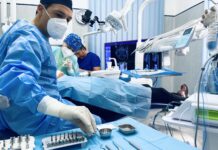
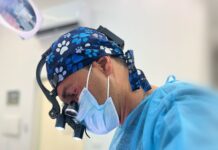
Osteoporosis, a chronic disease characterized by alterations of the bone structure with consequent reduction of resistance to mechanical load and an increased risk of fractures, undoubtedly represents a disease of social importance: the World Health Organization estimates that in Italy they are affected 1 out of 3 women over 50 (about 5,000,000 people) and 1 out of 6 men over 65 (about 1,000,000 people) have this pathology. Dr. Luca Serra, Spine Surgeon of the Pascale Institute of Naples and of the Israelite Hospital, explains the achievements in this field ….
by Roberta Imbimbo
Dr. Serra, what are the causes of osteoporosis?
As we age, the reduction of bone density is undoubtedly a natural process. However, when it decreases excessively, an osteoporotic picture is likely to arise: in this case the bones become increasingly porous and unstable and can fracture at the slightest stress. Due to the severe pain, people tend to assume an analgesic position and end up moving less and less, with the further consequence of painful muscle tension. The lack of movement causes a weakening of the muscles, resulting in instability and insecurity in walking. This insecurity in turn increases the risk of falls, creating a real vicious circle. The goal of any medical treatment is therefore to significantly slow down the decrease in bone mass, favoring its reconstruction, reducing pain and avoiding any bone fractures.
Vertebral fractures represent a serious social problem due to their frequency and the limitations to the autonomy of the person that the pain related to them can cause. Until a few years ago there was a tendency to immobilize the patient with very uncomfortable metal braces, to avoid worsening the situation. How are they treated today?
In recent years, advances in surgical techniques and increasingly sophisticated instruments have made it possible to treat many pathological conditions of the spine with minimally invasive operations, performed in day surgery or with very short hospitalizations. In the specific case of osteoporotic fractures, modern vertebroplasty allows the spine to be secured by avoiding the need for metal braces, immobilization and at the same time ensuring the disappearance of painful symptoms. The operation is performed under local anesthesia through a percutaneous incision so small that it does not require sutures: using a small needle and under radioscopic guidance, acrylic cement (polymethylmethacrylate) is inserted which solidifies inside a fractured vertebral body in order to consolidate it and strengthen its structure. This makes it unnecessary to use a corset after surgery.
What advantages does this method offer to patients?
The benefits are significant: smaller incisions, less post-operative pain, less blood loss, shorter hospital stay resulting in reduced social costs, fewer pain control drugs and a much faster resumption of work and health activities. everyday life.
In conclusion, for which pathologies of the spine can minimally invasive surgery be applied?
In almost all the most frequent morbid conditions: herniated discs, fractures, stenosis of the canal, instability, spondylolisthesis and tumors. In case of herniated disc, for example, among the many possibilities among which the surgeon can choose, percutaneous discectomy is certainly one of the best techniques available today. With an adequate selection of cases to be treated, this procedure, in fact, is effective in 80% of cases, with the immediate disappearance or significant reduction of painful symptoms.
Understanding the needs to find customized solutions …
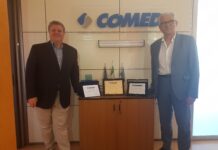
“The ICT market is perhaps entering its most interesting dimension: today there are more and more convergences and enabling technologies that pervade every area, drawing the attention of companies to issues of efficiency and competitiveness: SMEs must benefit from a digital transformation that starts from processes and operational practice. Technology is in fact an enabling tool useful for evolving the role and contribution that people can make to the company, nurturing skills and stimulating the creative contribution of individuals to the development of the corporate business “. Thus began the interview with Nunzio Vernazzani, owner together with Prof. Pasquale Leone of Comed Srl, a business consulting company that carries out an intense activity of management and IT support to production and distribution companies.
by Roberta Imbimbo
Dr. Vernazzani, when was Comed Srl founded and with what mission?
Born in 1994 from the passionate and far-sighted project of a pool of professionals from university and business circles, Comed S.r.l. in all these years it has always been committed to distinguish itself on the market for professionalism and continuity, managing to increase its customer portfolio year after year, thanks to the supply of high quality Application Solutions and Global Services rendered by competent and qualified professionals. The founding partners (initially four, today two), who until then had worked together in other companies, had a truly innovative idea of consulting for the time: 26 years ago, in fact, small software was very widespread. house, specializing in the production of standardized software and applications offered to customers without any programming or planning. Our idea was instead that no software alone could be the cure-all for all companies, and that these, to increase their efficiency and competitiveness, needed a digital transformation that started from internal processes and operational practice. In fact, SMEs, especially if led by visionary managers, first need to revolutionize the Human Resource management processes in order to receive from their collaborators an increasingly greater contribution of competence, based on the tools available today for Business intelligence. The digital revolution has created a massive influx of information, which shows no signs of slowing down. Data is everywhere, it is generated continuously, and it is deeply rooted in the processes of small and large companies. Today everyone expects to be able to access new information and also use it to understand the new opportunities to be seized. But the important thing is to know how to do it correctly!
Why can the partnership with Comed be strategic?
Because Comed does not offer standardized solutions but customized according to the needs of the individual customer; is not a mere software vendor but a wide-ranging consulting company capable of shaping interventions on the client company’s people, operational processes and information systems in order to achieve the set goals. Comed is a serious and competent partner, a system integrator operating throughout the national territory, which companies can rely on with confidence to accelerate their digital transformation, redesigning processes and operating models that allow them to achieve or preserve a competitive advantage in the its reference market, to be in step with the times and to make progress by ensuring effectiveness and efficiency and therefore growth and stability.
corporate reorganizations at the time of the health and economic crises prohibitions of dismissal, limits, exceptions and doubts of constitutionality
In this long interview, Studio Gerardo Vesci & Partners – a well-known and historic Law Firm specializing in Labor Law – examines the purely labor law aspects of the so-called August decree and the limits that have characterized the entire 2020 post Covid in corporate reorganizations.
Can you tell us to operators in the labor sector if it was a hot summer with this proliferation and overlapping of rules?
The August Decree – published close to August 15th – was long awaited to verify on the one hand the continuation of the shock absorbers foreseen for this certainly critical period of health emergency, on the other hand the possibility for companies that needed it to verify the feasibility of plans reorganization.
What are the cases in which reorganisations which also involve redundancies are permitted?
The cases are foreseen in detail and strictly.
First of all, the possibility of framework agreements with the comparatively more representative trade unions at the national level was hypothesized that provide for plans not to oppose the consensual termination and therefore with incentives to leave. The rationale is to protect the free will of an individual to negotiate an exit with an economic incentive and at the same time, the law expressly provides, the right to NASPI (which is generally linked to the so-called involuntary unemployment).
Furthermore, the cases in which the withdrawal is justified by a definitive cessation of business activity without continuation have been expressly excluded from the limits and prohibitions. Therefore, following the Liquidation or a Bankruptcy without provisional exercise of the business activity. In the event that the provisional exercise is arranged for a specific business branch, dismissals relating to sectors not included in it are excluded from the ban. And in other cases, does the ban remain?
In the other cases, by analyzing the rule, privileged the principle according to which, before any reorganization need, the use of “Covid” shock absorbers should be evaluated to postpone and verify whether the needs are temporary and solvable.
Therefore, there is still a period of prohibition, however, with movable dates to be calculated case by case.
Do you give furniture?
Yes. While previously with the “Cura Italia” decree and the “Relaunch” decree there were fixed and unique dates on the prohibition of withdrawal for objective reasons and suspension of the inherent procedures, with the “August” decree no specific dates are indicated and immediately perceptible to non-operators in the sector, but an end to the prohibition on dismissals for objective reasons is envisaged, which can be defined as “mobile”.
Can you give us some hypotheses?
HYPOTHESIS A): the conclusion of the ban is linked to the full use of the shock absorbers and the additional 18 weeks granted. The calculation is therefore variable.
HYPOTHESIS B): the end of the ban is linked to the full enjoyment of the contribution exemption provided for by art. 3. In this case, the deadline can be obtained by doubling the time of the shock absorbers used between May and June.
And the company that has not requested anything in terms of shock absorbers is still bound?
It is a peculiar and debated case. In this case, the first interpretations presuppose that the Legislator intended to interpret this company choice as an implicit admission that it does not have the need for reorganizations and urgent difficulties. This is inferred from the fact that the ban still applies and is linked to the deadline for the use of the COVID Fund and therefore to 31/12. But in reality the reorganisations, especially the “micro” ones that concern single positions and mini departments, are not necessarily linked to a corporate crisis and the jurisprudence has largely overcome the concept that the objective reason for dismissal must be linked to a “crisis”.
In this way there is a boomerang effect: a company that has not asked for “help” is not free in self-determination and reorganization.
Concluding this brief analysis, we can speak of limits to the freedom of enterprise and the exceptional and temporary compression of art. 41 of the Constitution?
It is certainly a peculiar phase in which companies are asked to postpone, to wait. One wonders if freezing and postponing the reorganizations, with costs related to shock absorbers, was the only conceivable solution. If the funds could alternatively be placed on an increase in the values of the unemployment benefit so as to protect the
employees – with greater protections and higher values for workers in the event of involuntary unemployment – and at the same time allowing reorganizations to companies.
In the vibrant and complex setting of Lake Garda—where history, landscape, and architectural memory coexist—architect Lucio Merlini pursues a professional vision that goes far...
No longer a consulting firm, but a company that manages, coordinates, and drives the evolution of innovation projects. CambiaVerso establishes itself as a leading...
At a time when public administration is increasingly called upon to demonstrate transparency and expertise, Studio Legale Marotta stands as a model of balance...
In the Italian construction landscape, few sectors have evolved as rapidly as the field of prefabricated systems for window openings. Alpacom—now led by its...
Seven years after the introduction of the Gelli-Bianco Law, the long-awaited Implementing Decree has finally been issued, defining its most expected aspects: insurance obligations,...