













































While public debate focuses on healthcare infrastructure and new hospitals, a less visible but equally serious crisis threatens to paralyze the system: the medical device payback mechanism. We discuss this with Gennaro Broya de Lucia, President of Conflavoro PMI Sanità, and Michele Colaci, President of Confapi Sanità.
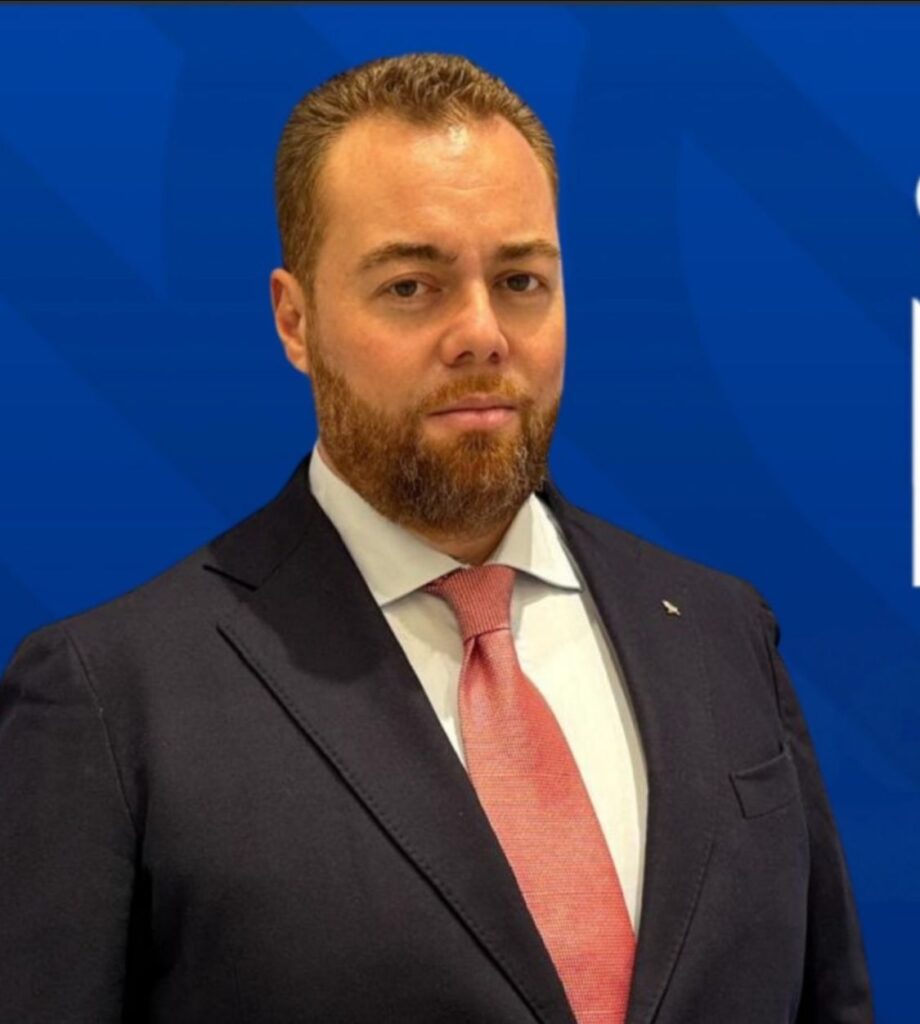
President, there is a lot of discussion about hospital construction and waiting lists. But you argue that today the problem lies elsewhere.
Yes. We can build as many hospitals as we want, but without doctors and without medical devices they remain empty shells.
How does the payback mechanism affect hospital operations?
It is a mechanism I would describe as “entrepreneurial euthanasia.” Companies are asked, years later, to repay enormous sums to cover public planning errors. The result is that many suppliers will no longer be able to sustain deliveries; without medical devices, procedures are postponed and waiting lists grow longer.
Are we talking about significant figures?
More than €10 billion in overspending, shifted onto companies that neither set the budgets nor decided the volumes. It is a transfer of responsibility that has no economic or legal logic.
How many companies are involved?
Payback puts an entire strategic sector at risk, made up of 95% small and medium-sized enterprises. If these companies fail, we lose not only jobs, but also expertise, innovation, and local resilience.
If the budget is wrong, why are suppliers the ones who have to pay?
That is the question we have been asking for three years, through legal and institutional action. Prices are set by public tenders, quantities are determined by healthcare facilities, and overspending is calculated after the fact. What do companies have to do with this? Nothing. Yet they are treated as the system’s ATM.
What are the consequences for the National Health Service?
Fewer suppliers mean less competition and greater dependence on a small number of multinationals—in practice, a more fragile and less sustainable system. On top of that, there are thousands of legal disputes weighing on the budgets of companies and Regions, with a serious risk of damage to public finances.
What are you asking of the government today?
Three immediate measures: suspension of the seizure of receivables, reopening of the interministerial working table, and an end to this chain of errors that leads to bankruptcies, layoffs, social safety nets, and loss of productivity. Payback must be overcome, but in the meantime it must be mitigated and made fair—not merely equal—by introducing an exemption threshold for SMEs, as already happens in the pharmaceutical and banking sectors.
Will Conflavoro PMI Sanità continue this battle?
Without hesitation. Entrepreneurs must know they are not alone. This is not about defending a single category’s interests, but about the stability of the country’s healthcare and productive system, as well as the credibility of dialogue between government and businesses.
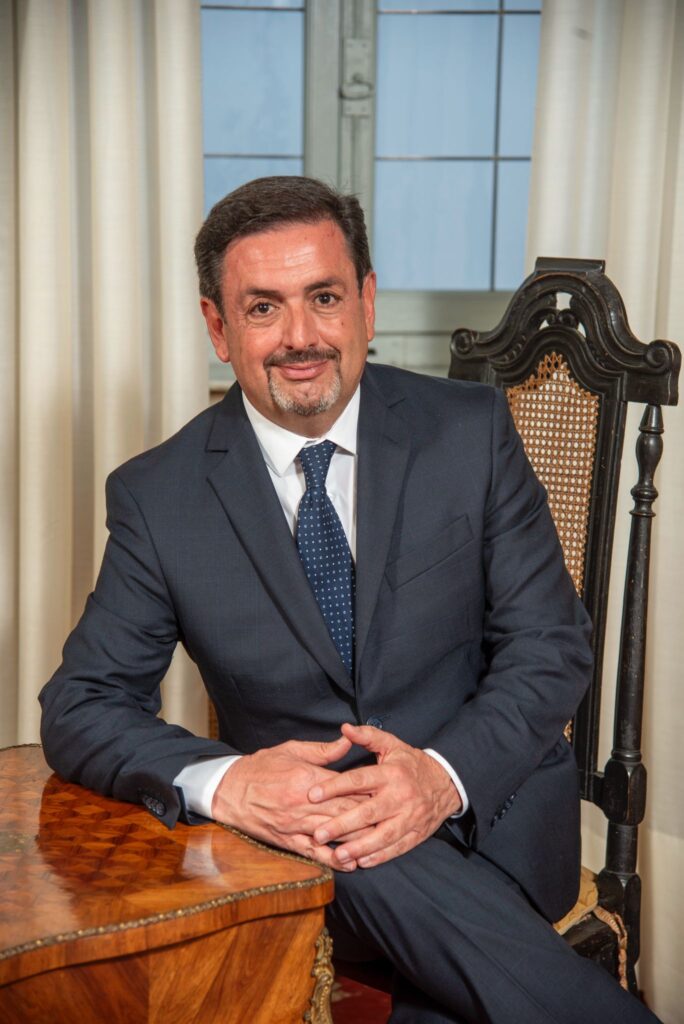
President Colaci, you argue that the payback system favors multinationals at the expense of Italian SMEs in the biomedical sector, risking the erosion of the “Made in Italy” healthcare industry. Can you explain concretely the effects of this system on local companies, prices for the NHS, and national know-how?
The legislator has created a system that acts as an artificial market selection mechanism. Imposing payback paves the way for a global oligopoly. Multinationals have the financial strength to absorb the impact, while our SMEs—deeply rooted in local territories—are pushed toward bankruptcy or acquisition. This design impoverishes Italy: fewer local companies mean less competition, higher prices for the National Health Service, and the loss of unique know-how. It is a direct attack on the Made in Italy of healthcare, handing our system over to a few foreign giants. The government’s solution does not help the sector—it is simply selling it off to those with shoulders broad enough to survive a state-imposed injustice.
Dr. de Lucia, what is the final message you would like to send?
The time for waiting is over. Concrete, decisive action is needed, not new promises for a future we may never see. Acting now means saving companies, protecting jobs, and ensuring continuity for the National Health Service. Delaying further means taking political responsibility for damage that is now entirely foreseeable.