




































by Roberta Imbimbo
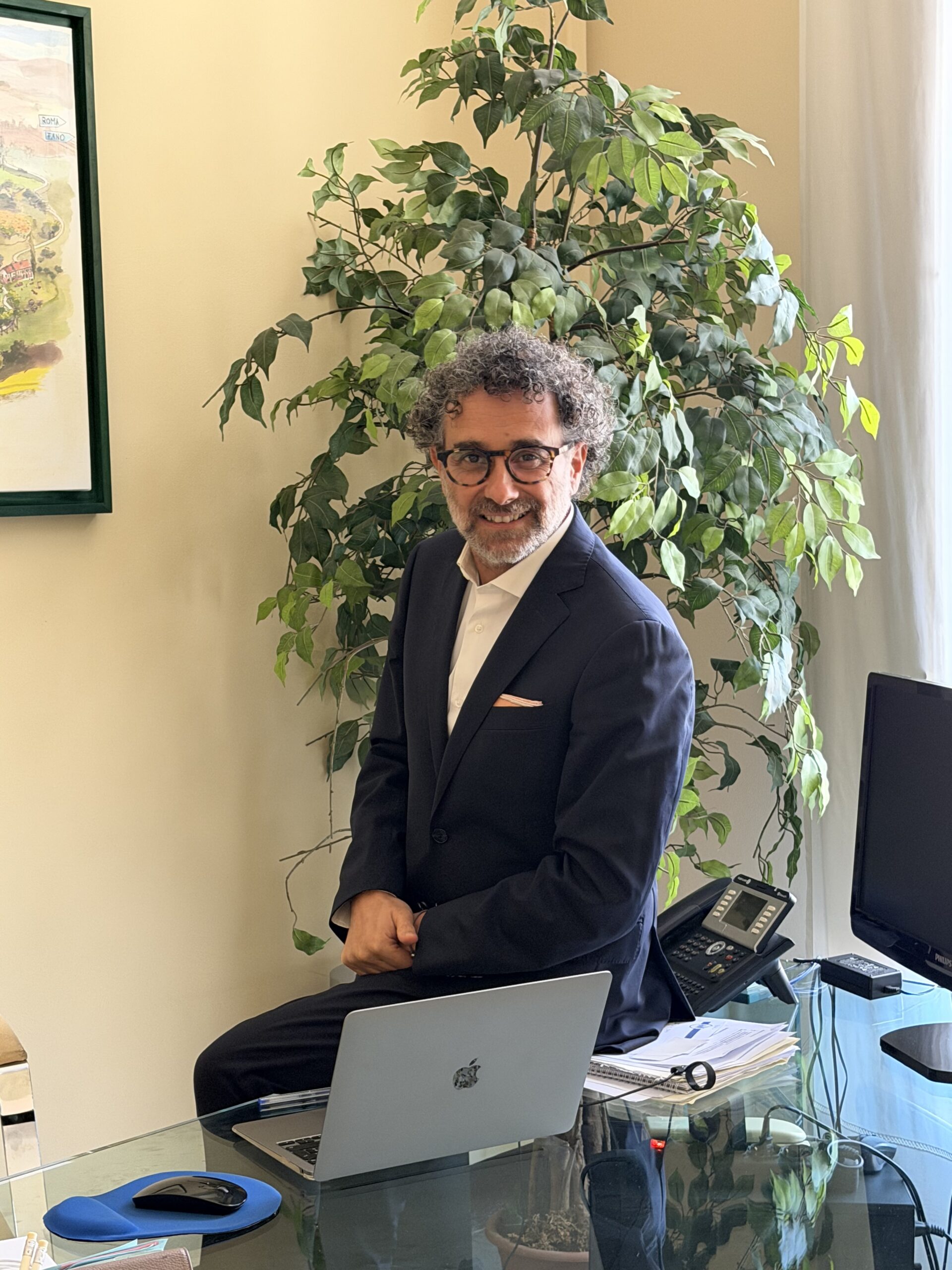
Dr. Ventura, in a context marked by crises and complexity, what are the fundamentals a company must focus on to remain competitive?
The context has changed radically. Today, to stay competitive in an ever-evolving market, companies must constantly work along two main directions. On the one hand, the continuous optimization of their organizational structure; on the other, the upskilling of people. These are not slogans, but necessary conditions.
What do you mean by “continuous organization”?
It means that organization can no longer be conceived as a static structure to be reviewed from time to time. It is an evolving organism that must respond in real time to changes in the environment. To do so, at least five dimensions must be actively managed: technology—now widely accessible but still poorly integrated into processes; connection to markets—an opportunity that requires prepared and aware structures; intergenerational dialogue, which is essential to leverage the different age groups within a company; the ability to move at the speed of change; and finally sustainability, not only environmental but also economic and financial.
And human capital, in all this?
It is even more central than before. In an advanced technological context, the real difference is made by people. Investing in upskilling is a strategic asset. But it requires method: you cannot hire or develop someone without first deeply understanding the internal context. Listening, analysis, and mapping are essential. Only in this way can an authentic connection be created between the individual and the organization.
How do SMEs respond to proposals for optimization and upskilling?
This is where we touch on the real core of our country’s competitiveness. Italy is made up of more than 90% small and medium-sized enterprises. Many entrepreneurs are aware of the critical issues, but they struggle to launch real transformation paths because they remain tied to a logic of immediacy. The problem is cultural: what’s needed is method, vision, and a new approach to change. Diagnosis alone is not enough—it is implementation where everything is at stake.
If you had to give just one piece of advice?
Create opportunities for qualified dialogue. Every company has its own identity, and sharing it with experienced consultants helps make informed and sustainable decisions. This is how dialogue turns into vision—and vision into competitiveness.
For more information: www.cmpconsulting.it