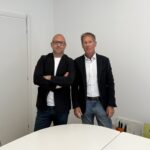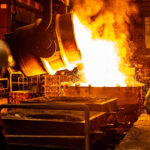
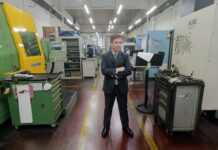

































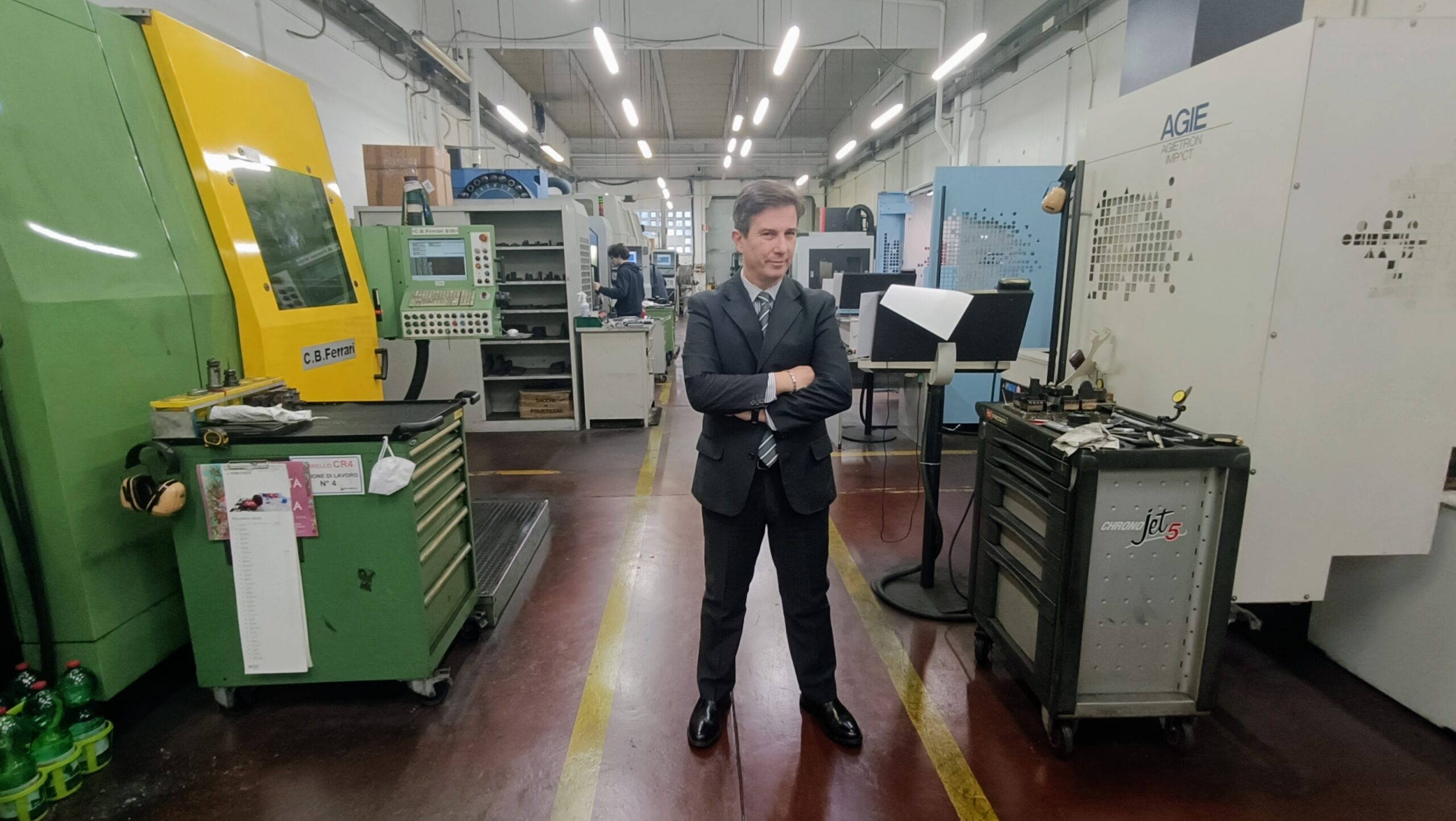
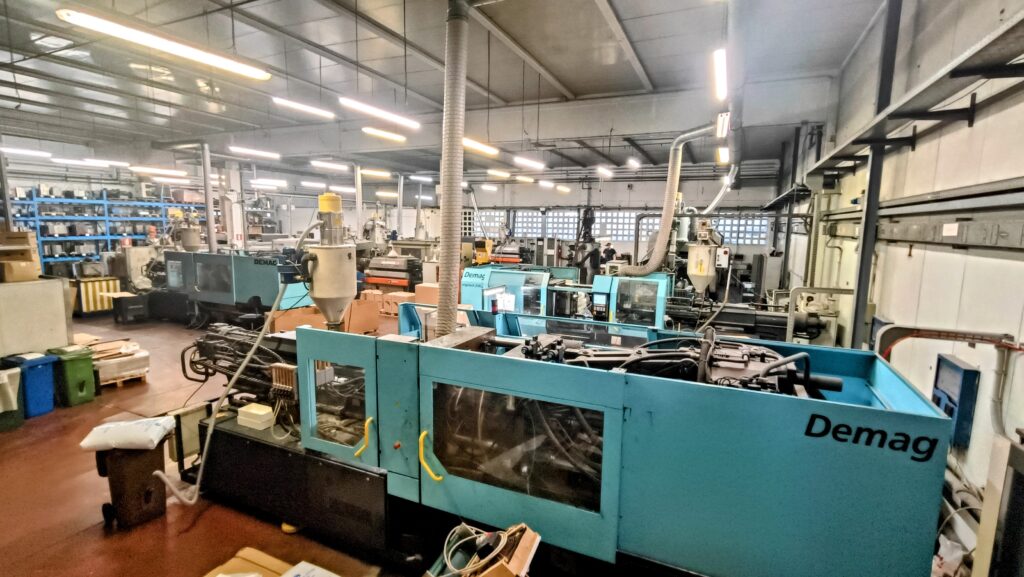
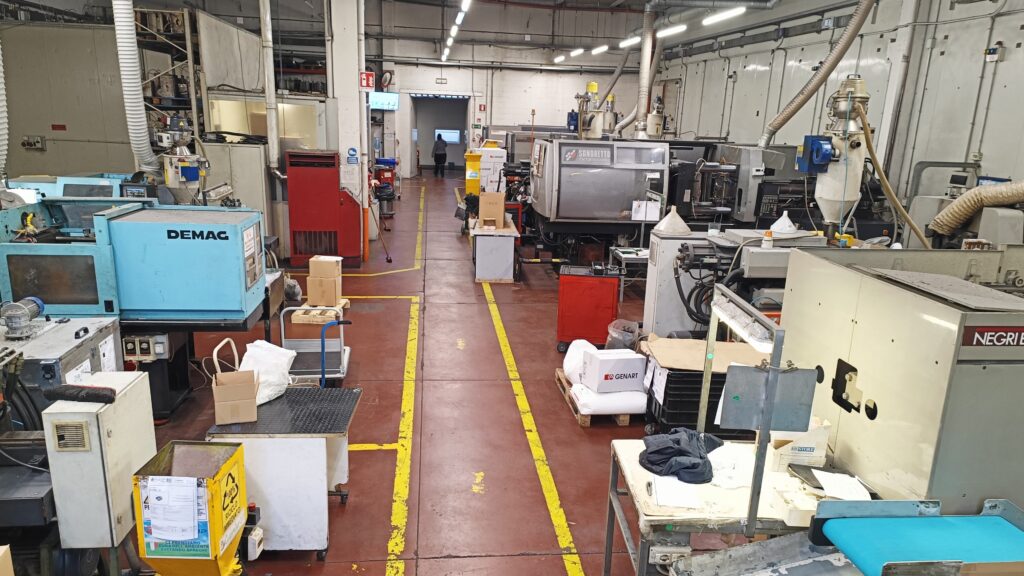
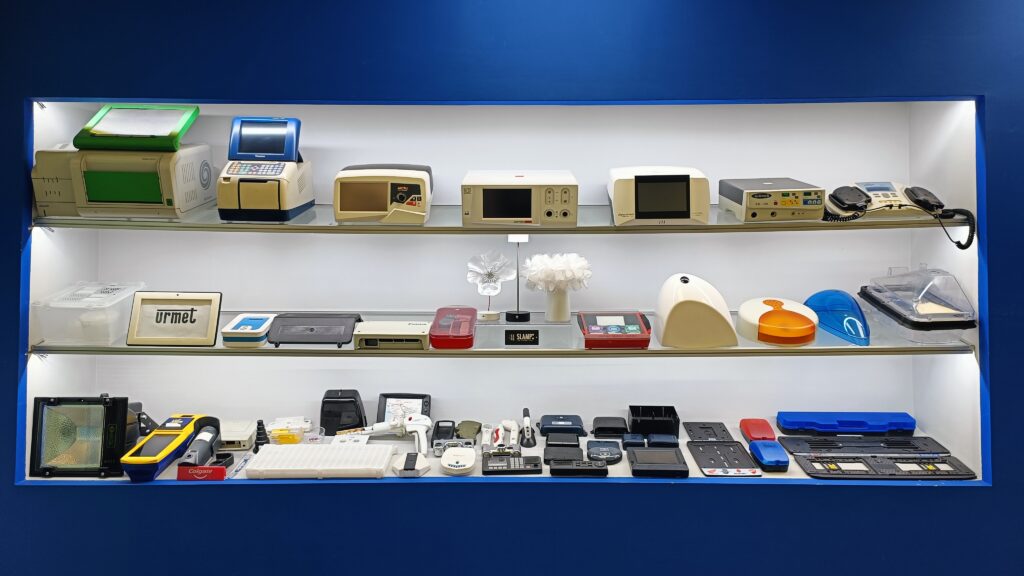
The strength of Italian manufacturing lies in its ability to transform craftsmanship into a structured enterprise. Dal Sasso DS-Group—an Italy-based company from Latina specializing in the construction of steel thermoplastic molds and the molding of plastic products—embodies this transition: from a highly specialized workshop to an industrial player within the national supply chain, thanks to shared processes, digitalization, and skilled human capital. In a sector where AI can optimize processes but cannot replicate the technical sensitivity required by complex production, the real challenge remains the transmission of know-how and the building of a modern entrepreneurial vision.
by Roberta Imbimbo
Marco Dal Sasso, your company has undergone a crucial transition: from craftsmen to industrial entrepreneurs. What does it really mean to make this leap?
Many Italian companies grow in size but remain artisanal in mindset. If knowledge stays in the hands of a few individuals, a company cannot scale or become structured. The real leap does not coincide with increasing headcount, but with the entrepreneur’s ability to delegate, create processes, and transform tacit knowledge into shared procedures. Only in this way can a company become truly industrial and no longer depend on a single individual. This is exactly what we, the three Dal Sasso brothers, have done: we converted personal expertise into a replicable organizational system capable of ensuring continuity and growth.
Why is this transition so crucial in manufacturing?
Italian manufacturing is driven by technical complexity, not by volumes. The craftsman is essential, but without evolution he risks limiting growth. An entrepreneurial mindset builds procedures, accountability, and autonomy. This creates an organization able to innovate, invest, engage with large industrial groups, and integrate into global supply chains. Our expansion—today supplying more than 100 customers across 40 sectors—was made possible only through this cultural evolution.
Many companies complain about the loss of historical skills. How strategic is the transfer of know-how?
It is fundamental and requires continuous training and constant mentoring. Manufacturing relies on a technical heritage that cannot be improvised. When a senior technician retires without passing on his knowledge, the company loses competitiveness. Senior professionals must become guardians of knowledge, guiding younger colleagues, while it is essential to select motivated collaborators ready to learn. We have codified skills through systematic documentation, internal training, hands-on mentoring, and the gradual transfer of responsibility. Only in this way can continuity, quality, and industrial solidity be ensured. A company that does not invest in human capital and knowledge transfer remains vulnerable, regardless of how advanced its machinery may be.
Artificial Intelligence is widely discussed today. What is its real impact on Italian manufacturing?
It requires a technical, not ideological, perspective. Italy is Europe’s second-largest manufacturing country, but production is based on small batches and high customization. Fully automated lines driven by AI or advanced robotics are not economically sustainable. In this context, AI does not replace humans: it supports them in data processing, time optimization, and risk prediction. However, it cannot replicate the technical and multidisciplinary sensitivity required to transform materials. Italy succeeds because it knows how to manufacture—not just how to use algorithms.
DS-Group has been using advanced technologies for years. How do digitalization and human capital coexist?
Twenty years ago we developed SGAI, an Advanced Intercompany Management System that monitors every stage of production, anticipating the concept of “Industry 4.0” before it became an industrial paradigm. Today, AI improves efficiency, but the true value lies in our employees’ ability to interpret data, contextualize it, and make the right technical decisions. Software does not replace an experienced worker; it simply amplifies their capabilities and responsiveness. The true strength of Italian manufacturing remains human intelligence.
In summary, what message do you want to send to the industrial world?
Balance is essential. AI is an extraordinary tool, but humans are the true engine of manufacturing. The challenge is not to replace human labor, but to make it more effective. Companies must invest in cultural evolution: moving from artisanal management to an entrepreneurial approach, delegating, training, and transferring skills. Only in this way can a company like ours grow, innovate, and remain competitive, keeping Italian know-how at the heart of the national manufacturing supply chain.
Sito WEB = https://www.dalsasso.it/
Canale YouTube = https://www.youtube.com/channel/UCjKHKQoTWXzAQU_c6SGLzyQ
Email = dalsasso@dalsasso.it
Tel. 06 9256255