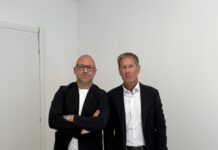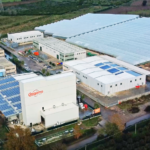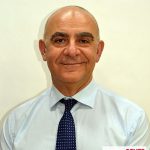

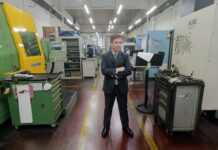




































Founded in 2009 in Fabriano, in the province of Ancona, GB Services is now a well-established company in the marketing of industrial packaging, with a specialisation in wooden pallets, which represent the company’s core business. In just over fifteen years, the firm has built a client portfolio made up mainly of multinationals and medium-to-large companies, operating across the whole of Italy and in the main European markets, including Spain, France, Belgium and Germany. Gabriel Kaci, General Manager of this excellence, recounts the company’s journey and future prospects, emphasising how recent growth is the result of a strategy based on consistency, vision and execution capability.
by Roberta Imbimbo
Mr Kaci, GB Services was founded in 2009 in Fabriano, in the province of Ancona. What is the company’s current positioning in the industrial packaging market?
Today GB Services positions itself as a specialised operator in the marketing of industrial packaging, with a strategic focus on wooden pallets, which form our core business. Our positioning is mainly aimed at the multinational and medium-to-large enterprise segment, to which we provide standardised and continuous solutions across the entire logistics supply chain. We operate nationally and in several European markets, particularly in Spain, France, Belgium and Germany, with the aim of consolidating a stable and structured presence in the main industrial contexts of reference.
Your business model is strongly linked to imports. Could you describe it in more detail?
Our model is based on sourcing from Eastern European and Northern European countries, particularly Romania, Poland, Latvia and Lithuania. These are areas where there is significant availability of raw material—wood—and more competitive labour costs. We purchase from these markets and market the products to our clients, ensuring consistent quality standards and continuity of supply.
How competitive is the wooden industrial packaging market today?
It is an extremely competitive market, characterised by strong price pressure and increasingly tight margins. To remain competitive, it is essential to focus on supply chain efficiency, supplier selection, and the ability to respond quickly and reliably to a wide range of customer needs.
What are the main operational challenges you face on a daily basis?
The main challenges concern managing supply flows, the volatility of raw material costs, and the need to ensure continuity and quality of service in a highly dynamic market environment. Added to this is the complexity of managing foreign markets, which requires specific expertise and a solid organisational structure.
How do you see the sector evolving in the medium term?
Making forecasts today is complex. The sector has gone through a period of slowdown and uncertainty, and we hope that the near future will be characterised by greater stability. In any case, we believe that companies will need to become increasingly structured, efficient and oriented towards strategic supply chain management.
Let’s talk about internal organisation: how many employees do you have today and what role does human capital play in your strategy?
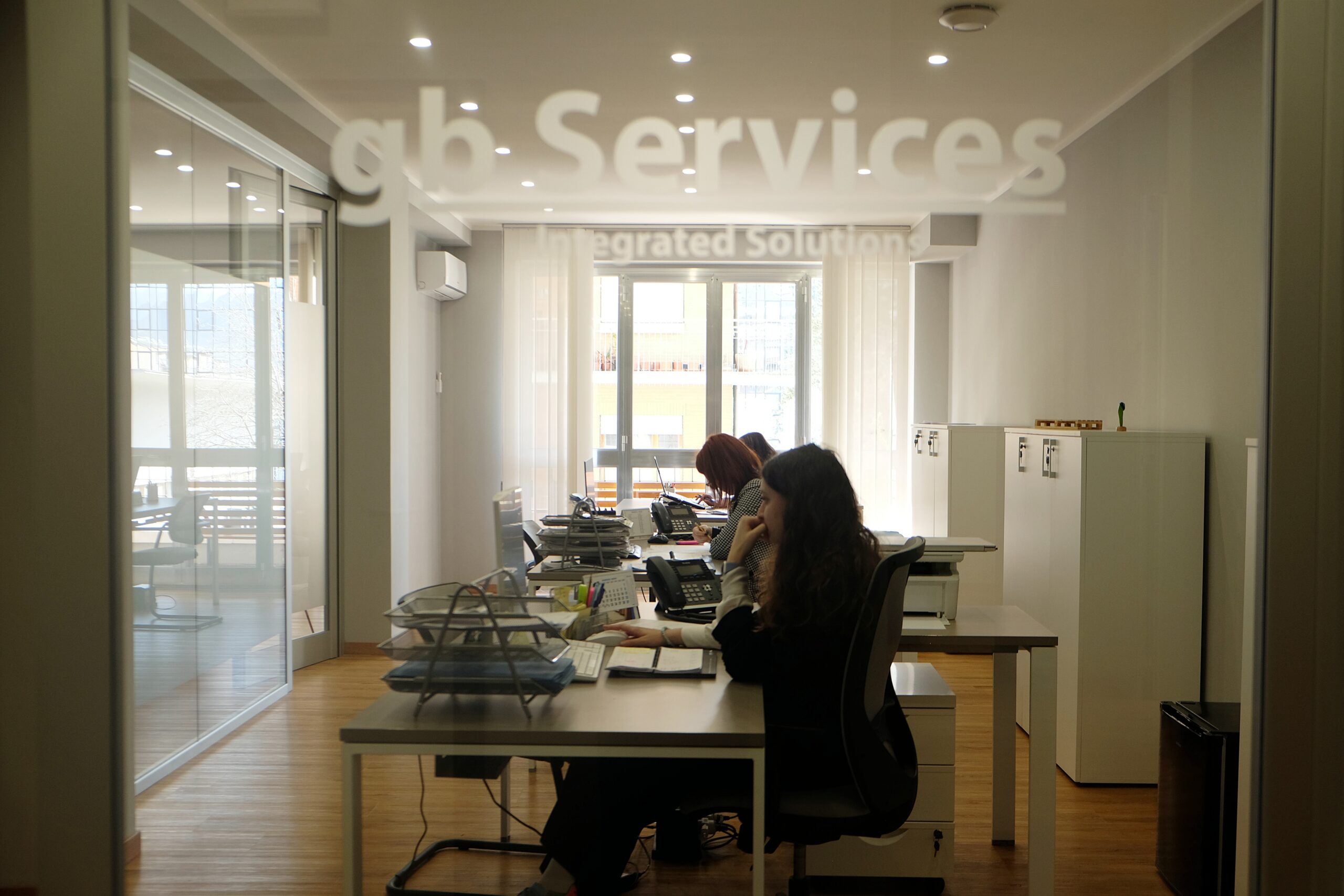
The company currently has seven employees. For us, human capital represents a strategic asset. We invest in training and skills development because we believe that people are the real differentiating factor, especially in a highly competitive market like ours.
What kind of corporate culture have you built over time?
We have developed a culture based on collaboration and a strong sense of belonging. Although we operate in an industrial and commercial context, we maintain a strong focus on human relationships and employee empowerment. This has enabled us to grow cohesively in recent years.
Over the last 4–5 years, GB Services has recorded particularly significant growth. What do you attribute this to?
The results we have achieved are the outcome of work built over time, based on a clear and coherent strategy and strong discipline in operational execution. We have focused on perseverance, consistency and the ability to adapt quickly to market dynamics, without chasing shortcuts. Growth has never been forced, but planned and developed step by step, with the aim of consolidating each milestone before tackling the next. It is this approach that has enabled us to strengthen the company and make it more solid and structured in the medium to long term.
What message would you like to leave to younger generations who want to pursue an entrepreneurial path?
I believe the most important message is that perseverance truly makes the difference. Results do not come overnight and there are no lasting shortcuts: consistency, sacrifice and the ability to keep believing in your project—even in the most challenging moments—are essential. By working with seriousness, vision and determination, it is possible over time to build something solid and lasting.
What are your strategic objectives for the future?
Our goal is to continue our growth path in a sustainable and structured way. We want to further consolidate our market position without compromising the organisational and financial solidity achieved in recent years. The priority is balanced growth, based on solid industrial and commercial foundations.