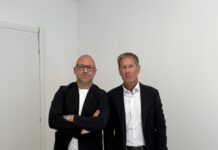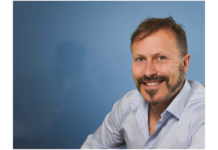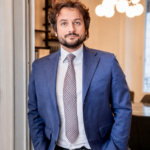
































For 25 years, ECO-RIGEN has operated in a complex and strategic sector such as industrial catalysts, offering advanced services in regeneration, sulphiding, and metal recovery for refineries and chemical hubs. Integrated into the Eni site in Gela and strengthened by a structured collaboration with Eurecat, a global leader in the field, the company has developed an industrial model that reduces environmental impact, increases client efficiency, and creates value through advanced technological solutions. We spoke with CEO Marco Cannarella.
By Roberta Imbimbo
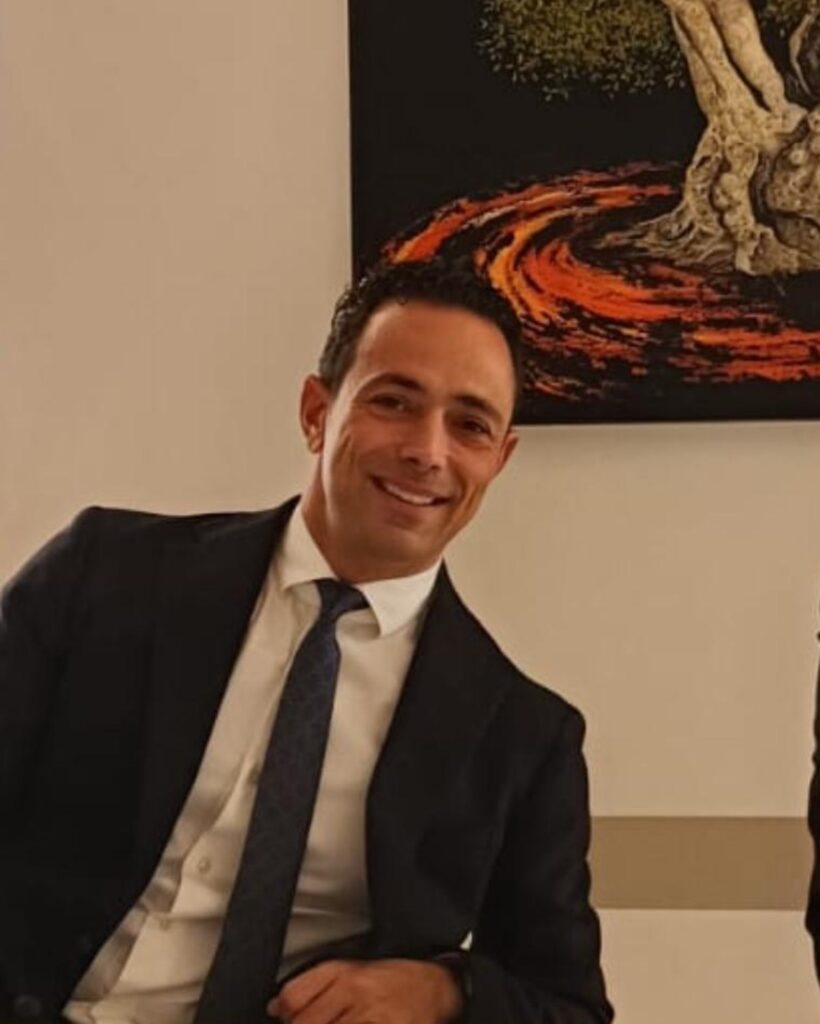
Mr. Cannarella, ECO-RIGEN has been active for 25 years. How would you describe the company’s identity and mission today?
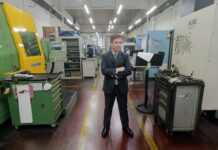
We are an Italian company specialized in the regeneration and sulphiding of industrial catalysts—essential devices for all process units, from cracking to reforming, from hydrotreating to desulfurization. Our core business is to provide refineries with a recovered product that delivers performance equivalent to new catalysts, but with significantly lower economic and environmental impact. Today we operate for refineries and large chemical sites both in Italy and abroad, supporting continuous production cycles 24/7. Our expertise has been built through consolidated processes, rigorous operational standards, and a stable presence within one of the most advanced energy hubs in the country.
At a time when decarbonization is the main focus, your sector might seem countercurrent. Is that really the case?
In reality, no. We are fully aligned with sustainability principles. We take spent catalysts—solid metal-based materials containing valuable elements—and recover them, preventing their disposal in landfills. This process avoids the extraction of new resources, drastically reduces waste, and creates a virtuous cycle that allows refineries and steel industries to reuse regenerated products instead of purchasing new ones. It is a concrete example of circular economy applied to a high energy–intensive sector, where efficiency and waste reduction have immediate and measurable impacts on emissions and raw material consumption.
How important is environmental sustainability for you?
It is fundamental; it is part of our industrial DNA. Our activities reduce the environmental impact of refineries through: lower production of hazardous waste; recovery of strategic metals; reduction of indirect emissions linked to the production of new catalysts; and extension of material life cycles. Our corporate approach is fully aligned with European resource-efficiency policies and the “waste-to-resource” principle, which in complex industrial sectors is a decisive lever for the energy transition.
Technological innovation: how does ECO-RIGEN integrate new technologies into its processes?
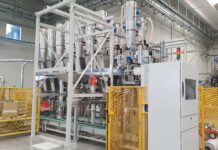
We have always been focused on adopting the best technologies available on the market—both to reduce atmospheric emissions and to expand our operational scope. A key example is our project dedicated to the regeneration of waste vegetable oils, for which we have obtained regional authorization (PAUR). We can process up to 400,000 tons per year using cutting-edge technologies such as three-phase centrifugation and advanced filtration systems. Once treated, these oils become qualified feedstock for biorefineries. In this way, we directly contribute to the production of advanced biofuels, a segment set to grow in the decarbonization of the transport sector.
Does operating within the industrial refinery in Gela represent a competitive advantage?
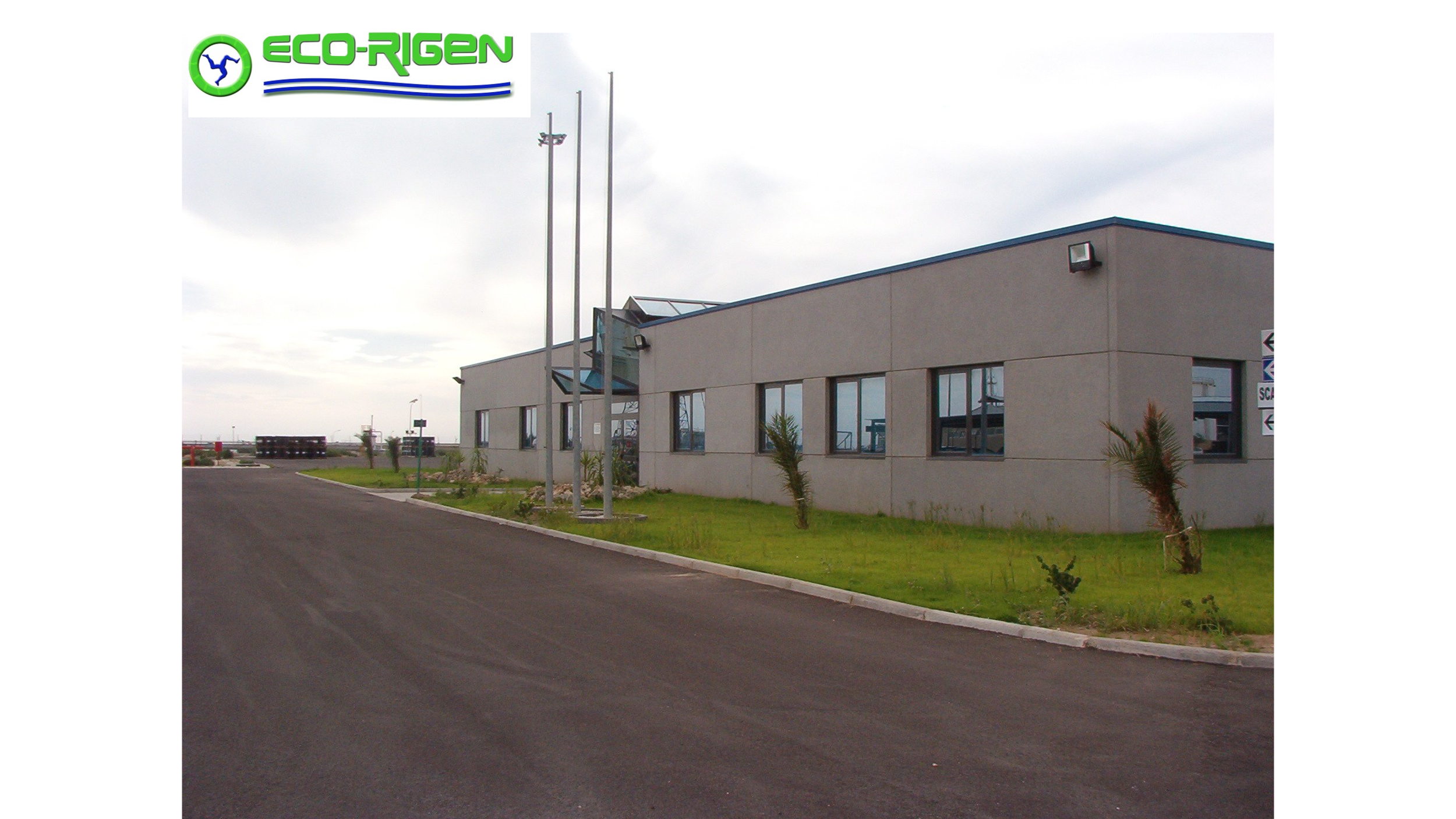
Absolutely. Being integrated into the Eni industrial site means working in a high-tech ecosystem with excellent infrastructure and extremely high safety standards. We reduce time, logistics costs, and operational complexity. This synergy optimizes processes, increases efficiency, and allows clients to rely on a partner fully integrated into the industrial supply chain.
What is the role of your collaboration with Eurecat?
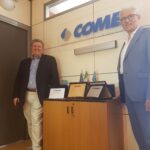
It is essential. Eurecat is our parent company, a French multinational and global leader in the sector. It is 30% owned by an Italian company, which further strengthens its connection with our country. Thanks to this partnership, we are present worldwide and in all major Italian refineries. It provides us with know-how, technologies, and a global network of expertise. Eurecat is a strategic support both in terms of research and development and access to patented solutions, as well as a direct bridge to international best practices in the catalyst sector.
How important is human capital for ECO-RIGEN?
It is a central asset. Today, including direct and indirect employees, we have a workforce of over 300 people. Our activities require a high level of specialization, responsibility, and constant attention to quality. Continuous training is essential, as we operate in complex industrial environments where precision and safety are non-negotiable. Human capital is the key driver that allows us to guarantee high standards and operational continuity for our clients.
What are the company’s future goals?
To continue growing in the sectors where we are already active, consolidating our leadership in catalyst regeneration. At the same time, we aim to further develop the waste oil supply chain, which will become increasingly important within biorefineries and sustainable fuels. Our goal is to contribute—with expertise and innovation—to the energy transition while maintaining strong industrial roots. Regenerating what is currently considered waste means building a more responsible, efficient, and sustainable industry for the future.