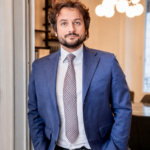

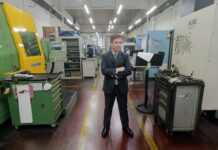



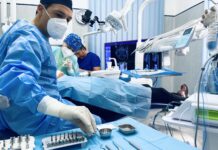



































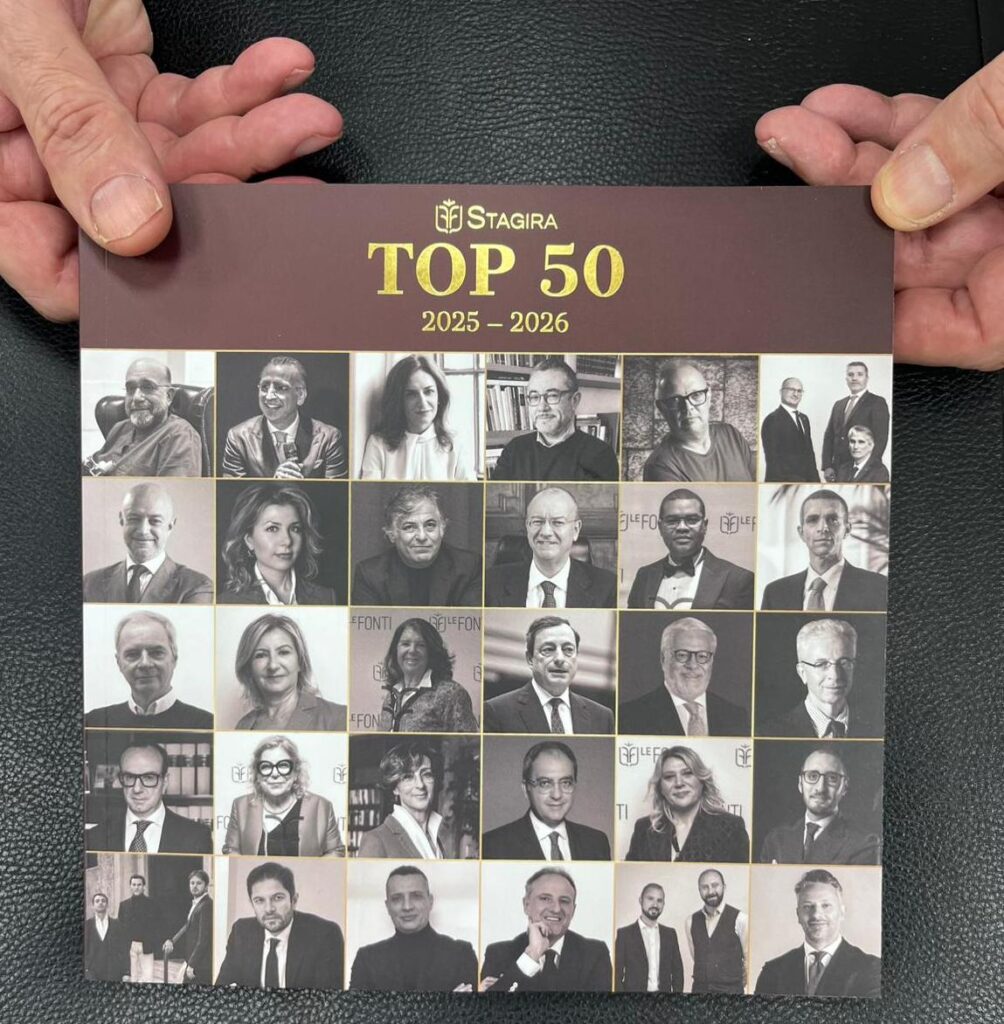
Being named among the TOP 50 Healthcare Innovators 2025–2026 means joining a select group of professionals shaping the future of global healthcare. Among the individuals recognized by New Pharma is Dr. Marco Cosimi, a Rome-based surgeon with more than forty years of clinical experience, honored for pioneering the application of regenerative medicine to proctology and for his achievements in the treatment of recurrent pelvic floor disorders.
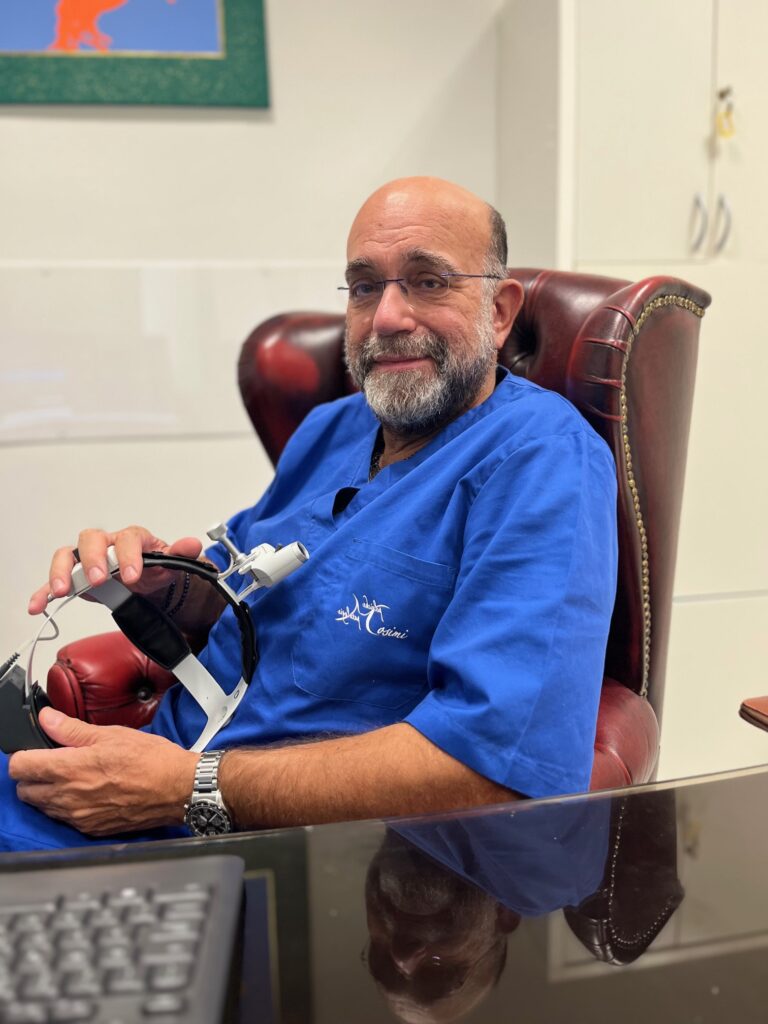
Dr. Cosimi, what does being recognized as one of the TOP 50 Healthcare Innovators 2025–2026 mean to you?
It is an award that I consider particularly meaningful because it comes from an international panel composed of healthcare professionals, executives, and institutional leaders. It confirms that the path we have pursued over the past several years in regenerative medicine applied to proctology is attracting significant attention well beyond Italy’s borders.
Which proctological conditions remain the most challenging to treat today, and why do they so often recur?
The most complex cases involve anal fistulas, chronic anal fissures, and recurrent rectal prolapse. These conditions may reappear even after technically successful surgery because, while surgery corrects the anatomical defect, it does not always restore the biological integrity and regenerative capacity of the affected tissues.
How does regenerative medicine change this therapeutic approach?
The goal is to stimulate the body’s intrinsic healing mechanisms by harnessing its own biological resources. We employ autologous mesenchymal stem cells, growth factors, platelet-rich plasma (PRP), exosomes, and microRNAs derived from the patient’s own tissues to promote tissue repair and regeneration.
Among your innovations is the TRAP-H technique. Could you explain what it is?
TRAP-H is a proprietary technique registered in 2019 and specifically developed for the secondary treatment of recurrent rectal and multi-organ prolapse following previous surgical procedures. It was conceived to overcome some of the limitations of conventional surgery while enhancing the biological regeneration of the affected tissues.
What role do exosomes and microRNAs play in this process?
Exosomes are microscopic extracellular vesicles released by cells that carry highly valuable biological information. They contain microRNAs—small regulatory molecules capable of modulating numerous genes involved in inflammation, tissue repair, and cellular regeneration. Today, they represent one of the most promising frontiers in international biomedical research.
How is the regenerative treatment prepared?
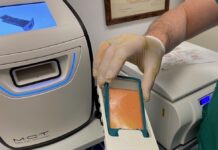
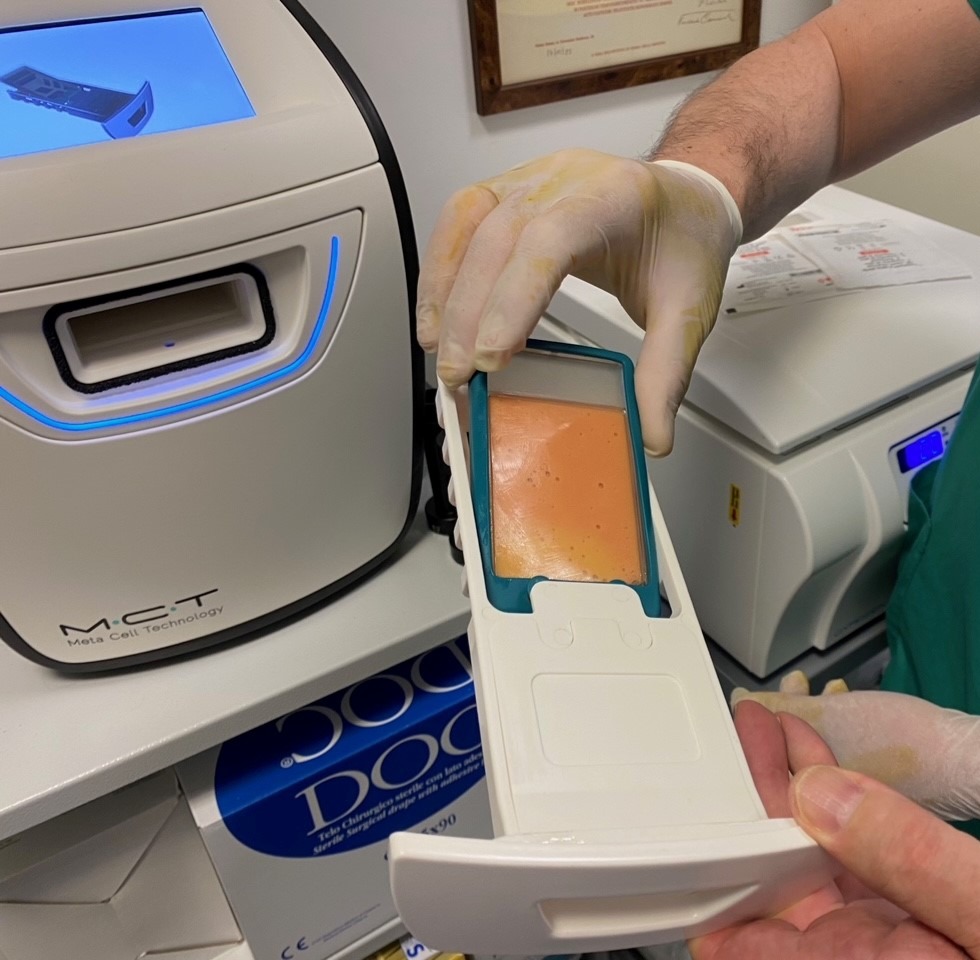
The procedure begins with a simple collection of autologous blood and, when clinically indicated, adipose tissue. These biological materials are processed under sterile laboratory conditions using dedicated activation and concentration protocols to obtain highly regenerative biological preparations.
What do you see as the future of proctology?
I believe the future lies in an increasingly integrated model combining advanced surgery with regenerative medicine. The objective is to progressively reduce the invasiveness of treatment, minimize the risk of recurrence, and offer new therapeutic opportunities to patients who have not achieved lasting results through conventional approaches.