









































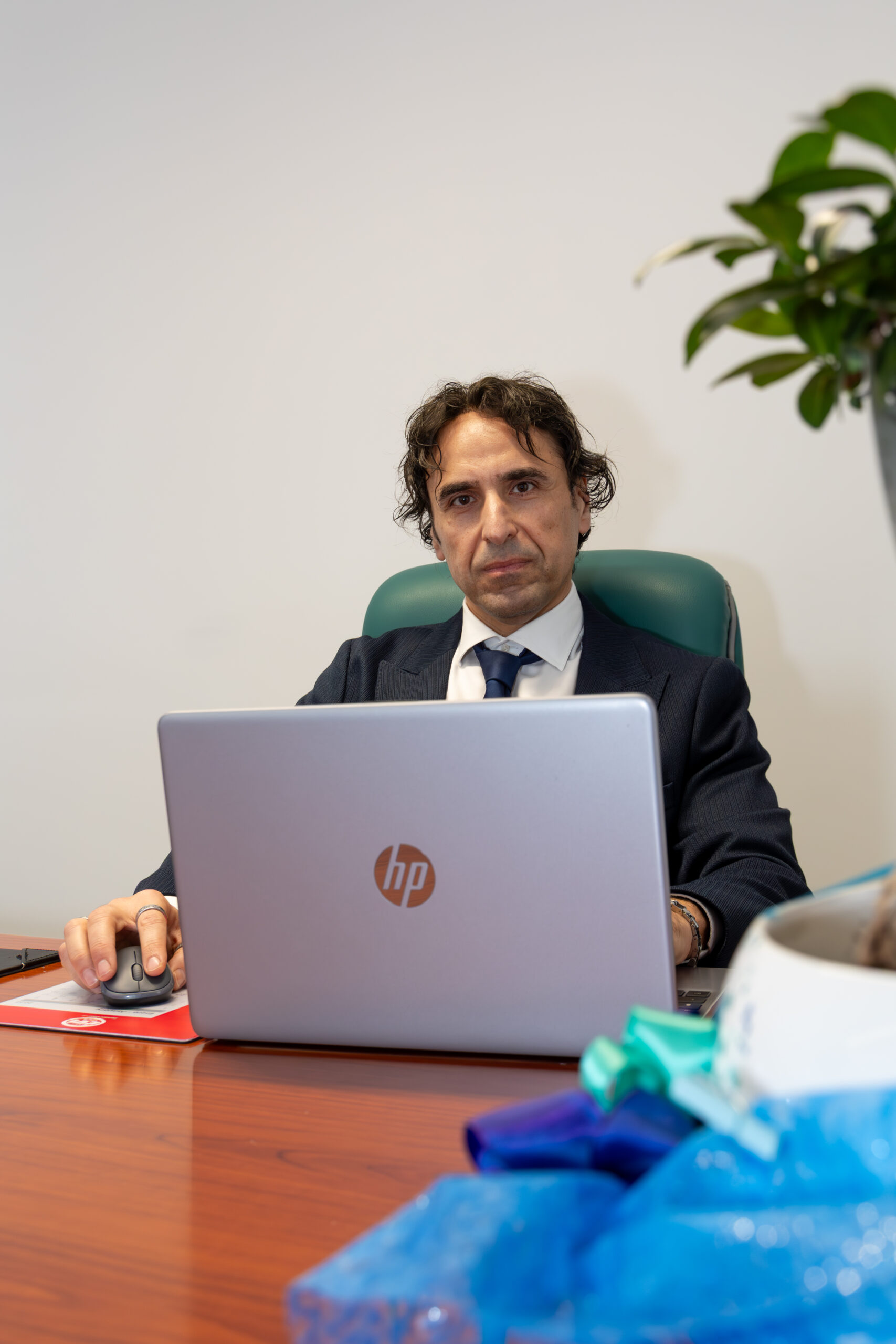
For years, certifications were widely regarded as little more than a mandatory requirement. Today, however, they are undergoing a profound transformation—and are set to become one of the most decisive factors in global competition. This turning point has a specific date and a name: 1 January 2026, when the Global Accreditation Cooperation Incorporated (GACI) officially became operational. The new organization brings together the work historically carried out by the International Accreditation Forum (IAF) and the International Laboratory Accreditation Cooperation (ILAC), with the aim of creating a more consistent and globally recognizable accreditation system. In practical terms, this means fewer differences between countries, greater harmonization, and—above all—a fundamental principle: succeeding in international markets will no longer depend solely on being competitive. Companies will also have to prove it through internationally recognized standards. To better understand what is really changing, we spoke with Manolo Valori, Technical Director of CVI Italia.
By Roberta Imbimbo
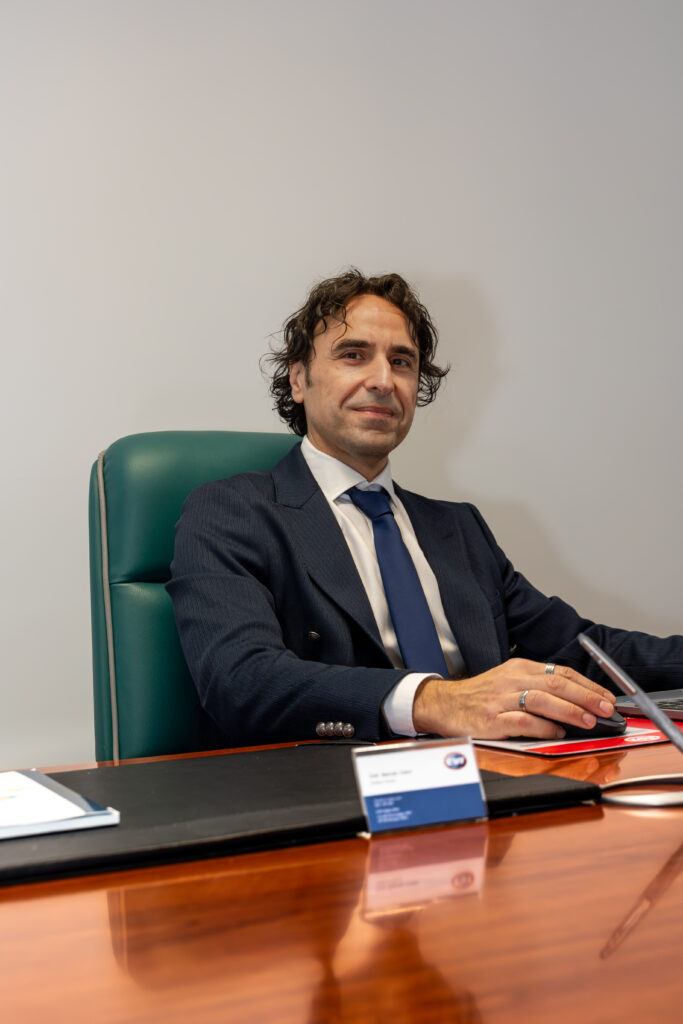
Mr. Valori, does the creation of GACI truly represent a turning point in the global certification system?
Absolutely. This is not merely a formal reorganization but a structural transformation. GACI was created through the merger of IAF and ILAC, two organizations that operated independently for decades. This marks a move toward a far more coherent international system, where technical confidence can genuinely be transferred across national borders. It is a landmark change because it reduces the historical fragmentation of accreditation while strengthening the concept of a single global language for conformity assessment. For businesses, this translates into simpler import and export procedures and greater comparability of performance across international markets.
How is the role of certification evolving within companies?
It is changing profoundly. In the past, certification was often regarded as a technical compliance exercise, managed by specialized departments and largely disconnected from strategic decision-making. Today, it has become an integral part of corporate governance. Certification is no longer limited to demonstrating process compliance; it now measures an organization’s real ability to manage risk, complexity and change. In this sense, it has become a genuine infrastructure of trust. This has direct implications for the marketplace, as customers, partners and institutions increasingly select suppliers that can demonstrate high standards through verifiable and internationally comparable evidence.
Which standards are currently undergoing the most significant transformation?
Several of the major ISO standards are being revised almost simultaneously. ISO 37001 (Anti-Bribery Management Systems) was updated in 2025, broadening the concept of organizational integrity. ISO 14001:2026 further strengthens sustainability as a strategic business priority. ISO 9001 is scheduled for revision in September 2026, with a greater emphasis on more dynamic management models. ISO 45001 is also under review, with a new edition expected in 2027. This wave of regulatory evolution reflects a rapidly changing market in which developments at the highest level quickly cascade throughout entire supply chains.
Beyond the standards themselves, what is really changing?
The key point is that it is not only the standards that are changing, but the world they are designed to govern. Markets have become more volatile, risks more interconnected, regulatory pressure more intense, and corporate reputations more vulnerable. In this environment, certification can no longer be limited to documenting well-organized processes. It must demonstrate an organization’s real ability to manage complexity, prevent critical issues, uphold integrity and adapt effectively to change.
What should companies do today to prepare for this evolution?
They need to adopt a new mindset and recognize that trust is now a competitive asset. Quality, environmental responsibility, occupational health and safety, and organizational integrity must all become integral to everyday decision-making. Only then can certification evolve from being perceived as a cost into a true strategic investment. In an increasingly complex global landscape, measurable trust has become the ultimate indicator of credibility, resilience and long-term competitiveness.