












































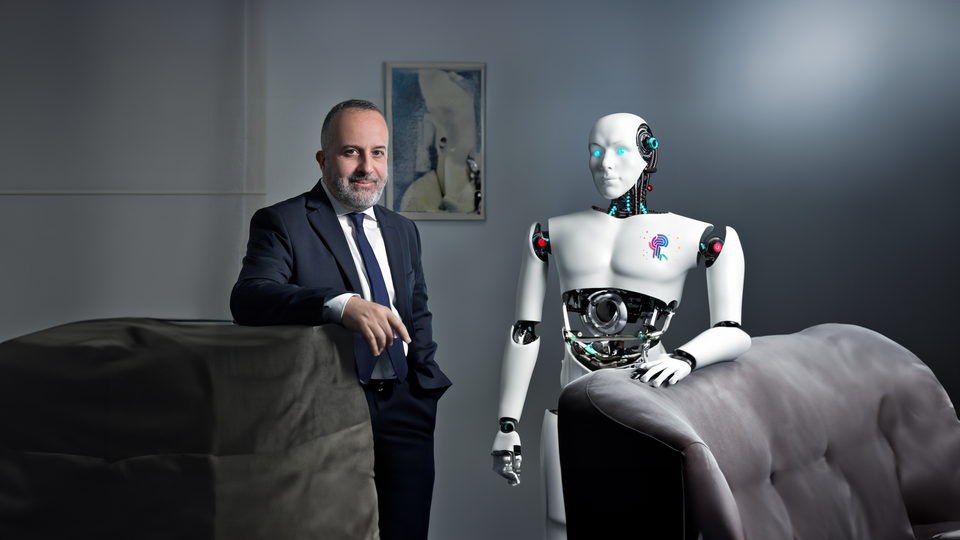
Artificial Intelligence is profoundly transforming the business world, reshaping production models and decision-making processes. Yet alongside its opportunities come critical questions regarding ethics, security, and responsibility. We discuss these issues with Riccardo Petricca, CEO of AI &volutions, university professor, and a nationally recognized authority in information engineering, who also serves in various institutional roles.
By Roberta Imbimbo
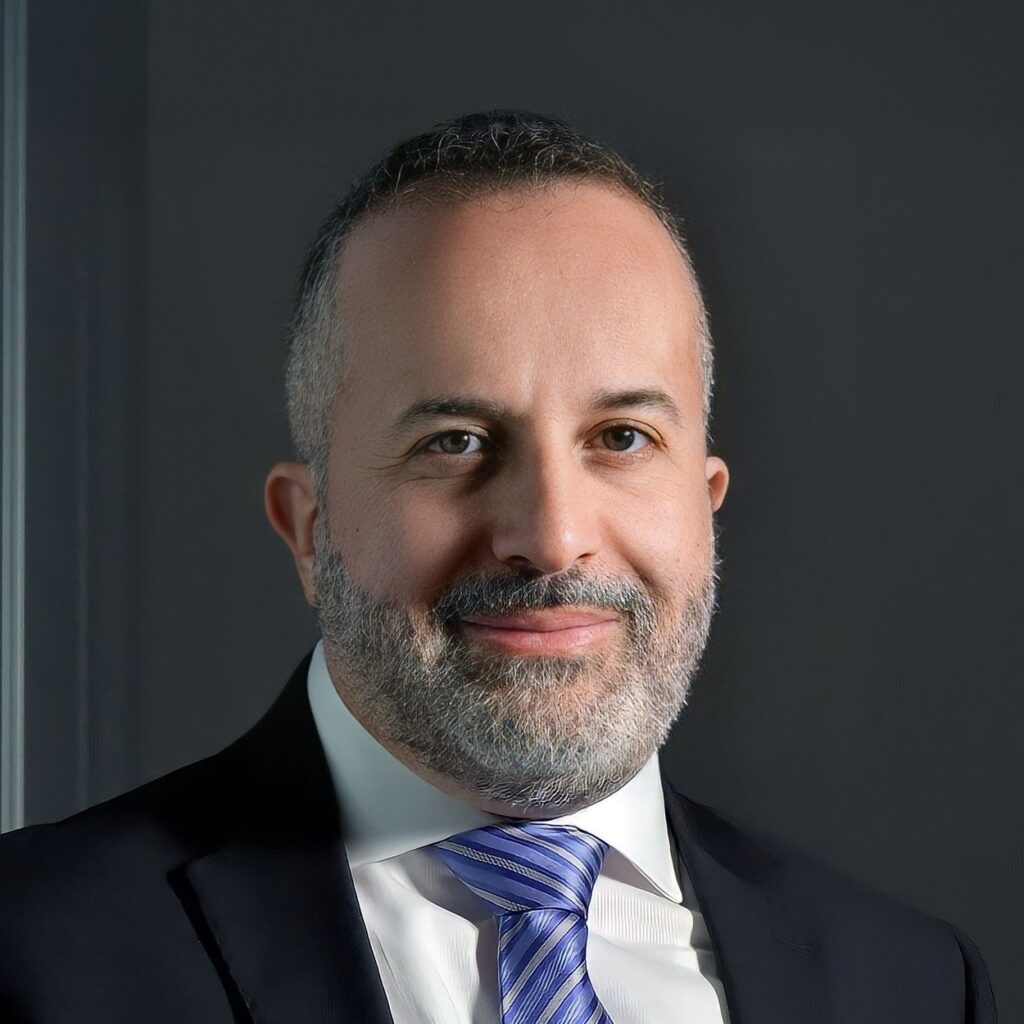
Professor Petricca, what does it mean today to talk about the ethical sustainability of Artificial Intelligence in businesses?
It means understanding that AI is not merely a technology, but a tool with tangible impacts on people, decisions, and society. Ethical use implies transparency, fairness in data management, and awareness of the consequences of automated decisions. Companies should adopt AI not only to become more efficient but also to become more responsible.
What are the main risks of using AI without adequate awareness?
The risks are numerous: algorithmic bias, privacy violations, and uncontrolled automated decision-making. AI is not infallible; without human and ethical oversight, it can amplify errors and inequalities.
How important is it to rely on experienced professionals in this field?
It is essential. AI is not a “plug-and-play” solution. It requires not only technical expertise but also regulatory and ethical knowledge. AI &volution was founded to guide Italian and international companies through the new digital frontiers—from Artificial Intelligence and cybersecurity to Industry 5.0—through an approach that integrates innovation with ethical responsibility. Relying on experts means avoiding strategic mistakes and building long-term competitive value.
You are also a university lecturer and trainer. How important is education in this context?
Education is the real key. It is not enough to introduce AI tools; people must be trained to use them correctly. I teach university courses, lead corporate reskilling programs, and conduct seminars in schools precisely to promote a culture of responsible digital awareness. Programmers, in particular, must evolve: they should become not only developers but also true ethical trainers of AI systems.
What is the connection between Artificial Intelligence and cybersecurity?
The connection is inseparable. AI relies on data, and data must be protected. There can be no ethical AI without cybersecurity. Data is the core of artificial intelligence: protecting it means protecting people, businesses, and decisions. Without security, innovation becomes a risk. Consider the use of unsecured cloud services or the improper management of information—these represent enormous vulnerabilities. Cybersecurity therefore becomes not only a technical responsibility but also a moral one.
What are the main challenges companies face today?
Companies must find the right balance between innovation and control. They need to invest in skills, select qualified partners, and integrate ethics and security into their decision-making processes. Only then can AI become a true competitive advantage.
Looking ahead, what distinguishes an innovative company from one that is truly sustainable?
The ability to put people at the center. Technology must serve humanity, not the other way around. The future is not only technological but also human: AI will make a real difference only if it is guided by responsibility, expertise, and an ethical vision.