










































As the 2026 Budget continues to move in fits and starts on research, innovation, and incentives, many small and medium-sized enterprises find themselves in an uncomfortable middle ground. Tax credits are uncertain, rates are being reduced, and rules change frequently. The result is always the same: projects are postponed, investments are cut, and innovation becomes a risk rather than an opportunity. In this climate, innovation ends up being perceived as a leap into the unknown.
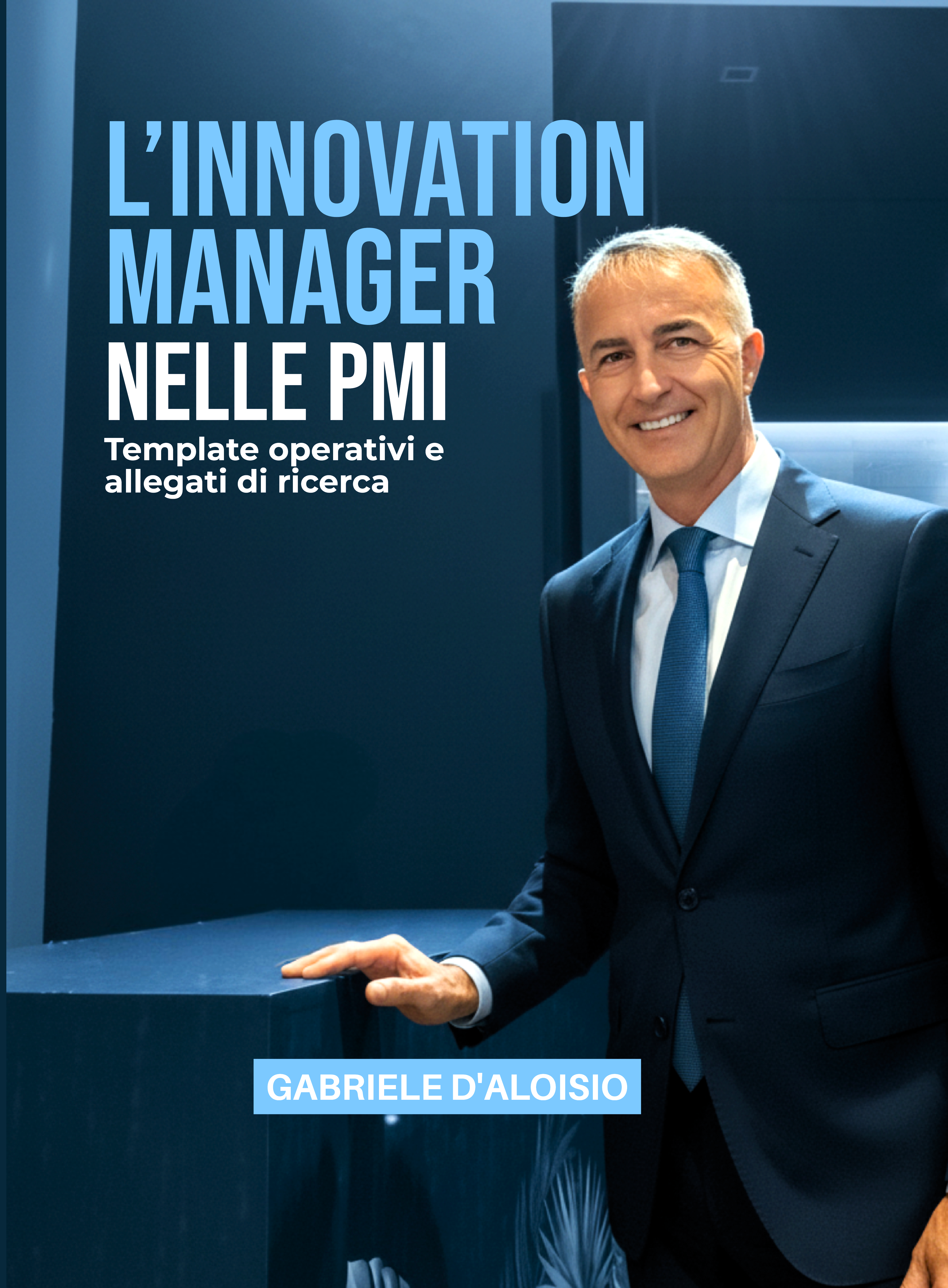
This is precisely the starting point of Gabriele D’Aloisio’s new book, The Innovation Manager in SMEs. It is not a theoretical treatise, but a practical guide designed for those who must decide every day where to allocate time and money. The core idea is simple: stop chasing big “all-or-nothing” projects and learn to work through small, fast, and measurable experiments. Fewer bets, more method.
“Innovation is not a stroke of genius,” explains D’Aloisio. “It’s a process that needs to be built.”
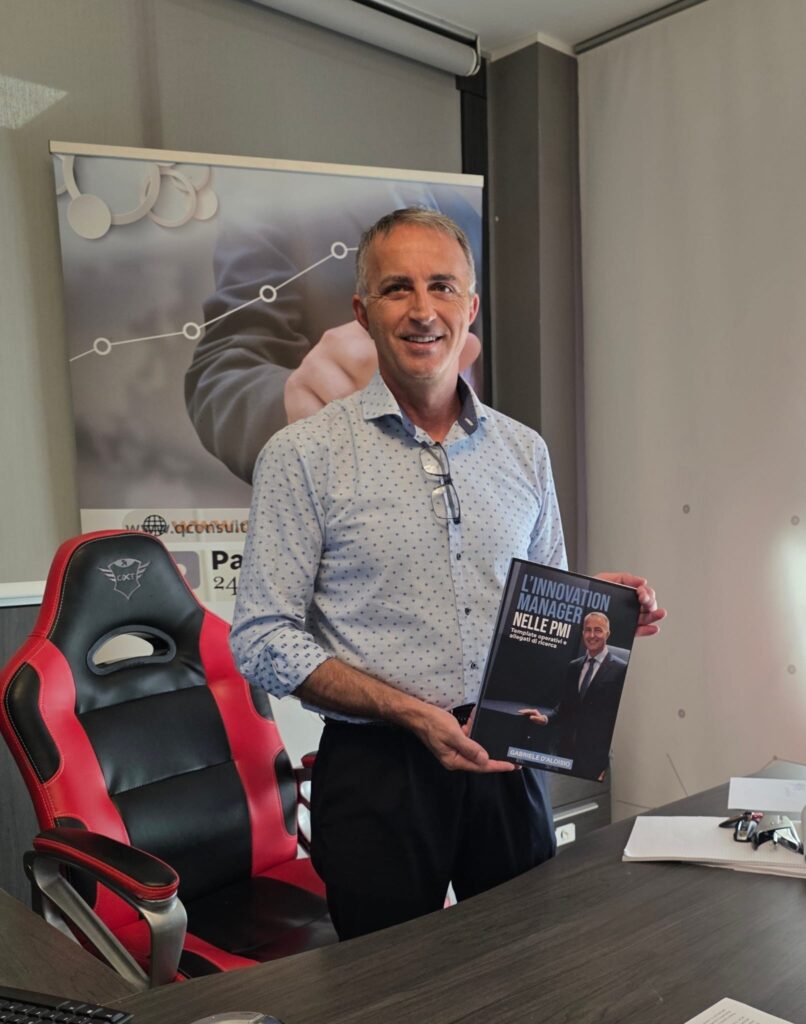
Dr. D’Aloisio, in the book you speak of “a robust architecture that turns ideas into strategic decisions.” What does this mean, concretely, for an SME?
It means stopping the practice of treating innovation as something occasional. Many companies have good insights, but then they stop there. There is no plan, no timeline, nothing is measured. And without measurements, you cannot make decisions. An SME needs results quickly, often within two or three months. If you don’t see progress in that time, the project dies. That’s why a structure is needed: clear objectives, small steps, controlled costs, and criteria to know when to move forward or when to stop. In practice, you break uncertainty into manageable pieces. This way, ideas become concrete choices, not just good intentions.
You say we need to “convert speed into reliability.” Isn’t that a contradiction?
No, it’s actually the opposite. Today, many companies run fast but without direction. Speed without method only increases risk. But if you work with small, fast experiments, you quickly learn what works and what doesn’t. You invest little at first, collect data, and then increase commitment only when you have solid evidence. SMEs have a huge advantage: they are agile and make decisions quickly. But for that reason, they must be disciplined. Speed only becomes useful when guided by data, not by instinct.
The problem, however, is also the Italian context. Between changing tax credits and unpredictable mechanisms, planning is difficult.
That’s true, and the damage is mostly cultural. If an incentive is uncertain, the entrepreneur tends to postpone. Or they shrink the project to avoid too much exposure. But innovation works in exactly the opposite way: through small, continuous experiments, not big bets. When rules change constantly, companies freeze. And when you stop taking risks, you fall behind. Technology doesn’t wait.
In the book, you stress practical tools a lot. Why this focus on measurement?
Because without data, you are just going by feel. Tests, prototypes, and experiments are ways to “buy information” at low cost. They allow you to know early whether an idea makes sense. This reduces real risk, not just perceived risk. And it allows you to make decisions with clarity, instead of waiting for the perfect incentive or the final regulation that may never come.