







































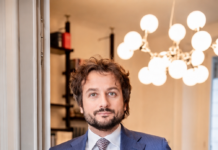




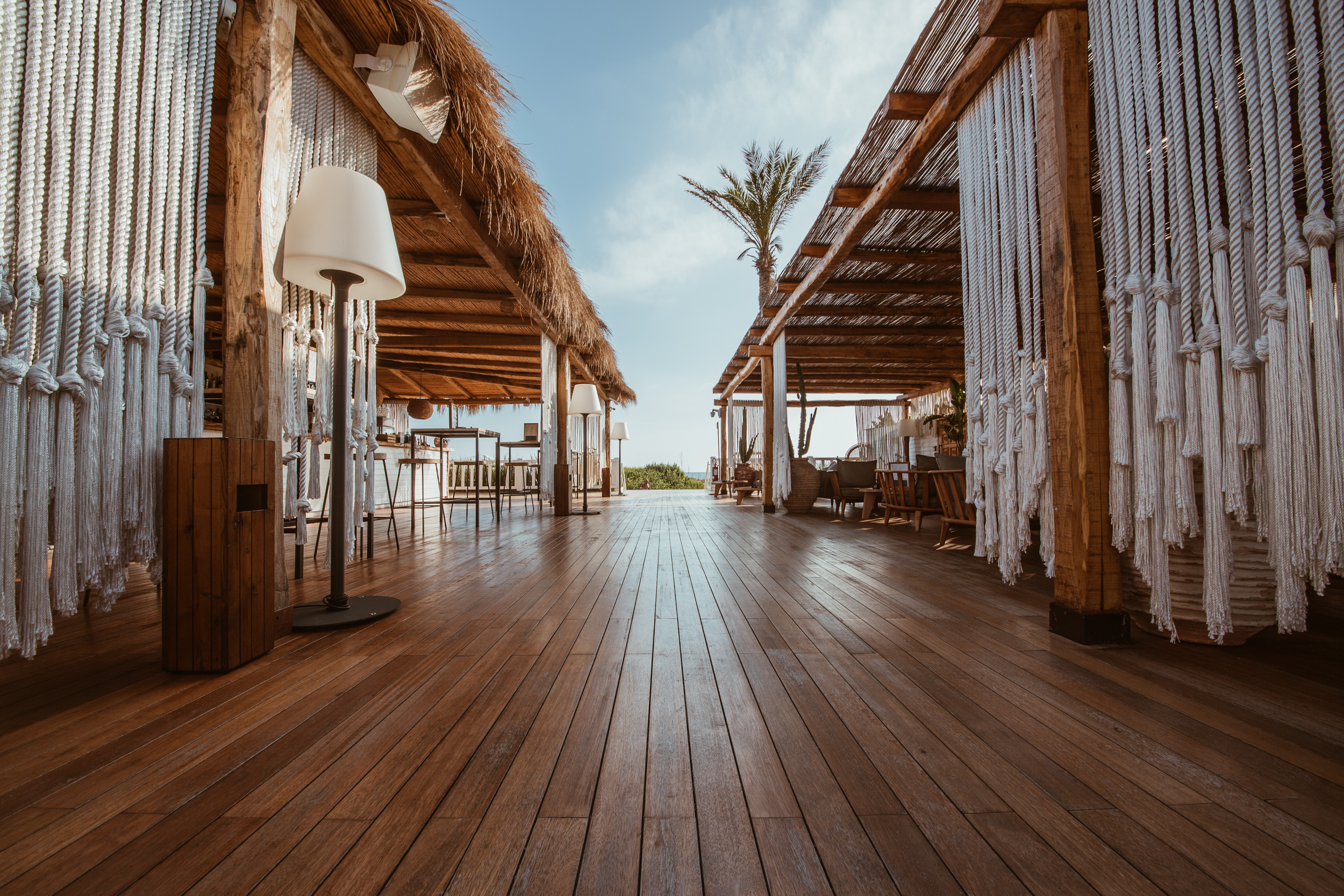
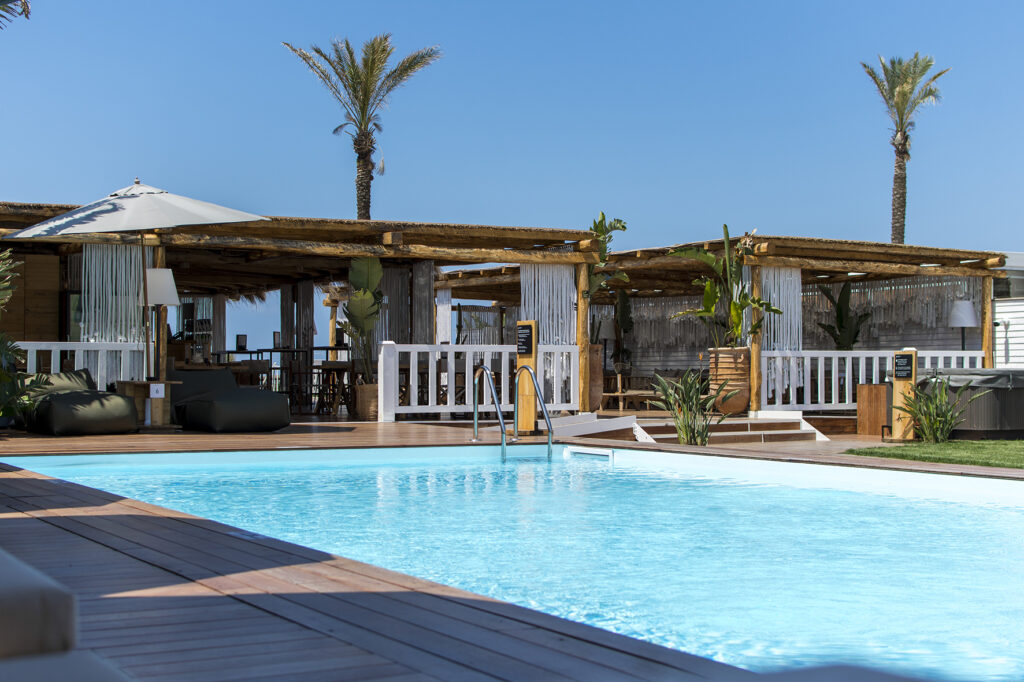
In Baia Domizia, where the sea awarded the Blue Flag shapes one of the most picturesque stretches of the Campanian coastline, Cumeja Beach Club & Hotel stands out as one of the most modern and distinctive hospitality destinations in Southern Italy. It is not merely an accommodation facility, but an ecosystem of services, relationships, and entrepreneurial vision. At the helm is Orsola Girone, a director with a strong managerial profile, who avoids both the rhetoric of luxury and the “showcase hotel” formula.
By Roberta Imbimbo

Director Girone, Cumeja combines elegance, relaxation, and entertainment. How do you manage to keep these elements together?
We don’t see them as separate compartments, but as dimensions of a single narrative. Cumeja was born in 2018 with a very clear identity. From the start, we envisioned a place where hospitality and the beach club would coexist as parts of the same project, not as separate functions. The name itself—Cumeja Beach Club & Hotel—reflects this approach: the sea and the beach club are the heart of the experience, while the hotel becomes a natural extension. This represents a model of hospitality that differs from the more traditional and contemplative approach. Cumeja is designed for those who experience the sea dynamically, for those who enjoy a lively environment of socializing, music, dining, and activity, without compromising service quality.
Throughout the day, the property shifts its mood naturally. Why this choice?
The property changes its rhythm rather than its image. Mornings are dominated by a rarefied, almost suspended atmosphere: natural light, silence interrupted only by the sound of the sea, a slow use of spaces that favors contemplation and individual well-being. In the afternoon, as presence and energy increase, the relationship with the sea becomes more explicit: the beach club comes alive, dining takes center stage, and spaces open to measured but evident social interaction. In the evening, the property assumes a more sophisticated tone: lighting, music, and spatial composition create a scenic dimension where entertainment complements elegance without overpowering it. This is not mere transformation or aesthetic variation, but a conscious orchestration of the experience, calibrated to the expectations of a public seeking coherence above spectacle. The beach club, the original core of the project, remains the identity hub. It is not an accessory service of the hotel, but its foundational grammar: the place where the tone of the guest relationship is set, balancing informality and rigor, freedom and control.
How important is the human factor in this vision?
If the sea defines the frame, it is human capital that determines its substance. Staff selection is our primary strategic investment. We don’t look only for technical skills, but for a culture of hospitality. The experience arises from contact, from the ability to anticipate needs before they are expressed. This is where hospitality retains a deeply Italian imprint, even in a context where demand is increasingly international. Baia Domizia, a historic tourist destination, now enjoys renewed importance in international flows; Cumeja taps into this trajectory without losing its identity.
What role did the renovation commissioned by owner Carlo Emini play?
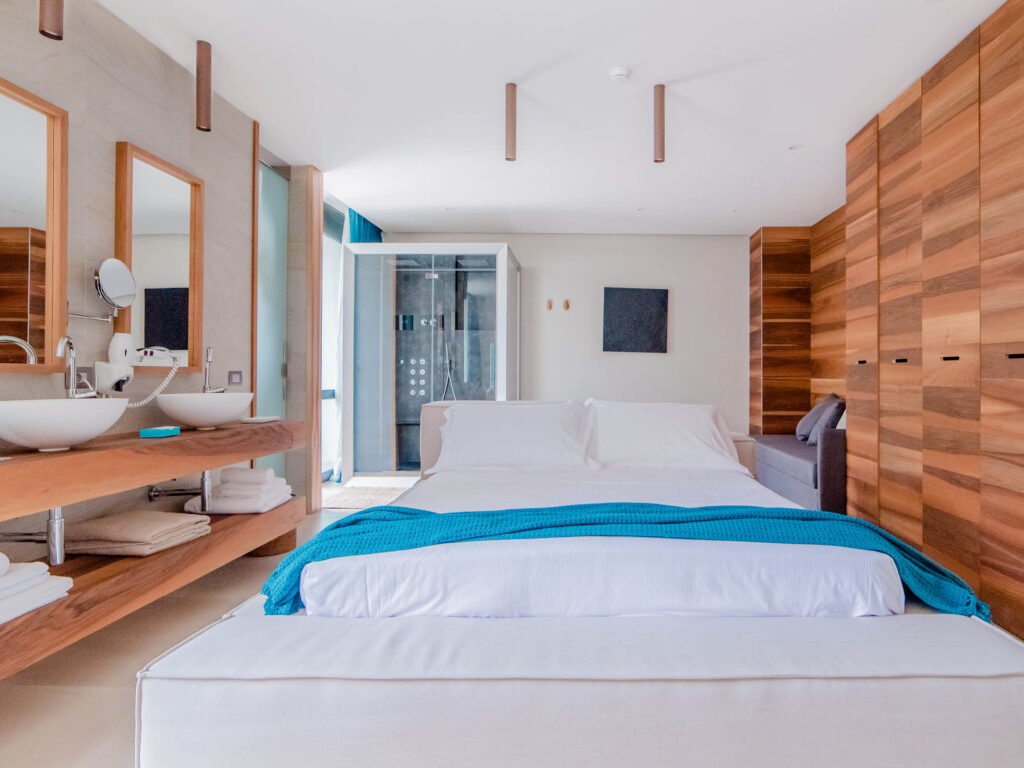
It marked a decisive shift: from a mere lodging facility to an identity-driven place. It was not just an aesthetic intervention, but a functional redefinition of spaces, with visual connections to the sea, essential lines, and environments designed to be experienced rather than displayed. This intervention returned quality to the coast, removing it from the logic of seasonal homogenization. The entrepreneurial vision also translated into targeted entertainment choices. Last year, we offered an international-level program, including club nights featuring Bob Sinclar alongside other leading names. Entertainment is not noise; it is a language. The goal is not episodic astonishment, but continuity and dialogue with a global audience.
In conclusion, what does Cumeja represent today?
A contemporary structure that engages with the territory while looking beyond national borders, presenting itself as a destination rather than just a stay. In a Southern Italy still suspended between folkloric narrative and seasonal tourism, Cumeja seeks a different synthesis: transforming hospitality into a cultural and entrepreneurial project. It represents a trajectory aligned with the broader transformation of contemporary tourism in Southern Italy.