









Home Blog Page 9

The challenges and opportunities of geology in the modern world

0

Geology, as a fundamental science for understanding our planet, faces many challenges today. We spoke about this with Professor Pierluigi Musto, a geologist and author of numerous articles on the subject, who gave us an overview of the most pressing issues in this field and the future of the discipline.
by Roberta Imbimbo

Professor Musto, geology is a science that has always played a fundamental role in understanding our planet. In your opinion, what are the most urgent challenges facing geologists today?
Geology is a multidisciplinary science, embracing different specialist fields such as geophysics, geochemistry, palaeontology and geomorphology. Each must play its part in understanding the complex dynamics of the earth. We know the areas at greatest seismic risk and those that may be affected by volcanic eruptions, and we must carry out in-depth research to prevent and mitigate the related risks, also in relation to landslides and hydrogeological instability. Geologists are involved in the protection of urban heritage and also in the search for and supply of endogenous resources.

One of the biggest challenges we are facing concerns the understanding and management of geological hazards. Phenomena such as landslides, floods and earthquakes are becoming more frequent and intense. Can you tell us about them?
The management of geological risks is very complex: earthquakes at the moment are absolutely unpredictable, so it is necessary to think in terms of risk prevention and mitigation. The figure and professionalism of the geologist are important for the management of the territory also linked to the dangers of landslides, and all the phenomena that can be triggered off by climate change. The widespread use of land, all too often without criteria, creates management and safety problems in relation to extreme events, but increasingly also to ordinary events. Adequate investment is needed to mitigate the risks associated with these important environmental issues.

Could you tell us about some recent innovations that are changing the field of geology?
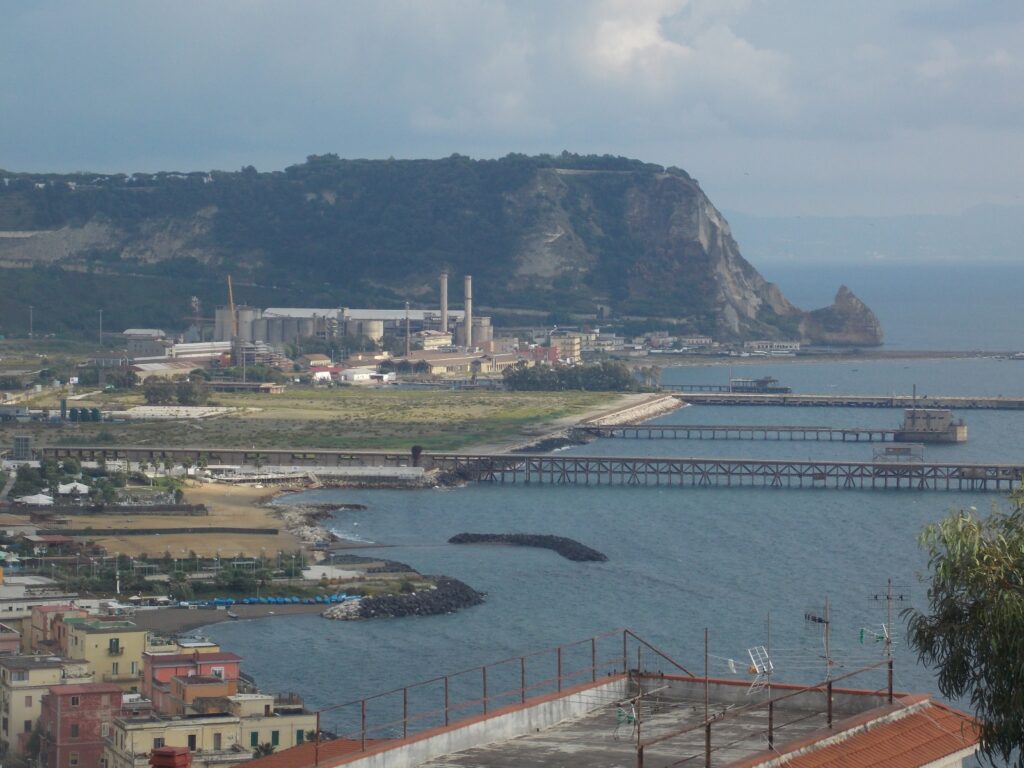
In recent decades, great strides have been made. Geology studies and investigates an “above” and an “below”. The practitioner carries out field analyses, to which are added soundings and geophysical surveys. The “Neapolitan school” was the protagonist of an enormous innovative period in the understanding of the geological evolution of our country. The professors of the University of Naples “Federico II” in the period when I was a student, were the authors of significant reinterpretations on various research topics. I believe that a congress of the Italian Geological Society held in Sorrento in 1987, where numerous multidisciplinary scientific contributions were presented with heated and in-depth debates, was fundamental. The foundations were laid for further challenges in the knowledge and understanding of complex phenomena. Since then, further steps have been taken, also with the fundamental help of technology. One of the examples I experience as a Phlegrean citizen is the evolution in our knowledge of bradyseism, about which little or nothing was known in the 1970s and of which we now have more knowledge. I believe it is essential to emphasise that in the sciences, new problems often arise with every step forward, and thus new challenges in accordance with progress and the scientific method. In recent decades, even in the field of technical geology, great strides have been made with the progressive refinement of methods for safeguarding the urban heritage and the environment.
Climate change is a central issue of our time. What role can geology play?
In addition to the purely technical aspects I mentioned earlier, it is through geology that we understand how the climate on earth has undergone considerable variations well before the advent of man. The Quaternary era was characterised by cold (glacial) periods alternating with warm (interglacial) ones. The analyses and studies in this regard are fascinating and very complex. Understanding how nature can influence and interact with climate change helps to isolate its causes and improve the “man-environment” relationship.

What is your vision for the future of geology in the near future?
This question deserves special and specific investigation as research is always active and fundamental to progress in every area of geology. Geophysics has many aspects yet to be clarified: a better understanding of the interior of our planet, its dynamics and all related aspects. The same applies to understanding the evolution of palaeoenvironments with the various tectonic and climatic implications, etc. Another field is the research and study of geo-resources: oil fields, reservoirs for water supply, geothermal energy. These are just some of the challenges in the field, and certainly of great interest. We cannot forget the monitoring of landslides, the analysis of the territory in relation to hydrogeological instability in the broadest sense; all aspects that deserve great attention.

How do you see the relationship between journalism and geology? How can these two fields work together to raise public awareness of issues related to our planet? In your opinion, what is the role of geologists in providing accurate information to the media about natural phenomena?
Research Institutions and the Professional Order of Geologists do important and delicate work both in understanding the various phenomena and in preventing related risks. Journalism can play a fundamental role in the correct dissemination of the various topics without seeking sensationalism through perhaps catchy but often misleading headlines. I am a great advocate of scientific communication, the difficulty is often in the language as it must be rigorous but understandable to the population.

When it comes to geological phenomena, such as earthquakes or landslides, what is the most important information the public should receive from the media?
In this regard, the Civil Defence has already been running an “I do not risk” project for some time. This has also been proposed in schools and it would be a good idea to disseminate it periodically. Here is the link:https://iononrischio.protezionecivile.it/it/

What do you think about the increasing attention to climate change and geological risk issues in the media?
In recent years, with the advent of the internet and social media, it is easier to find scientific information, even through the dissemination of scientific publications; too often we run into the big problem that interpretations are given without having a sound knowledge and expertise on the subject. In short, as in football: everyone is a coach, in this sector everyone becomes a seismologist, geologist or climatologist. All this easily creates confusion with repercussions also in the social sphere. Remember that publications, which are validated by reviewers, may happen to provide conflicting data, this is part of the normal discussion in the strictly scientific sphere. Those who popularise science in my opinion have a central role: they must be able to communicate in a neutral capacity in order to provide as broad a view as possible on the various scientific topics. Science does not provide “absolute truths”, but at the same time any information must be supported by official and robust data. The latter must be sourced from official bodies!!!

How do you see the future of geological communication? Is there any aspect of geology that, in your opinion, the media should start covering more frequently and with more attention?
Geological communication can and must follow the various events: 30 years ago, for example, there was no talk of climate change. As a Phlaegrean citizen, during the crisis of 1982-84 there was extensive journalistic coverage of the bradyseism phenomenon; today, information has evolved further with the advent of the internet. The media follow the evolution of the scenarios; the Italian territory has such geological characteristics that the topics to be covered are many, but in general the focus on prevention and risk mitigation, in my opinion, must be extremely important.
How technological innovation is revolutionising the world of finance

0

by Roberta Imbimbo

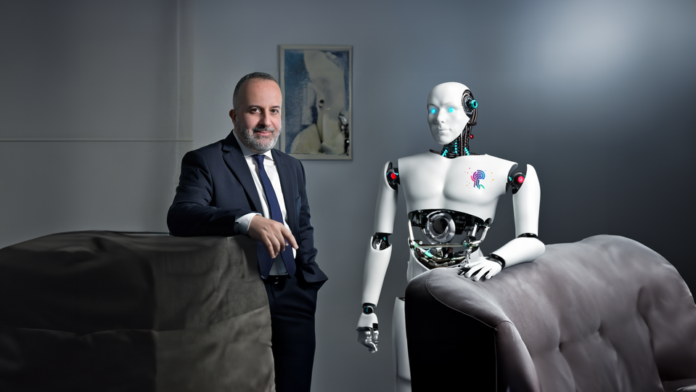
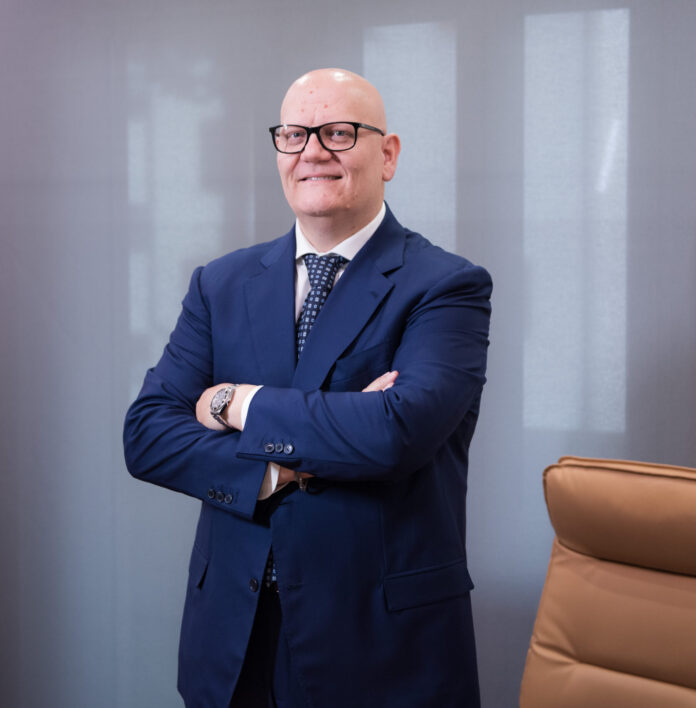
In a world increasingly characterised by economic uncertainties, financial market volatility and regulatory complexities, financial and wealth advice performed by experienced and qualified professionals is increasingly becoming a key resource, capable of transforming uncertainties and risks into concrete and customised strategies. Founded in 2018 from the far-sighted idea of Patrizio Caringi, a professional with over 15 years of experience in the financial, banking and insurance fields, Capital Strategy Srl is today one of the leading independent multi Family Offices; an all-Italian excellence that, thanks to a long-term vision, is able to support large entrepreneurial families and Italian companies in developing a structured approach to managing their assets; in planning the investment strategy; in building an effective asset allocation. ‘Asset analysis in today’s financial management is of paramount importance because one cannot build good financial planning without having a precise picture of the available assets and their characteristics; without an in-depth asset analysis and without a precise long-term strategy, financial management risks becoming a series of fragmentary decisions, lacking an overall vision,’ says Patrizio Caringi, founder of a future-oriented reality that shines on the market for innovation and professionalism. ‘The advent of new technologies (think of the advent of fintech) is also profoundly transforming the world of finance, paving the way for innovative tools that make asset and financial management increasingly accessible, personalised and transparent. To adapt to this evolution, we at Capital Strategy have for some time now been developing intuitive digital platforms that allow clients to monitor their portfolios, receive real-time updates, and access individual analysis and control tools. Thanks to the analysis of huge amounts of historical data, AI makes it possible to identify market trends, provide more accurate forecasts that allow investment strategies to be adjusted immediately (predictive models help to identify potential financial risks before they occur), and thus offer even more targeted advice. ‘All this provides clients with an unprecedented level of efficiency and precision. However, as the opportunities increase, so do the challenges related to cybersecurity and privacy, which require careful and informed knowledge.’ Despite its enormous potential, however, AI does not completely replace humans, but complements their skills, especially in areas that require judgement and analysis. The key is in fact a balanced integration, where humans remain at the centre of the decision-making process, using technological innovation as a support to improve efficiency and accuracy. ‘Our philosophy is to use these tools exclusively to enhance our work and to allow us to focus more attention on the direct customer relationship. Human value therefore remains irreplaceable when it comes to building a relationship of trust, lasting over time, and providing increasingly targeted assistance’. To drive the change taking place, Capital Strategy is also focusing on strategic partnerships with well-structured companies, with the priority objective of increasing its offer, becoming more and more competitive, and accelerating the process of innovation not only by adapting to change but also by becoming a promoter of substantial change in the world of finance itself.

Osama acquires Morocolor Italia and consolidates its position on the global market

0

Osama was founded by entrepreneur Mario Tschang in 1967, with the aim of becoming a point of reference in the design, production and distribution of articles for artistic, scholastic and office use; over time, however, the company has broadened its core business to diversify its offer, integrating the know-how of other companies in the Group and thus becoming structured in three different divisions: Writing, Living and Promoting. Thanks to an innovative vision, aimed at customer-centricity, and a strong vocation for internationalisation, in a short time Osama has experienced rapid growth both in terms of organisational structure (today it has 150 highly qualified employees) and geographical expansion, coming to assert its leadership in both the domestic and international markets, in over 90 countries worldwide. A very important moment in the growth path of Osama, a historic family company now in its third generation, was the recent acquisition of the Padua-based historic company Morocolor Italia. ‘From day one, we have shared with the Moro family a focus on product quality, sustainability, and the growth of people, all of which are invaluable issues for us,’ says Koici Tschang, CEO of OSAMA and Morocolor Italia, in this lengthy interview.

by Roberta Imbimbo

Dr. Koici Tschang, in July 2023, the Osama Group, which has been active in the stationery sector for over 50 years, acquired Morocolor Italia, a historical company from Padua specialising in the production of colours for educational and artistic use. What are the main reasons for this acquisition?
A brief introduction is necessary. Founded in 1933 by Camillo Moro under the name CMP (Camillo Moro Padova), Morocolor Italia is a company with over 90 years of history that has distinguished itself on the market for the production of chalk for blackboards and other stationery items. An all-Italian excellence, now in its fourth generation, which before the acquisition had around 100 employees and exported colours and products for educational and artistic use (both for adults and children), strictly made in Italy, to over 90 countries worldwide. Combining tradition and innovation, the company has always believed in and invested in Italian production, manufacturing innovative products of the highest quality in its in-house laboratory. It is no coincidence that over the years it has become a world ambassador for Italian-made products thanks to the uniqueness, elegance and reliability (Made in Italy production – which few can boast – follows strict eco-friendly standards and guarantees greater control over the entire production chain) of its products, which are able to meet the needs of increasingly demanding consumers. This acquisition therefore represents a significant step for the Osama Group, strengthening its presence in the global stationery market and consolidating its commitment to sustainable production practices.

What strategic goals do you hope to achieve with this acquisition?
The priority objective is certainly to integrate the product portfolio of the two companies, optimising their production capacities. In terms of efficiency and environmental sustainability: since 2010, Morocolor’s production infrastructures have been equipped with photovoltaic systems that integrate well with Osama’s eco-sustainable approach. This acquisition also makes it possible both to develop new innovative products, combining the expertise of both companies, and to broaden the offer: Morocolor, in fact, brings with it a range of specialised products such as tempera paints, chalks and art materials for schools and professionals, which will expand Osama’s offer, enabling the Group to enter new market segments linked to the educational and creative world. By combining skills and resources, the Group is also aiming at increasing its internationalisation, consolidating its position in some strategic markets, such as Europe and Asia, strong with three main brands (Osama, Primo and Primo Hobby&Professional, which we will present to a more adult clientele in February 2025 in a new guise).

From 2025 there will be many new challenges for the group?
Exactly. Starting with the Frankfurt Messe 2025, which is the reference event for our sector, we will introduce important innovations related to the world of art and creativity, with a specific focus on modelling pastes, introducing an innovative item that will fully reflect the values of the Group and its DNA. Our leitmotif, let’s grow together with your creativity, is after all a very inspiring slogan that underlines how quality, innovation, sustainability and customer focus have always been the values that guide our work and our corporate philosophy, and that will enable us to make the difference in an increasingly competitive global market.

Gentlebrand, an innovative and future-oriented design agency that shines on the international market

0

Born from the experience of PET Engineering – a company founded in 1999 by entrepreneur Moreno Barel, Gentlebrand is an all-Italian excellence that has succeeded in asserting its leadership in both the national and international markets, on the strength of a strategic and innovative vision. Andrea Rizzardi, the company’s General Manager, explains the strengths of a company with a green heart that aims to increasingly combine productivity and competitiveness objectives with a low corporate impact policy.
by Roberta Imbimbo

Dr. Rizzardi, with what mission was Gentlebrand born? Tell us a little about your story.
In 1999, entrepreneur Moreno Barel had the brilliant intuition to found PET Engineering in Treviso, a company operating in the packaging market, highly specialised in the design of PET containers for the beverage, food, cosmetics and detergent sectors. One of the first companies to implement innovative design elements in the world of engineering related to PET containers; and which, precisely because of this high added-value and competitive peculiarity, has managed to assert its leadership on both the domestic and international markets, mainly in Russia, where in the past it has come to design around 80% of beer containers. The ability to bring into perfect dialogue the creative aspect linked to the world of design, and the technical aspect linked to the sphere of industrial engineering, soon attracted the attention of Sidel, an international group specialised in the sector of automatic machines for bottling food and non-food liquids, which in 2018 acquired the two beating souls of the company, giving life to two distinct and dedicated corporate identities. Today Gentlebrand, is the business unit capable of taking care of all creative services (brand strategy, brand identity, packaging design and obviously all brand activation services related to rebranding, repackaging or restyling cases); a future-oriented reality, with a strong propensity for internationalisation and environmental sustainability.

What kind of market is it in which you operate? And what peculiarities distinguish you from your competitors?
Even though it is a highly competitive market, Gentlebrand has succeeded in establishing itself both nationally and internationally, thanks to its ability to design tailor-made solutions, rigorously customised and tailored to the needs of each individual customer. Today, packaging must be able to tell the story of the brand, its values and its mission. This is why, at Gentlebrand, feasibility, i.e. the feasibility of every single project, is studied at 360 degrees, from creativity to industrialisation to prototyping (a sort of quality check to make sure that the idea is transposed into reality and is really productive, guaranteeing the volumes that the customer is looking for in the order of the planned investment), taking into account brand strategy and brand identity, which allow us to formulate design packaging that is highly performing from an aesthetic, functional and emotional point of view. And which allow considerable time and cost savings, since the customer deals with a single, reliable and qualified interlocutor. This working model has obviously proved successful, so much so that it has decreed Gentlebrand’s success at global level.

How important is the issue of environmental sustainability to you?
It is crucial! Having a global knowledge of the trends in this industry, we are absolutely capable of choosing the most sustainable materials suitable for each context, relevance and mode of use, with an eye always on the possibility of reuse and recycling. With this in mind, a radical change of mind is desirable in this sector, starting to consider each material as a resource and not as waste (PET, for example, is often demonised by consumers, while in reality it is a great resource for the industry since it is one of the few materials that can be 100% recycled). Another important goal to be achieved in this sense in Europe, following the example of South Korea where it is already allowed, would be to allow the use of the no-label trend, i.e., the removal of the label from primary packaging to avoid the use of glues and inks that could compromise recycling, in an absolutely closed ‘bottle-to-bottle’ cycle.

So many achievements in so many years of activity. Future goals?
To continue to manage the services offered in the best possible way, also from the sustainability point of view, in order to increasingly maximise customer satisfaction, which has always been our priority objective.

For further information (https://www.gentlebrand.com)

New frontiers in hip prosthetic surgery

0

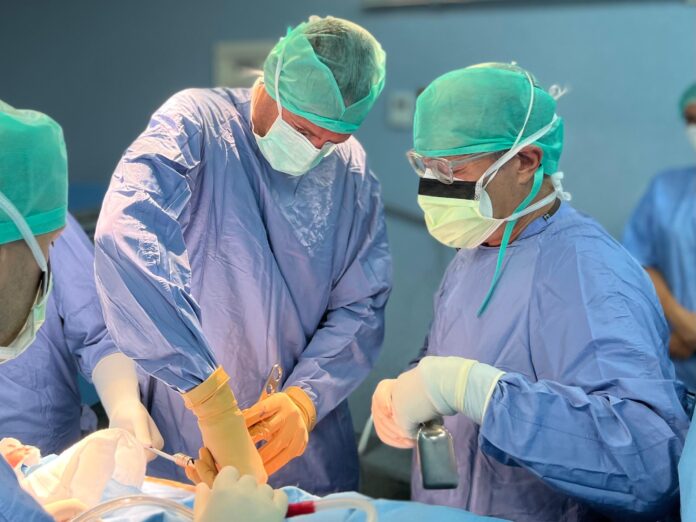
In hip prosthetic surgery, the minimally invasive anterior approach using the bikini technique offers numerous advantages over traditional surgery. Indeed, it is a minimally invasive methodology that combines advanced medical technology with a surgical approach geared towards the patient’s well-being. ‘Scars that are increasingly smaller and easier to hide by the undergarment are now a major advantage for patients undergoing hip replacement surgery. The advantages of the bikini technique, however, are numerous and are not reduced to a purely aesthetic issue,’ says Dr Walter Salustri, an orthopaedic surgeon and expert in hip and knee surgery who, in the course of his career, has performed more than 600 hip prosthesis operations, operating in facilities of excellence throughout Italy, such as the Policlinico San Donato in Milan, Villa Salaria Hospital in Rome, and the Di Lorenzo Clinic in Avezzano.

by Roberta Imbimbo
Dr Salustri, what does hip replacement surgery using the minimally invasive anterior bikini technique involve?
It is a highly innovative and truly minimally invasive operating technique, which aims to minimise aesthetic impact and improve post-operative recovery. It is so called because the skin cut is performed obliquely along the natural fold of the groin and no longer longitudinally, thus making the scar (only a few centimetres long) less visible than in traditional approaches, also because it is completely hidden by the underwear or swimming costume.

What advantages does this method offer patients over traditional approaches, also in terms of recovery and post-operative pain? Which muscle and tendon structures are involved?
Smaller and less visible incisions reduce the aesthetic and psychological impact, and speed up the healing process. In addition to these aesthetic advantages, bikini incision has other advantages over traditional prosthetic implantation techniques. As mentioned, it is a technique that allows the sparing of subcutaneous soft tissue: the preservation of muscles and anatomical structures improves the stability of the hip and allows a much faster and less painful post-operative recovery. The advantages can be summarised as follows: surgery, hospitalisation, rehabilitation and recovery times are shorter than with traditional techniques; less blood loss during the operation; no pain and less swelling; no need for stitches; fewer post-operative complications such as infections or dislocations. These advantages speed up the patient’s recovery as much as possible. The patient can be discharged on the second day, can wear trousers and shoes immediately, can cross his legs from the day of the operation, and can return to driving after 15 days. The patient will therefore not lose his autonomy and will not need assistance, as he is immediately self-sufficient.

For whom is this method indicated?
This technique can be applied to all persons, without restrictions of gender or weight, both in cases of femoral neck fracture and in cases of hip arthrosis, when the cartilage is severely compromised and causes chronic pain, stiffness and high functional limitations, or when the quality of life has significantly deteriorated; the less visible scar and less invasiveness also make it particularly suitable for young and active patients, who obviously have high functional and aesthetic expectations, and more generally for persons who want a quick recovery to return to an active lifestyle.

What are the risks associated with it?
The risks associated with the bikini technique are much lower than with traditional approaches, but there are nevertheless some potential complications to consider, which are typical of any surgery: the possibility of infection and the risk of dislocation, for example, although they are minimal compared to traditional approaches, are not completely zero. Obviously, the success of the technique depends largely on the surgeon’s competence and familiarity with this particular technique. Among other things, today it is possible to perform hip replacements of the latest generation, as there are highly advanced prostheses on the market, specially designed for the anterior route and made of highly innovative materials (the ceramic head, the polyethylene insert, which have excellent wear resistance and unlimited biocompatibility; while the stem and acetabulum are made of titanium). In conclusion, considering that over 600,000 hip replacements are performed each year worldwide, having a minimally invasive surgical technique available today with potentially fewer post-operative complications is certainly an advantageous and innovative option that can improve patients’ quality of life.

The importance of R&D tax credit certification

0

Established in 2001 in Sora, in the province of Frosinone, the Riccardo Petricca Engineering Studio is an all-Italian excellence that offers its consultancy services to public and private companies of all sectors, both SMEs and large corporations. Thanks to a strategic vision and highly specialised know-how, the firm is able to provide qualified and reliable consultancy, rigorously tailored to the needs of each individual business, in the fields of ICT, Industry 4.0 and 5.0, privacy and data security, cybersecurity, artificial intelligence, blockchain, and R&D credit certification. ‘This certification – which is an official recognition that companies can apply for on a voluntary basis to qualify research and development, technological innovation, aesthetics and design activities, for the purposes of the recognition of the R&D tax credit (which is a real incentive for Italian companies) – is today of crucial importance for companies investing in innovation,’ says Riccardo Petricca, founder of the firm of the same name, a qualified certifier of the R&D tax credit, registered in the MiMIT register of certifiers as well as an Innovation Manager able to support companies in the digital transition. ‘The certification procedure provides for a rigorous evaluation/verification of activities (adherence to the Frascati Manaule), ensuring that projects are actually consistent with the regulations on R&D credits that have been used or are intended to be used. Obtaining this certification enables companies to obtain a significant tax refund on expenses incurred for R&D activities. This not only reduces the financial burden of investments in innovation, but also provides other significant benefits. It allows, for instance, to mitigate the ever-increasing risks of litigation with the Inland Revenue concerning R&D credits already claimed in the past.

Last but not least, it increases the company’s brand reputation in the reference market and promotes a culture of continuous research and development, which is fundamental for the company’s competitiveness and growth in the long term’. Studio Riccardo Petricca is therefore a qualified and strategic partner able to support companies at 360 degrees, proactively anticipating the needs of a constantly evolving market.
For further information: info@riccardopetricca.it

You need ‘Strategic Strabismus and Holistic Vision’ to successfully govern a family business

0

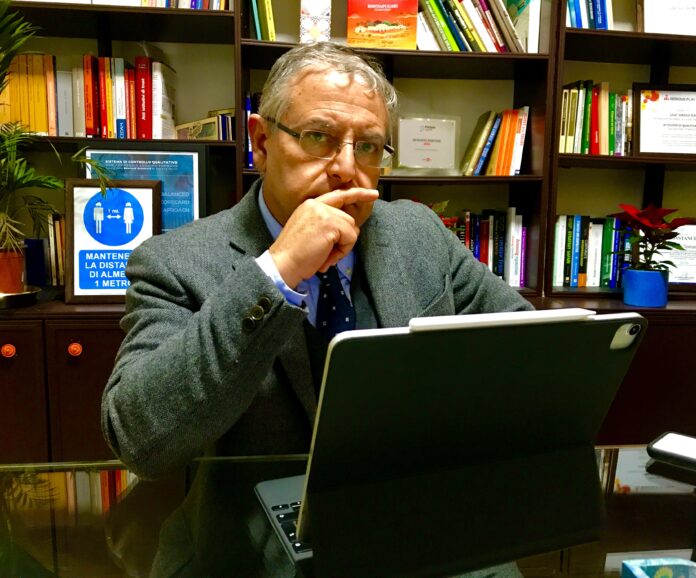
Despite the transformations of economies and societies, family businesses continue to be a dominant business model in Italy and worldwide; in our country they account for 85% of all businesses and contribute 70% of GDP. The beating heart of Italy’s productive fabric, they face numerous challenges linked to the enormous acceleration of markets, technologies and transformations in the socio-economic sphere, which require highly innovative management and governance strategies. ‘Business continuity has always been a central issue for family businesses in the challenge for longevity,’ says Prof. Salvatore Tomaselli, Associate Professor of Business Economics at the University of Palermo, and business consultant specialising in family business. ‘In contrast to the past, recent empirical data show that today family businesses, which are well prepared for transitions, continue to grow even after the second generation (disproving the famous saying: the first generation builds, the second enjoys and the third destroys); and that they have greater resilience and a better impact on the labour market (also in terms of employment) in times of crisis than non-family businesses.’ One of the most compelling challenges is therefore precisely that of being able to build the right conditions so that the company brought to success by its founder can continue to prosper with the next generation. ‘Strategic squinting and holistic vision are needed to successfully govern a family business’. Strategic squinting is the ability to look at both the short and the long term. ‘In a world that often forces one to focus on the short term, but which presents challenges in the long term, it is of paramount importance to have a clear and strategic vision both in terms of planning and in terms of preventing possible crises or sudden changes of course. Visionary entrepreneurs are able to successfully face daily challenges; to gain competitive advantages by proactively anticipating the needs of an ever-changing market; and to adapt business strategies to the threats or opportunities arising from rapid changes in the social and operational environment. However, they also have the ability to see beyond the present, to extend their gaze beyond the horizon and to imagine all future scenarios. In order to make strategic decisions for the future, the entrepreneur must develop a Holistic Vision, i.e. the ability to consider the company as an integrated system, in which all parts are interconnected and contribute to the overall success. The entrepreneur, for example, cannot fail to consider all the internal relational and social dynamics, since the family structure influences the company’s way of being even in those realities where the family is far removed from day-to-day management; just as company dynamics influence family relations and the family’s ability to interact correctly with the company. Successful strategic management thus implies the interdependence between the life of the company and that of the balances within the family that manages it. It is not by chance that I wanted to coin a term, Family Citizenship, precisely because the harmony of the family management nucleus is the fundamental prerequisite for the correct functioning of the company, which must be managed with Systemic Thinking, promoting a climate of trust and collaboration between all the members of the family. In conclusion, a more modern corporate culture is undoubtedly needed today: only through strategic squinting, systemic thinking and holistic vision will a company succeed not only in being truly competitive in an ever-changing market, but also in preserving its value for future generations.

The importance of research and development tax credit certification

0

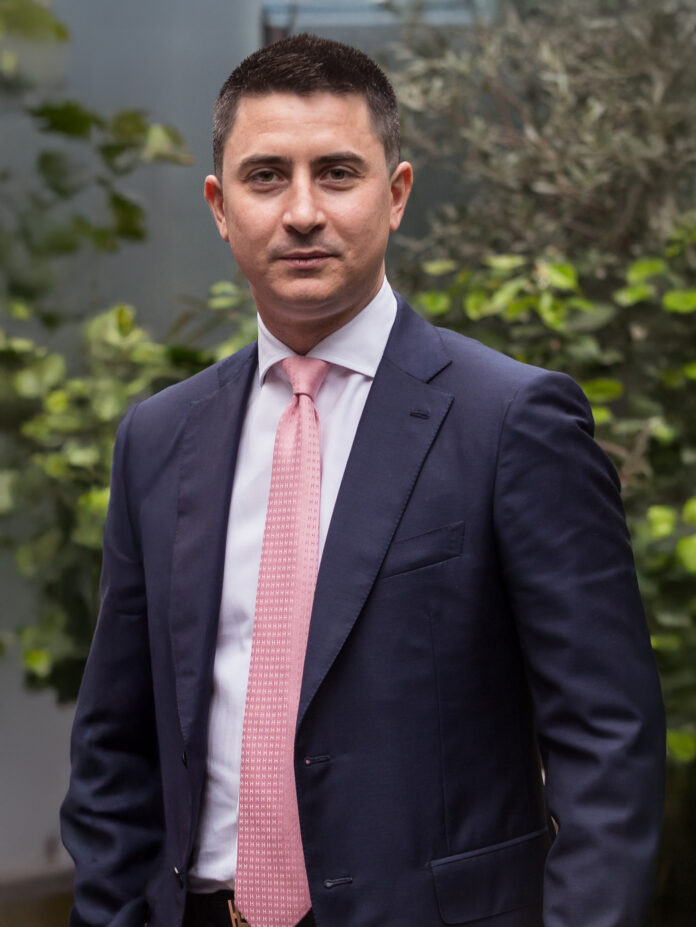
The certification of the research and development tax credit is now a strategic tool for companies investing in innovation. Introduced by Law No. 122 of 4 August 2022 with the aim of giving greater certainty to the matter, this certification puts companies on the safe side, guaranteeing the compliance of individual projects with the regulations in force and thus reducing the risk of disputes by the Revenue Agency. Dr. Gabriele D’Aloisio, Sole Director of Q Consulting, a company highly qualified in strategic business consulting, explains in this lengthy interview how tax credit certification helps to stimulate business innovation and competitiveness.
by Roberta Imbimbo

Dr. D’Aloisio, can you briefly explain what certification of the R&D tax credit is?
The certification of the tax credit for research and development is a process aimed at verifying and certifying that the activities carried out by a company are indeed among those eligible as research and development, in compliance with the tax regulations in force. In practice, this certification ensures that the expenses incurred by the company for research and development activities are correctly documented and meet the requirements set forth by law in order to benefit from the tax credit. This certification model constitutes a significant advancement towards a more transparent and reliable system for determining and managing the tax credit for research and development activities (RSID) in our country, favouring its application in a context of operational certainty. Certification represents an important tool for companies, allowing them to certify that their projects comply with current regulations and, consequently, to reduce the risk of disputes by the tax authorities, as well as to avoid penalties or revocation. This mechanism is particularly relevant for companies of any size, especially those that have accrued significant tax credits that have not yet been audited by the tax authorities, offering preventive protection and greater serenity in the management of the tax benefit.

How has the R&D tax credit legislation evolved over time?
The regulatory evolution reflects the constant adjustment of the legislative framework to ensure ever greater transparency and traceability of expenses, tax security for beneficiary companies, and greater control over the correct use of this incentive. The regulation of the research and development tax credit was first introduced with Decree-Law No. 145/2013, Art. 3 and made operational with the 2015 Stability Law. Over the years, however, the regulations have undergone several regulatory changes, specifically since the Agenzia delle Entrate began to intensify its checks on the eligibility of activities, detecting interpretative errors and abuses, which led to the revocation of most of these credits. A significant change therefore occurred with Budget Law No. 160/2019, which expanded the list of eligible activities to include not only R&D, but also technological innovation, technological innovation 4.0 and green, design and aesthetic ideation (RSID). This certification model also reaffirmed the centrality of the Frascati Manual and thus the mandatory compliance with its criteria – novelty, creativity, uncertainty, systematicity and transferability and/or reproducibility – in the qualification of R&D projects carried out from 2015 to date. Another key step was the establishment of the Register of Certifiers of R&D, Innovation and Design Tax Credits, set up at the Directorate-General for Industrial Policy, Industrial Conversion and Crisis, Innovation, SMEs and Made in Italy; basically a list of individuals and companies recognised by the Ministry as R&D experts. Finally, with the decree of 4 July 2024, the latest Guidelines for the correct application of the tax credit, the ones in force today, were approved.

How does tax credit certification help stimulate innovation and competitiveness? What benefits have you found among companies that have made use of this measure?
The certification of the tax credit for research and development is an essential element in stimulating innovation and increasing the competitiveness of companies. This tool provides companies with the certainty that they are operating in compliance with the regulations in force, significantly reducing the risk of disputes, penalties, and revocations by the Revenue Agency. This security allows companies to invest with greater peace of mind in innovative projects, fostering the link between creativity and concrete results. For Italian companies in particular, this measure enhances the Made in Italy brand, known globally for excellence in sectors such as design, fashion, technology and sustainability. The possibility of transforming ideas into operational reality strengthens the role of Italian companies as protagonists of international innovation. In addition, the certification system, by offering transparency and reliability, makes Italy a more attractive environment for foreign investors, who are more incentivised to finance research and development projects thanks to the regulatory security that this instrument guarantees. Companies that have availed themselves of this measure have experienced important benefits. They have increased investment in research and development while optimising their fiscal management and freeing up financial resources for further strategic initiatives. Certification has strengthened corporate reputation, consolidating the trust of stakeholders such as customers, partners and investors. In addition, many companies have had the opportunity to attract and retain qualified talent, improving their ability to innovate and develop competitively in the global market. The certification of the tax credit, therefore, not only supports the growth of Italian companies, but also consolidates the country’s position as a reference point for ingenuity and innovation, enhancing the competitiveness of Made in Italy on an international level.

For more info https://qconsultingsrl.com

SIL.CA Consulting, excellence at the service of human capital

0

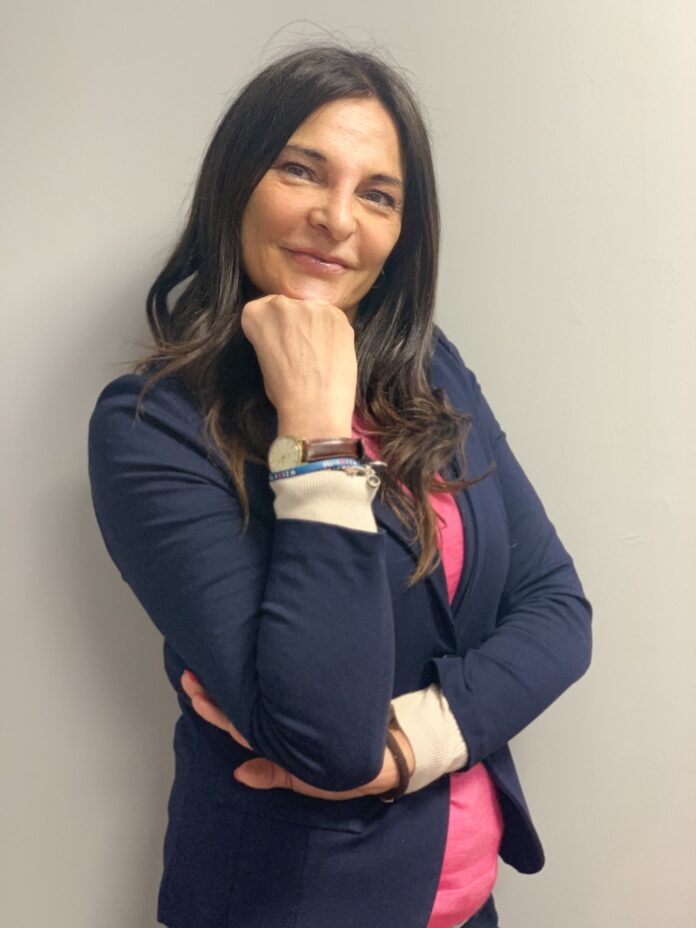
Established in 2006 in Gallarate, in the province of Varese, from the far-sighted idea of entrepreneur Silvia Camanni, an expert in business mentor coaching, SIL.CA Consulting is a company that has focused its core business on human resources services for companies, both SMEs and large corporations, located throughout Italy and internationally. A strategic vision, based on the centrality of the client; a great ability to develop tailor-made projects, tailor-made according to the real needs of each individual entrepreneurial reality; a constant focus on human potential; the use of an innovative experiential methodology that is particularly effective for companies; these are the strengths of a dynamic and future-oriented company that in recent years has experienced significant growth both in terms of turnover (in 2024 it increased by 40% compared to the previous year) and organisational structure (it has a multidisciplinary team of 16 highly qualified professionals, each with their own past in prestigious national and multinational contexts). Today, SIL.CA Consulting is one of the main reference points in the field of training, coaching and business consulting; an all-Italian excellence that has managed to increase its brand reputation in a highly competitive market. ‘Combining the experiential skills acquired over many years of systemic company management, with an innovative approach aimed at the centrality of people, and the continuous and attentive relationship with the figures operating in the HR function, has proved to be a winning strategy that has allowed us to clearly differentiate ourselves from other market players,’ says the company founder. ‘SIL.CA Consulting is in fact a qualified and reliable partner that, thanks to behavioural and experiential training programmes of the highest level – structured in online and in-presence courses, aimed at enhancing the transversal skills of all company figures – is able to make companies that trust in its experience and professionalism more competitive’. ‘To further enhance people’s performance and potential, we have also devised innovative Business Coaching and Life Coaching formats, capable of triggering cognitive processes in people that had never been activated before, thus helping them to free up unexpressed resources and overcome their natural resistance to change. All this is essential to make a difference in an increasingly demanding, competitive and globalised market.

Internationalisation of companies

0

by Roberta Imbimbo

Dr. Manzoni, with what mission was GCC Advisors born?
Born in 2021 with the ambitious goal of becoming an important reference point in the field of business internationalisation, today GCC Advisors is absolutely able to provide highly qualified and reliable consultancy to those entrepreneurial realities that wish to export their business to some strategic foreign markets, such as the Arab Emirates and North Africa. Thanks to a strategic vision, aimed at customer-centricity, and to highly specialised know-how, this young and dynamic company based in Desenzano del Garda, with offices in Milan and Dubai, accompanies and supports Italian companies in the delicate and articulated process of international development, so that they are effectively able to grow and prosper in profitable markets full of opportunities such as those of the Middle East.

What distinguishes you from your competitors?
In addition to the experience we have gained over many years, our main strength is undoubtedly our ability to offer tailor-made, 360-degree consultancy, rigorously customised and tailored to the needs of each individual business. Our main added and competitive value, which has allowed us to clearly differentiate ourselves from other market players, is also represented by a multi-disciplinary team of professionals of the highest level, who support the client in all phases of internationalisation (both in the analytical and operational phases), with the aim of providing a well-targeted and structured market penetration strategy. For us, the quality of the service offered is an essential value, precisely to protect the companies that rely on our experience and professionalism. This will/need arose from a negative personal experience (which cost me a loss of about 180,000 euro), lasting about two years, with non-certified Temporary Exporters, which made me realise the importance of investing in a professional service of experts of the highest profile, since the internationalisation process is well regulated and very articulated. And so, thanks to the invaluable collaboration of Alberto Bertini, a UNI-11823 certified Senior Export Manager, and Certified Public Accountant Marco Scardeoni, one of Italy’s leading experts in international tax planning with a specialisation in Persian Gulf countries, today GCC Advisors is a strategic partner for those companies that want to successfully open up to foreign markets.

Dr. Scardeoni, the presence of an international tax expert in the company is really strategic since the internationalisation process is not without tax risks.
That’s right. Business internationalisation operations require an analysis of the tax risks that arise from doing business in different jurisdictions, also in light of the new rules dictated at international level. This is why they must be done in a very conscientious and cautious manner, in line with what is laid down by Italian law, to avoid the possibility that any opening of offices abroad could be seen as a tool for tax avoidance or esterovestizione.

Expanding the business of companies to the outside world is a real mission for you today. But today you are also involved in raising awareness among Italian entrepreneurs for a more innovative corporate culture.
Absolutely! Today we are on the board of an association, OpenIndustria, whose objective is to disseminate the industrial entrepreneurial culture of our country, to remind us of what is too often forgotten, namely that Italy is one of the world’s seven industrial powers, with a very strong and stable economy. In an increasingly globalised world, internationalisation represents an excellent opportunity to be more competitive in the global international scenario (in the first half of 2024, Italy ranked fourth in the world for exports). However, SMEs, which represent around 95% of the Italian entrepreneurial fabric, are not sufficiently structured to successfully address foreign markets, when they could further boost these already positive figures. The hope, and consequently our most ambitious challenge, is that in the future more SMEs will be able to open up to foreign markets with confidence, in the knowledge, however, that in this field it is essential to rely on a qualified partner that is truly able to promote their international growth with a certified method.

Recent Posts

Most Popular

HB: Thirty Years of Structural Innovation Between Solid Roots and an International Vision

The civil engineering activity of Engineer Oswald Holzner began in 1994 in Lana as a firm specializing in structural and geotechnical design, immediately standing...

Smart Finance and New Economies: Andrea Di Bari’s Challenge for a More Autonomous and...

The intertwining of geopolitics, technological innovation, and new economies such as the space economy and the defence economy is reshaping the maps of global...

Minimum Wage and the Fragile Balance of Labor in Italy

In the heated debate over the introduction of a minimum wage in Italy, opposing visions collide: on one side, the need to protect the...

Architecture That Becomes Life: The Vision of Lucio Merlini

In the vibrant and complex setting of Lake Garda—where history, landscape, and architectural memory coexist—architect Lucio Merlini pursues a professional vision that goes far...

CambiaVerso Plus: the Italian platform revolutionizing innovation project management

No longer a consulting firm, but a company that manages, coordinates, and drives the evolution of innovation projects. CambiaVerso establishes itself as a leading...