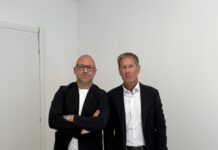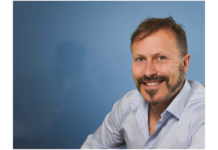



























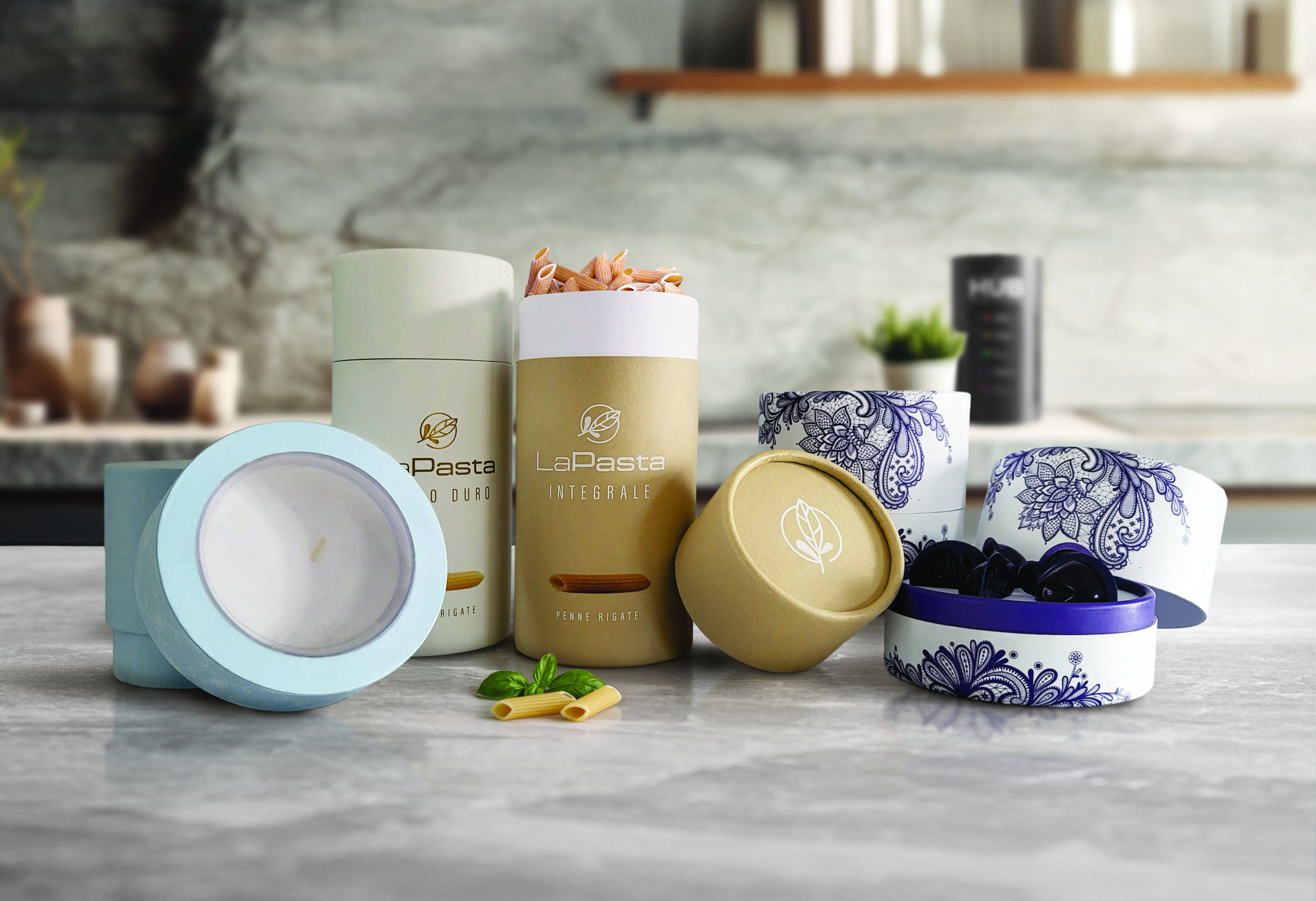
At the heart of Italy’s manufacturing tradition, Tubettificio Robbiese today represents a clear example of evolution: from a family-run business to a benchmark in advanced packaging. Founded in 1979 by Renata Gavioli, the company grew through sacrifice and strategic vision, reaching a decisive turning point in 1985 with the construction of its own production facilities. Specialising in the production of cardboard tubes for industry and luxury packaging, it has built its leadership on innovation, flexibility and tailor-made solutions, now opening a new strategic direction in food & beverage packaging for direct contact with food. CEO Adriano Cavazzoni recounts the evolution of this excellence, now in its third generation, employing 80 people and looking to the future with renewed momentum.
by Roberta Imbimbo
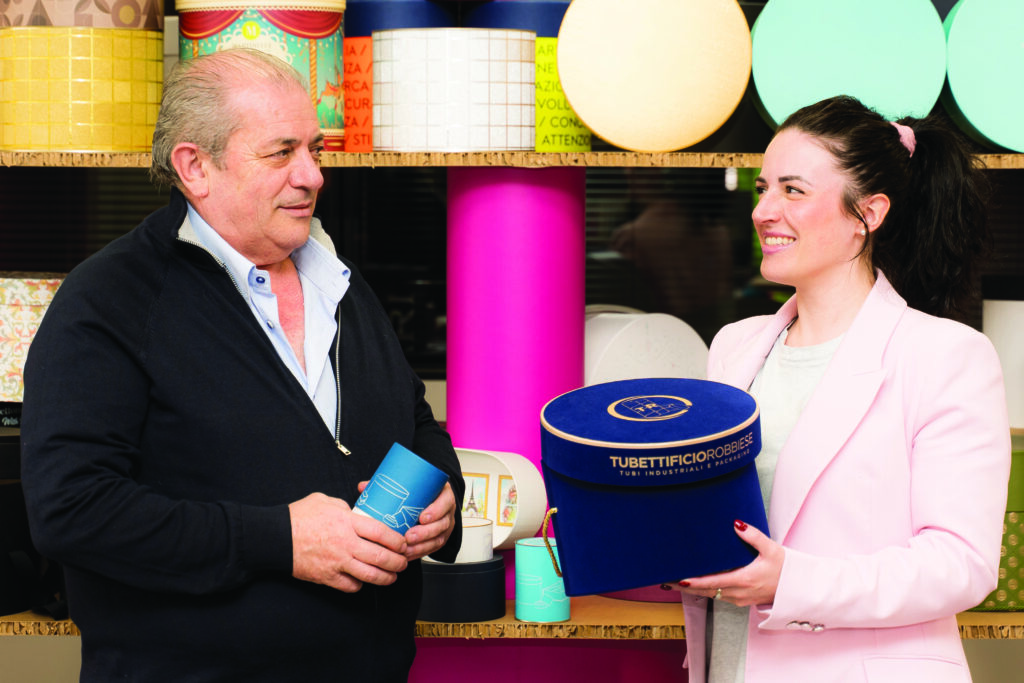
Dr Cavazzoni, how significant is the entrepreneurial legacy left by your mother in your company culture today?
It is extremely significant, though not as a constraint—it is more of a cultural foundation. My mother Renata built the company in a context where manufacturing entrepreneurship required an extraordinary combination of resilience, intuition and discipline. The early years were extremely challenging: limited resources, but a very clear vision. That approach—based on attention to detail, direct relationships with customers and adaptability—has become our intangible heritage. Today we translate it into a modern context without betraying its essence.
1985 and 1999 are two key dates. How did they shape the company’s identity?
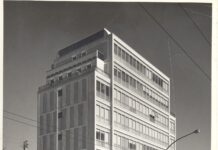
1985 marks the transition from a craft-based operation to an industrial structure. Owning production facilities means planning, investing and building processes. 1999, on the other hand, represents the beginning of a more structured managerial phase: the entry of the second generation and minority shareholders brought new skills, perspectives and a greater openness to the market. It was a period of significant growth, which allowed us to lay the foundations for the company we are today. The return to family governance came later, but on solid ground.
Today you have returned to family management. In a globally competitive context, is this an advantage or a limitation?
If managed correctly, it is a competitive advantage. Family governance enables faster decision-making, strategic consistency and a long-term vision that is often lacking in more fragmented structures. In our case, the presence of myself, my wife and my daughter ensures continuity, but also fosters generational dialogue that drives innovation. It is not a closed model, but one that integrates experience with a forward-looking perspective.
Your structure is now divided into three business units. What is the industrial logic behind this organisation?
Diversification has been a deliberate strategic choice. Today we have three divisions. The historic site focuses on packaging, particularly high-end aesthetic and quality products. The second site, developed in 2020 across more than 20,000 square metres, is our industrial hub: it handles larger volumes, industrial tube production and houses our executive offices. The third division, dedicated to food & beverage, stems from a clear market need: offering certified solutions for direct food contact. This is not just about expanding our offering, but about entering an entirely new production ecosystem.
Food represents a real turning point. What is the strategic value of this choice?
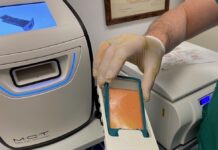
It is one of the most significant directions in our recent development. Packaging for direct food contact requires extremely high standards in terms of quality, regulation and technology. We have invested in a dedicated, entirely new department and obtained the necessary certifications. This allows us to engage with high-level players in the food and beverage sectors. Above all, it enables us to transfer our know-how—developed in industrial and luxury packaging—into a field where safety, sustainability and performance must coexist seamlessly.
Sustainability is now a central issue for the entire sector. How do you approach it in practice?
For us, it is not a recent trend but a long-standing trajectory. We have always worked with paper and adhesives—materials that are inherently sustainable. Over the years, we have further developed this approach: we use vegetable-based glues, recycled and recyclable paper, and pay close attention to surface treatments such as coatings and finishes. Being certified ISO 9001, 14001, 45001, FSC and FSSC 22000 means guaranteeing not only the final product but the entire value chain. Sustainability, in this sense, is an integrated system, not a single action.
Let’s talk about innovation: how central is research and development in your model?
It is so central that it is one of our main distinguishing factors. We have a dedicated R&D area that works closely with production and our in-house design office. This allows us to manage the entire cycle: from concept to prototyping through to industrial production. Our vocation is to tackle complex problems—often those that other operators cannot or do not want to handle. That is where value is created. For us, innovation is not only technological but also design- and relationship-driven.
This ability to tackle “difficult challenges” seems to be part of your identity.
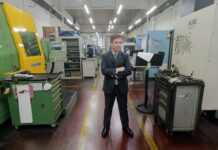
Absolutely. It is almost a company mindset. We do not simply produce; we aim to interpret customer needs, often anticipating them. This requires flexibility, expertise and an organisational structure capable of adapting quickly. Our state-of-the-art machinery is essential, but so is human capital: skilled people able to turn a requirement into a concrete solution.
In an increasingly competitive market, what does it mean today to be a “leader”?
It means being relevant to your customers. It is not just about volumes or turnover, but about the ability to influence the strategic choices of the partners we work with. Being a leader today means offering solutions, reliability and vision—and above all, being able to evolve continuously.
Looking ahead, what will be Tubettificio Robbiese’s priorities?
The directions are clear: strengthening our presence in food & beverage, continuing to invest in sustainability and technological innovation, and consolidating our position in high value-added markets. Above all, we want to maintain the ability to listen and customise that has brought us this far. It is a delicate balance between growth and identity—and that is where our future will be shaped.