











Home Blog Page 13

The impact of the Superbonus Decree on the Italian economy

0

The impact of the Superbonus Decree on the Italian economy
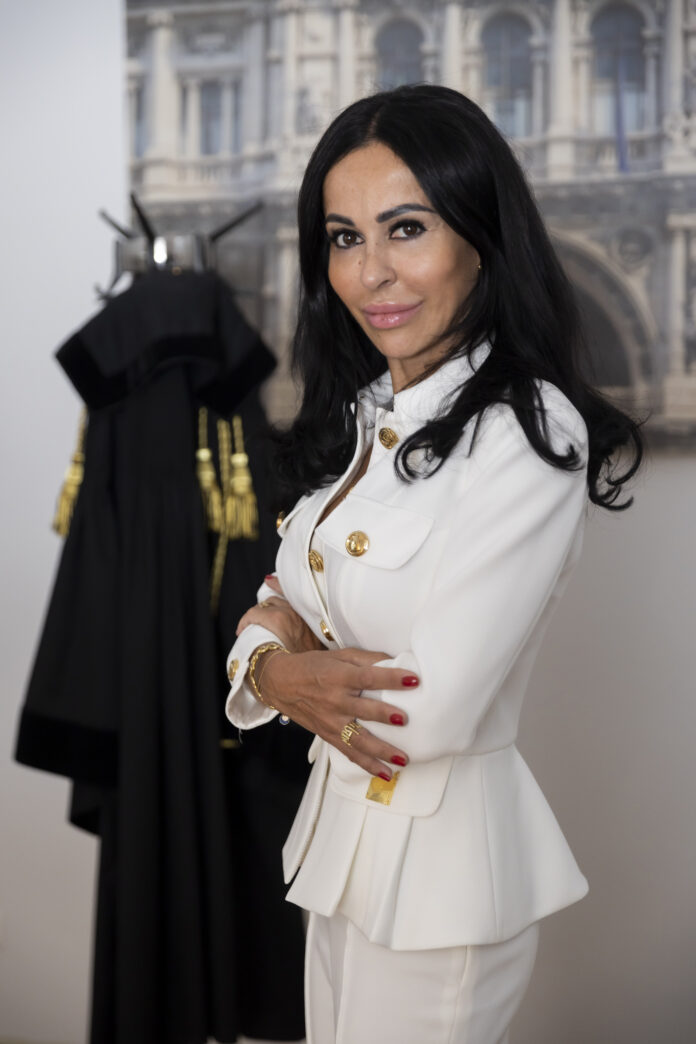
The new Decree-Law No. 39 of 2024, in force since 29 March and converted into law with a maxi-amendment by the Government, contains measures of an essentially fiscal and financial nature aimed at modifying, in several parts, the tax regime of the so-called Superbonus and, in general, that relating to benefits in the construction sector. Speaking on the subject was Alessandra Calabrò, a Court of Cassation lawyer at the Rome Bar specialising in tax law and tax penal law, with extensive experience also in the field of credit recovery and restructuring.
by Roberta Imbimbo

Avv. Calabrò, what are the main changes contained in the new Decree-Law No. 39 of 2024?
The Law converting Decree-Law No. 39/2024 (the so-called ‘Credit Cut Decree’), introduces a series of stringent changes that tighten the grip on building bonuses originally in vi-gore. It is a measure strongly desired by the government, and in particular by the Minister of the Economy Giancarlo Giorgetti, with the intention of giving a breathing space to the public accounts, on which the tax benefits were burdening excessively (for the executive the public deficit – which amounts to approximately 135 billion euro – had become truly unsustainable). In addition to the obligation to spread the deduction over 10 years for Superbonus, seismbonus, and architectural barriers, the fundamental novelty contained in the decree in question concerns the elimination of all exceptions that still allowed certain categories, and for certain types of work, to benefit from discounts on the invoice or the transfer of credit (Decree Law 212/2023 allowed them in certain cases for the architectural barriers bonus and work for Third Sector entities). As of 30 March, the only possibility remains that of tax deductions. The decree affects both the Superbonus – which, in my opinion, has made it possible to restart the Italian economy in strategic sectors such as construction – and the architectural barrier bonus and building renovation work in earthquake-prone areas, except for credits related to the reconstruction of the Apennine crater hit by the 2009 earthquake. This is a very strong novelty also from a political point of view because it acts retroactively, i.e. for those interventions that have already started with building procedures but with works not yet carried out.

More specifically, when does the rule act retroactively?
Decree-Law no. 39/2024 excludes from the credit assignment option taxpayers who have not commenced facilitated works with all the building bonuses despite having submitted a CILAS, authorisation title or assembly resolution by 16 February 2023 as provided for by Decree-Law no. 11/2023. In other words, even if you have started a CILAS file by the above-mentioned date, if you do not have a regular invoice for payment of the works you automatically lose access to the credit transfer with the only possibility of being able to take advantage of the ten-year tax credit deduction.

The Superbonus Decree contains a measure that will also have a negative impact on the banking system. Why?
The Superbonus Decree stipulates that from 1 January 2025, Banks and Credit Institutions will no longer be able to use previously purchased Superbonus and building bonus credits to offset social security credits, i.e. Inps contributions and Inail premiums due. This means that the Banks will not be able to easily dispose of the credits purchased and will not purchase new ones. In addition, banks and credit institutions that purchased the credits at a price below 75 per cent will be able to utilise these credits in six annual instalments instead of four, and the unused portion of the credit will not be available in subsequent years. The freeze on offsets with social security and insurance debts – a provision designed to punish banks that purchased credits at too low a price, taking advantage of the freeze that put professionals and companies in crisis – will unfortunately result in a further clogging of the construction credit market.

In conclusion, how do you judge this new regulatory framework?
This measure, which has been declared an emergency to preserve public accounts, is extremely stringent for all companies in the construction sector that have driven Italy’s GDP in recent years. In my opinion, therefore, while it is true that the state coffers must be safeguarded, it is also necessary to protect a strategic sector for our country’s economy. Italy and companies in the building sector need less stringent regulations that can encourage long-term investments in energy efficiency and sustainability, especially in view of the challenging goals set by the energy transition as reported in the PNIEC.

Website: https://www.calabrolex.it/
Mail: studio@calabrolex.it
Optilume, the new frontier in the treatment of urethral stenosis

0

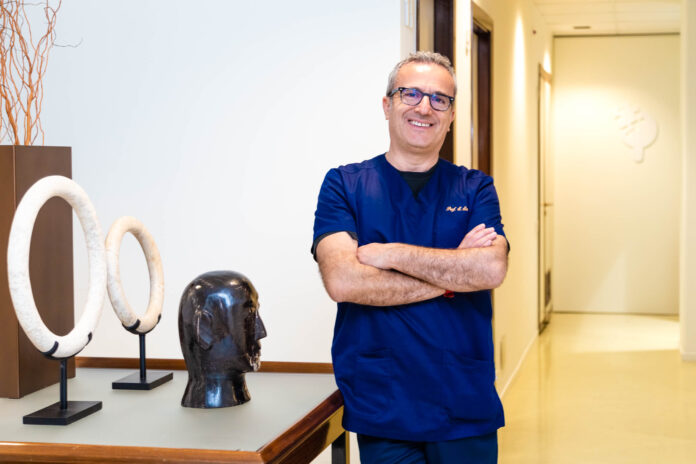
Prof. Salvatore Sansalone, Urologist/Andrologist, specialist in urethral and genital reconstructive surgery. Professor at the University of Tor Vergata, Consultant of the Ministry of Health and Co-founder of UroClinic, a highly specialised Urological Centre able to offer patients the latest generation diagnostic tools and therapies, in this long interview he talks about the latest frontiers in the treatment of urethral stenosis.
by Roberta Imbimbo


Prof. Sansalone, what is urethral stenosis?
Urethral stenosis, a highly invalidating pathology that mainly affects males over 50, refers to the reduction or complete obstruction of the lumen of the urethra, i.e. the channel from which urine escapes, due to multiple factors that lead to a growth of scar tissue at the level of its spongy wall. There are many causes of urethral stenosis, such as urinary infections, urethral trauma, instrumental manoeuvres in the urethra (catheterisation, urethroscopy, cystoscopy, urological interventions) Lichen Sclerosus disease, failed hypospadias, urethral cancer. By means of an accurate anamnesis and specific instrumental examinations, such as uroflowmetry, retrograde urethrocystography, urinalysis and urethroscopy, the specialist is able to precisely determine the cause of the stenosis, identifying the urethral tract involved (anterior or posterior), the degree of severity of the pathology, the impact on the patient’s quality of life, and the most effective therapeutic approach, which depends on the aetiology, length and site of the stenosis. Most of the time, the therapeutic choice falls on surgery. Today, however, enormous progress has been made in this field: there is in fact a minimally invasive treatment, called Optilume, which guarantees very positive results in opening up the stricture and preventing the formation of further scar tissue that usually appears after traditional surgery.

More specifically, what does this innovative endoscopic treatment consist of?
It is a highly innovative minimally invasive device: during the procedure, a balloon is inserted into the urethral tract and then inflated to widen the fibrotic and narrowed area, mechanically dilating the stenosis; at the same time, this paolloncino releases Paclitaxel locally, a chemotherapeutic agent with anti-proliferative properties, with the aim of preventing the fibrotic tissue’s response, which over time could lead to a recurrence of the narrowing. In contrast to standard endoscopic urethrotomy, where the rate of recurrence and thus the need for reoperation is high, this new minimally invasive technique guarantees much higher success rates. Three years after treatment with Optilume, the percentage of patients who remain free of stenosis recurrence stands at 77%. This success rate confirms the durability of the results obtained with this method, which is particularly indicated in the case of small (less than 3 cm) or easily treatable stenoses, such as in young patients who have not already undergone major prostate surgery.

Is this a patient-friendly procedure?
Absolutely! It is an operation that can be performed on an outpatient basis (the patient comes out after a few hours and can safely resume his or her daily activities) without a catheter, with considerable benefits, including psychological ones. Since this is a very delicate operation, the success of which depends on the experience and skill of the operators, it is advisable to rely on highly specialised centres whose surgeons have several cases per year. Thanks to a highly qualified team and state-of-the-art equipment, UroClinic, and especially Prof Sansalone, an international expert in urethral and genital reconstructive surgery, is considered an excellence in this field, able to offer the highest level of care.

SDL promotes gender equality

0

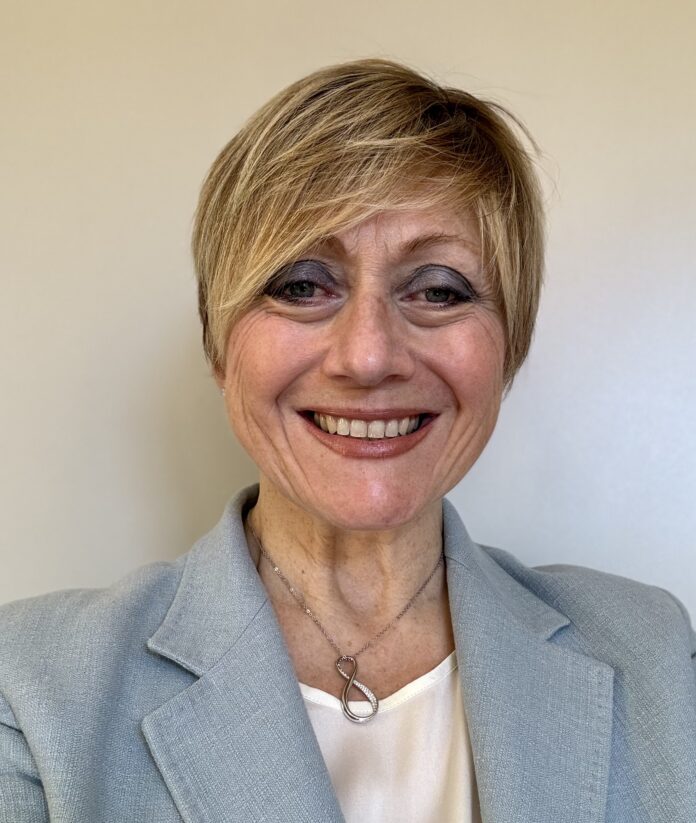
Professionalism, innovation and experience: these are the distinctive traits of SDL – Sustainability Digital & Learning – a company from Cermenate (CO) highly specialised in the ESG (Environment, Social, Governance) sphere that since 2017, the year of its foundation, has developed an innovative method of co-creating and co-generating new processes and procedures for economic, environmental and social sustainability, with a particular focus on Diversity & Inclusion (D&I), gender equality, parental sustainability in the company, Talent Management, and Sustainability Reporting with the new ESRs. “UNI/PDR125:2022 certification is now a very important tool to incentivise companies to adopt appropriate policies to reduce the gender gap in relation to career opportunities, equal pay levels, gender equality management policies and maternity protection. In this area, our mission is to provide companies with highly specialised and customised consultancy – handcrafted and tailor-made according to individual needs – in order to cocreate all those processes that favour gender equality and help organisations change their corporate culture to foster gender equality,’ asserts Sabrina Colombo, CEO of a company that shines on the market for professionalism and innovation. “Gender inequality is not only an issue of social injustice, but also a barrier to our country’s economic growth (according to some estimates, a 60% employment rate for women in Italy would lead to a 7% GDP growth) and an obstacle to building a much more inclusive and sustainable society. The focus on gender equality should start before employees are hired; starting with fair recruiting practices (personnel selection processes should be absolutely neutral).This is why SDL is responsibly called upon to help companies overcome all those unconscious biases that unfortunately still penalise women in the world of work, by monitoring workplaces, verifying the implementation of the gender equality system, resolving any adverse situations, and indicating to entrepreneurs the objectives to be achieved in terms of recruitment, career management, pay equity, and work-life balance. Our purpose has always been to accompany companies, whether large or small, in this process of generating a new mindset on gender equality, so that they are attractive in an increasingly competitive and global market’.

LS Lexjus Sinacta: accelerating the development of Italian SMEs with access to the capital market

0

LS Lexjus Sinacta is a national multi-territorial firm – boasting nine offices in Italy and a team of about 180 professionals, including lawyers and accountants – highly specialised in the field of business law and family assets. An all-Italian excellence – with strong roots in the territory – that assists its clients, mostly SMEs and family businesses that represent the strength of the Italian production system, in a fruitful partnership. Thanks to a strategic vision and highly specialised know-how, over time LS lexjus Sinacta has expanded its core business to other innovative activities. “The Bologna office is one of the few structures rooted in the territory to have a capital marketing department. The aim is to offer a highly specialised service by supporting Italian companies in successfully entering the capital markets with a 360-degree, rigorously qualified and reliable consultancy,’ says lawyer Gianluigi Serafini who, in the course of his brilliant professional career, has gained significant experience in the field of corporate law and, more generally, in all those legal activities related to financial investment services. “The potential of capitalisation through listing, for example, is enormous: listed SMEs are able to attract a professional and well-prepared managerial class; increase their credibility in the reference market; face the generational business transition more serenely; and more easily raise financial resources to foster development and growth. In order to grow and develop in increasingly competitive contexts, SMEs in fact need evolved forms of raising capital, not least to disengage from the traditional operations of the banking system, in a context in which the same system is constrained in its lending activities by the more stringent capital requirements introduced in recent years by the supervisory authorities’.

Unlike in the past, when Italian companies used to finance themselves through short-term bank loans, a virtuous circle has now been set in motion that has seen an increase in both venture capital investments by Italian SMEs and the number of SMEs that have chosen to open up their share capital by going public. Despite the positive results achieved so far also in the cultural sphere (a new corporate culture is a turning point for business growth), LS lexjus Sinacta aspires to consolidate itself in a transversal market, focusing on some fundamental drives linked to the corporate world: strengthening SMEs’ access to the capital market, managing M&A transactions and succession planning processes, protecting the assets of entrepreneurial families, strengthening ESG activities, sustainability and digital transformation, always with the maximisation of customer satisfaction at heart.
For more info (https://www.lslex.com)

MUSE STRATEGY, the strategic partner for businesses

0

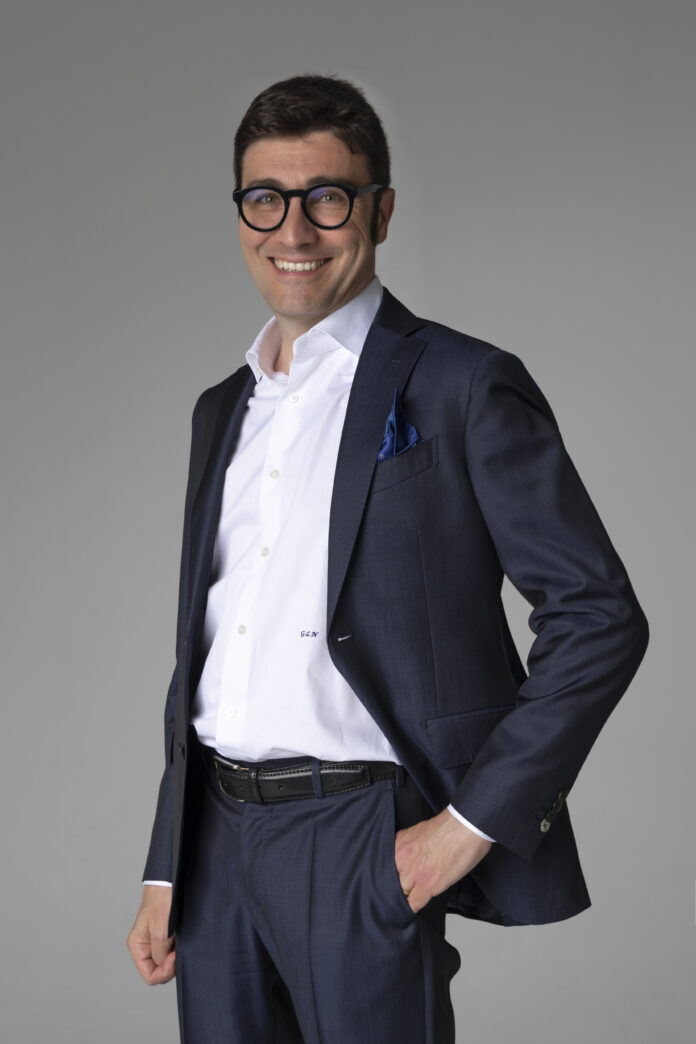
Founded in April 2022 from the creative idea of Gian Luca Nieddu, a chartered accountant with extensive experience in the field of international taxation and operational modelling, MUSE STRATEGY is a highly qualified strategic consultancy company providing business and tax assistance to Italian and foreign multinational groups, with the aim of supporting these entrepreneurial realities in their path of growth and development in their reference market. An innovative and future-oriented excellence that, thanks to a strategic vision and highly specialised know-how matured in articulated and complex consulting sectors such as transfer pricing & operational modelling and international taxation, is positively demonstrating its originality in a highly competitive market dominated by several well-structured players. “The distinctive trait of our consultancy approach, which clearly differentiates us from our numerous competitors, is our integrated vision on the strategic aspects of the company’s business and our ability to offer qualified tailor-made consultancy, rigorously customised according to the needs of each individual client,’ Gian Luca Nieddu, the company’s founder, states in this lengthy interview. (NB by editorial choice this initial focus may be slightly reduced)
by Roberta Imbimbo

Dr. Nieddu, with what mission was MUSE STRATEGY born?
The company was born with the ambitious goal of becoming an important reference point in the field of strategic consulting for multinational groups of any size, both Italian and foreign; a challenge that we are successfully pursuing thanks to an innovative vision and a highly specialised know-how matured by a multidisciplinary team of eight professionals with transversal and complementary skills. Transfer pricing & operational modelling and international taxation – hybrid and complex subjects in which we have more than ten years’ experience – represent for us the meeting point where specific skills of various kinds (economic, corporate, statistical, operational, legal and business strategy) come together and merge into an integrated vision aimed at the company’s strategic development. Over the past two years, the company has expanded its core business to include other strategic activities, thus succeeding in providing all-round consultancy in all those aspects that today are fundamental for creating a true competitive advantage in international markets and for tackling increasingly ambitious challenges.

What peculiarities distinguish you from numerous competitors?
The ability to offer high-level, specialised and ‘tailor-made’ consultancy based on the needs of each individual entrepreneurial reality, the strategic vision on corporate business, and nonetheless the ability to accompany clients all over the world – we are now part of an important international network that allows us to be strategically present everywhere – are the distinguishing features of MUSE STRATEGY. Since its inception, such a multidisciplinary approach has thus enabled it to compete positively in a highly competitive market, seeing its client base, mostly small, medium and large-sized Italian and foreign companies, grow steadily. Since the beginning of its activities, MUSE STRATEGY has been a company with an international outlook and a strong propensity for innovation, able to provide strategic consultancy that is divided into a number of key activities. Thanks to the expertise gained in advising and assisting numerous groups of international relevance, today it has the necessary sensitivity to understand how business development and management processes are structured in order to analyse them not only from an international taxation point of view, but also to provide qualified and reliable assistance in analysing company performance, studying competitors and possible expansion processes abroad. Similarly, MUSE STRATEGY is a true partner that also supports its clients in those activities pertaining to the management of operational, economic, financial, legal and tax risks and assists them in identifying actions and tools to mitigate these risks. Finally, it has acquired skills and experience to also provide qualified advice on ESG reporting, accompanying companies on their journey towards economic, social and environmental sustainability.

Future objectives?
To continue to strive for excellence in our competencies and – at the same time – expand our business advisory services, always putting customer satisfaction first, in order to be more and more the business partner of reference in companies’ strategic decisions!

Higher management training is strategic for SME development

0

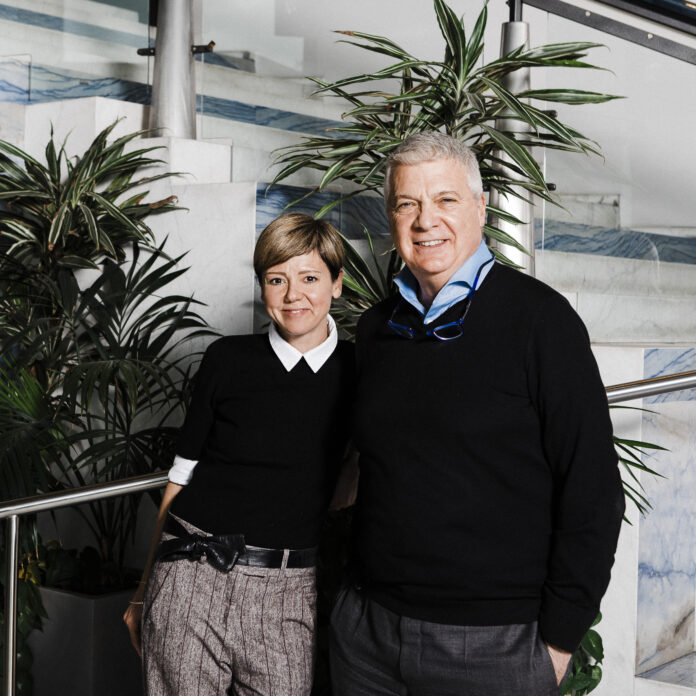
Paolo Ruggeri, President of ACSI and BiG academy, and Ludovica Fiaschi, director of ACSI and BiG Academy, in this long interview tell how this prestigious academy of advanced managerial training came into being.

Ing. Ruggeri, how did BiG ‘Academy’ come about? What is the underlying vision that led to the birth of such an innovative project?
BiG Academy is the only advanced managerial training project in Italy that was created by the company for the company, conceived and implemented with the fundamental contribution of large corporations. Large corporations today have a great challenge and at the same time a great responsibility, namely that of committing themselves to the preservation and growth of supply chain companies, which are mostly SMEs and in many cases also family-run businesses that, while boasting excellent products and services, are unfortunately lacking in terms of managerial skills; special features of high added value and competitiveness, indispensable to successfully operate in a supply chain continuously exposed to the challenges of the global market. With the aim of contributing to the strengthening and growth of supply chain companies, thus creating evolved, integrated supply chains capable of competing, in 2019 a number of major companies in the energy, engineering, optics and IT sectors – Baker Hughes, El.En Group, KME, Leonardo, Thales – set up BiG Academy, a Management Academy based on peer learning, conceived and managed by ACSI (Association for Industrial Culture and Development) in collaboration with the University of Florence. During its first four years of life, 12 more companies from different sectors joined the Association, giving the BiG Academy project a much broader dimension than the original one. In fact, thanks to its innovative vision, the initiative has expanded rapidly: from a vertical project on supply chains, in a short time it has become a horizontal project involving different economic actors not only from the Tuscan regional territory, where this idea was born and proved to be successful, but from the whole country.

Dr Fiaschi, so what is the added value of your method?
It is a mixed and two-dimensional methodology because it involves teaching in pairs: representatives of the university world meet with top managers with proven business experience to transfer, with a synergic approach to future SME managers, all the specialist knowledge they need to increase their skills. The level of expertise is important to be able to all speak the same language, to be able to work as a system and, together, to keep the competitiveness of the Italian industrial sector high. The participants – now in ever increasing numbers, belonging to the most diverse economic sectors (bearing witness to the fact that BiG Academy is a project that adapts well to any industrial context) – experience different levels of learning in prestigious thematic areas (Governance, Internationalisation, Finance, Operations, Energy Transition and Digitalisation, Organisational Development). On one hand, good business practices find depth and breadth in academic models, on the other hand, theory is reflected in real-life examples and practical demonstrations. In conclusion, our model of advanced managerial training undoubtedly represents a great opportunity for SMEs to grow and prosper in their market of reference; to have the same level of managerial culture and the same business language as large enterprises; and not least to significantly increase the competitiveness of Sistema Italia by creating evolved and attractive supply chains.

EXEO LAB, leader in internationalisation processes

0

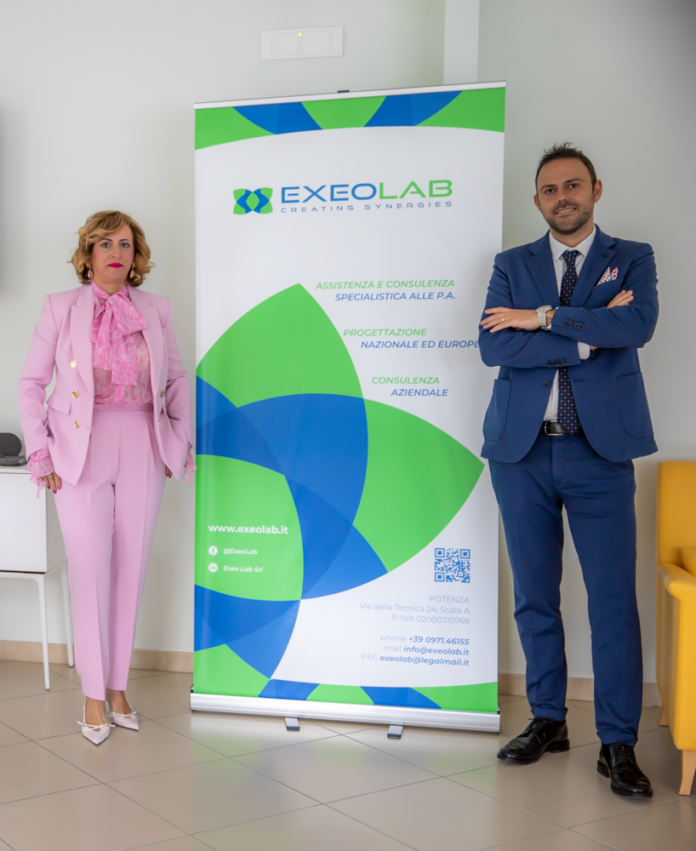
Established in Potenza in 2017 from the expertise gained by entrepreneurs Anna Maria Gentile, CEO, and Nicola Vita, Head of International Projects Area, EXEO Lab is a global company highly specialised in specialised consultancy to public administrations, starting from planning up to the implementation, management, monitoring and control of territorial development strategies financed with regional, national and European resources. At the same time, it offers specialised consultancy to SMEs and start-ups in the design of innovative business development and internationalisation strategies to prepare them to face the challenges imposed by an increasingly global and competitive market.
by Roberta Imbimbo

Dr Gentile, with what mission was EXEO LAB born?


The company was founded in 2017 with the aim of becoming an important point of reference in the consulting market for Public Administration and businesses, on the strength of an extra-tegic vision, highly specialised know-how and the experience gained by its partners. Thanks to these high added-value features, and nevertheless to the ability to interconnect skills and professionalism of the highest level in order to meet an ever-increasing demand for innovative services, EXEO Lab has succeeded in asserting its leadership in a highly competitive market and in increasing its client base year after year, both at national and European level. Today, EXEO Lab is considered a qualified and reliable partner able to provide a strictly tailor-made, handcrafted consultancy, customised and tailored to individual needs, with the primary objective of maximising customer satisfaction, making companies absolutely more competitive in their target market. Among the most important partnerships is the framework agreement with Coca Cola HBC Italia.

EXEO Lab is highly specialised in specialised consultancy for companies that want to expand beyond national borders. Within this macro area, what services do you offer and what are the distinguishing features of your consultancy approach?
A general premise is necessary. Internationalisation is the process through which an average structured company aims to grow beyond its own borders, trying to penetrate new markets and find new potential customers in decisively more attractive markets. Today, many companies undertake an internationalisation process in order to seek new revenue opportunities, to occupy a segment in which there are few competitors or because the domestic market is saturated. In order to be successful, however, a company must strategically plan this process, which cannot be improvised at all or considered an escape tactic from a problematic situation in the domestic market, taking into consideration various technical, organisational and financial aspects, carefully planning each step and being supported by highly qualified partners.

Dr. Vita, EXEO Lab is able to support all those companies that, already competitive on the domestic market, want to explore new strategic markets.


Absolutely! Today, there are new strategic markets, especially in emerging target countries where the growth and development rate is higher than at home and in Europe. EXEO Lab has commercial and institutional re-relationships with 34 countries, 26 of which are in Europe, and is therefore absolutely capable of providing high value-added services through a 360-degree turnkey consultancy service that includes needs analysis, the establishment of strategic partnerships in target countries, legal assistance, risk management, and the activation of financial instruments necessary for internationalisation (we have an agreement with SACE, an organisation controlled by the MEF). Over time, we have developed important institutional relations, particularly in Saudi Arabia, where an extremely favourable environment for international companies has developed. It is a more than promising market, with important opportunities for companies operating in the construction sector and willing to build strategic joint ventures with local companies. The demand is for large projects such as stadiums, resorts, hospitals, shopping centres or infrastructure projects such as motorways or railways. Equally significant are partnership and business opportunities in the renewable energy sector, as Saudi Arabia is currently among the world’s leading countries in the energy transition.

For more info (https://www.exeolab.it; info@exeolab.it).

AI makes claims management evolve

0

Established in 1997 in Catania from the far-sighted idea of entrepreneur Concetto Franco Privitera and three other partners, now in its second generation with the entry into the company of the founder’s son, Sogesa is a green and future-oriented company highly specialised in integrated claims management; an all-Italian excellence that pays great attention to the valorisation of human capital and environmental sustainability and that has managed to assert its leadership in a highly competitive market thanks to a strategic vision and the use of innovative digital technologies. “Today, artificial intelligence plays a fundamental role in speeding up the claims management process, while maximising customer satisfaction,” says Francesco Privitera, the company’s CEO, in this lengthy interview.
by Roberta Imbimbo

Dr Privitera, with what mission was Sogesa born?
Sogesa was established in 1997 in Catania, with the ambitious objective of becoming an important reference point in the integrated and digital management of claims; a challenge that was won thanks to a strategic vision, an innovative business approach aimed at the centrality of people (both customers and employees), and the ability to take care of the claim process at 360 degrees, from the opening of the file to the settlement of the claim. Over time, in fact, this all-Italian excellence has expanded its core business (expert reports) to other strategic activities, becoming a single interlocutor able to provide qualified and reliable support and advice to the country’s most important insurance companies or large brokers.

What peculiarities distinguish you from your competitors?
A strong vocation for technological innovation, highly specialised know-how developed by a highly qualified team, a strong focus on environmental sustainability (for several years we have been active in the Reclaim the Planet campaign), and a strictly tailor-made service, tailored to the customer’s specific needs, are the values that have always guided our work. Thanks to these high added-value features, Sogesa has succeeded in establishing itself in a highly competitive market, clearly distinguishing itself from its numerous competitors, and has experienced rapid growth in terms of both turnover and organisational structure, with the opening of no fewer than eight operational offices spread across the country.

How is AI revolutionising the way you operate?
Technology is significantly improving the efficiency of claims management processes. AI makes it possible to minimise operational inefficiencies and the risk of human error, to recognise damage to a vehicle and damaged parts from images, and to enrich this information with data that facilitates expert activities. PerizIA, for example, is an operating system of ours (recognised by the Insurance Connect Awards 2023 as the best Claims Management in the digital category) that speeds up the process of estimating motor claims with optimised management enabled by AI algorithms. The user, insured or adjuster, takes a video or photos of the damaged vehicle; the AI system analyses the images to compile a damage estimate, using information from the vehicle database. Finally, the report compiled in this way is submitted for validation by an assessor before being sent, with considerable advantages in terms of time and cost. Obviously, AI can never completely replace the human factor: only the right balance between the automation offered by AI and human expertise can guarantee quality appraisals and full policyholder satisfaction.

Many achievements to date. Future goals?
To continue to grow in hitherto unexplored markets, always with a focus on valuing the people who work for and with us and the health of our Planet!

Ninni De Santis: ‘Art is politics by other means’

0

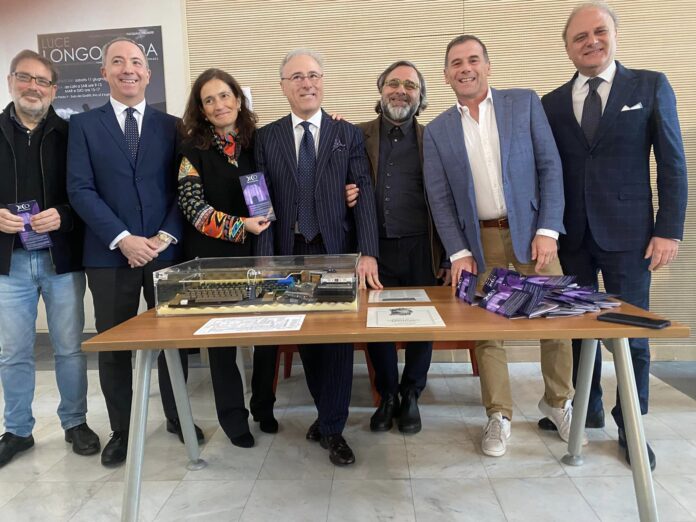
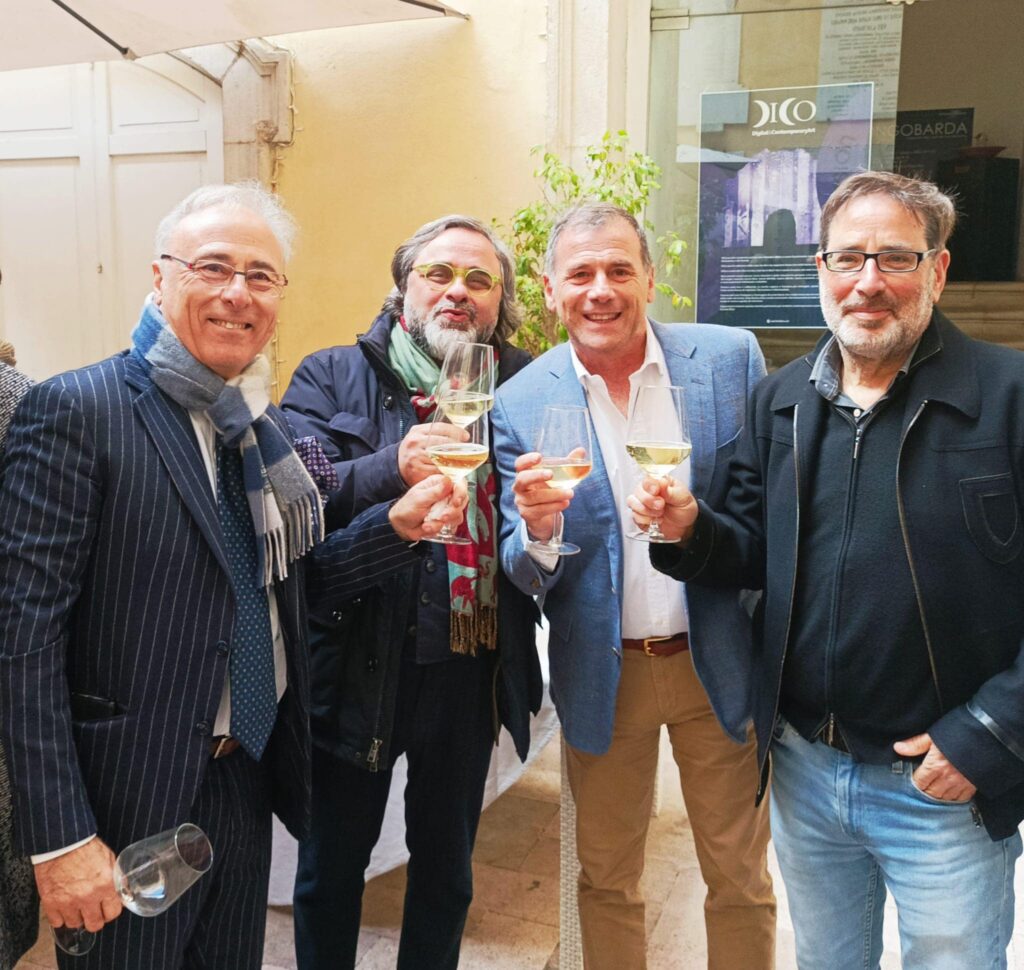
With the ambitious goal of giving new vitality to Sannio, collaborating in the cultural and artistic growth of an area rich in history, DiCo (www.saichetidico.art) was founded, an association that aims to enhance the economic, social, cultural, entrepreneurial, artistic, and historical potential of a land that aspires to compete on a global level, as Francesco Cascino, Ninni De Santis, and Fabrizio D’Aloia, the founding fathers of this all-Sanniti excellence, explain in this long interview.

Dr. Cascino, when was the DiCo Association established? Who are the founders of this new reality?
DiCo – Digital & Contemporary Art was born in December 2023 from the union of three professionals, two of whom, Cascino and D’Aloia, have been involved in contemporary art for over 25 years. Pellegrino De Santis, Ninni for everyone, is the President of DiCo: an engineer, entrepreneur, expert in Industry 4.0 but always passionate about culture linked to business development. Former President of Giovani and Vice-President of Confindustria Campania, and currently Vice-President of ABIE (the Blockchain association of Confindustria), he has always been attentive to the hybridisation of culture and business, which, in reality, is nothing other than the Olivetti model applied not only to businesses but also to cities understood as the fabric of social and professional relations. Fabrizio D’Aloia, Vice Chairman of DiCo, also from Benevento, an electronic engineer, is a serial entrepreneur in the context of digital research and art using digital media. Also an advisor in ABIE, he is founder of ArtSquare, the first contemporary art exchange and partner of Eterna Capital Fondo, focused on Blockchain technology. He is a technology & future evangelist as well as a yachtsman, traveller and eclectic art and technology collector. And then there is me, Francesco Cascino, DiCo’s Artistic Director; I operate as an Art Consultant, i.e. a contemporary art collection design consultant and Art Thinking Oriented Curator, i.e. a creator and artistic director of cultural design through both the devices of art and the grafting of artists into urban, entrepreneurial and public art processes linked to territorial development. The idea was born a couple of years ago in a chance meeting between the two Samnites in Pimlico in the heart of London evolving with innovation and art. From that meeting emerged the desire to enrich Benevento and Sannio with new-generation cultural palimpsests that would enhance the existing heritage and create new ones.

Ing. De Santis, what are DiCo’s aims and objectives?
Starting from the methods of Art Thinking and public art that generate identity, aggregation, and new territorial attractors, first of all for the citizens of Benevento, but also for attentive and curious visitors, as well as investors, we will call on artists and professionals to discover and bring out new values through the various languages of art, and we will involve the entire social, entrepreneurial, commercial and political fabric in permanent and temporary operations of participatory cultural design with a high rate of social and economic innovation, as they have been doing for 20 years now in evolved contexts around the world, which are, however, much less seductive and interesting than Sannio. We must not have the complexes that the institutions have stopped the development of the South, which today is instead a destination for intelligent people who rediscover the need for authenticity and welcome. If we look at the examples of public art and integrated cultural districts around the world, we find that they produce double-digit GDP increases, new jobs, and new economies. All through the poetry of the arts that stimulate intelligence, identity and vision.

How do you intend to enhance the Sanniti territory and identity?
We know what we could do, but we want to elaborate and refine our ideas with citizens, politicians, entrepreneurs and all the players in the area, starting with young people and artisans. Naturally, our proposals have as their first interlocutor the municipality and the province, which have shared our proposals with extreme and rare participation. Listening and responding between culture and politics in Benevento once again stimulates the imagination that has built the thousand-year-old cities of art beloved throughout the world: the Council sees the perfect relationship between art, politics and development that they do not see in other places. Starting with the Mayor Clemente Mastella and councillors Antonella Tartaglia Polcini, Luigi Ambrosone, Molly Chiusolo and Attilio Cappa, and the President of the Province Nino Lombardi. Public art is culture, but it is also entrepreneurial development, just as it is city design, nourishment of evolutionary knowledge for citizens and attraction of a target of high-spending visitors. So we will work as a team with those who care about the daily growth of the territory, without categories or fences.

Mr D’Aloia, what projects have been implemented to date? And what are the future goals?
We have just been established as DiCo (whose name refers to the fact that everyone has a say), but many important projects have been realised. We are, for example, launching a co-project for the restoration and enhancement of the public work Crib by Riccardo Dalisi with the municipality, and of two works by Atelier Van Lieshout with the Province of Benevento. For the future, we will propose the creation of temporary and permanent cultural palimpsests, including the use of two museum spaces as spaces for the expression of the arts and incubators of new professional opportunities; all with the help of artists who are able to understand the aptitudes of the territory and involve local craftsmen and peculiarities to make them cultural and identity symbols. We will co-design and realise new public art of the highest philosophical quality that mirrors the community and in front of which daily collective and connective aggregation and reflection is generated, as well as a high-profile cultural attraction for travellers and investors from all over the world. Art serves to help citizens and their children grow, tourism comes next, and with a cultured city, much more fertile and productive tourism is generated.

Mayor Mastella, how do you welcome this initiative?
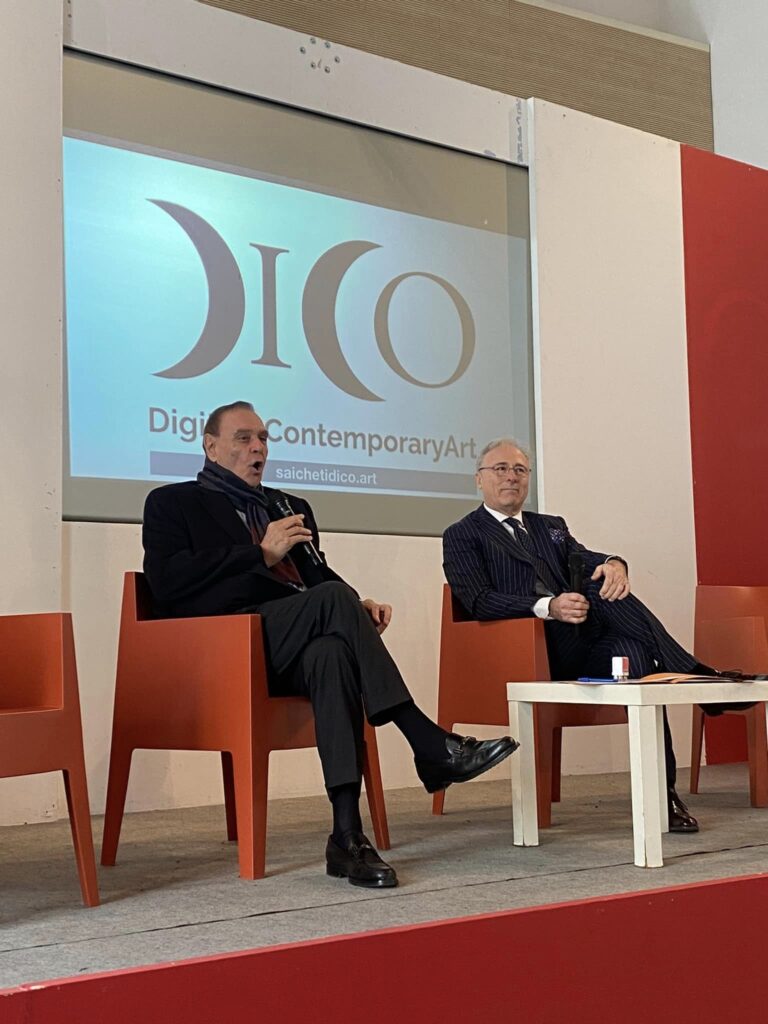
With favour and enthusiasm! Pellegrino De Santis and Fabrizio D’Aloia with DiCo are embarking on a form of enlightened patronage that we immediately nurtured: they will restore Riccardo Dalisi’s Nativity Scene, which was purchased by administrations prior to mine but had ended up in oblivion. We are investing a great deal in the culture and beauty of Benevento: we have illuminated the city’s main monuments, with funds from a European programme we have enhanced the areas near the most interesting sites such as the Longobard Walls and the Arch of Trajan, and we have revitalised the Diocesan Museum. A few days ago I was with Minister Sangiuliano: Benevento will have the most important Egyptian Museum in southern Italy. If the work of the institutions, which naturally have limited funds and cannot do everything, is flanked by that of generous entrepreneurs who donate to the city and that of enthusiasts with skills and means, then we can really achieve important results and make culture and tourism the real industries of the city.

Decsa, market leader in the production and maintenance of evaporative cooling towers

0

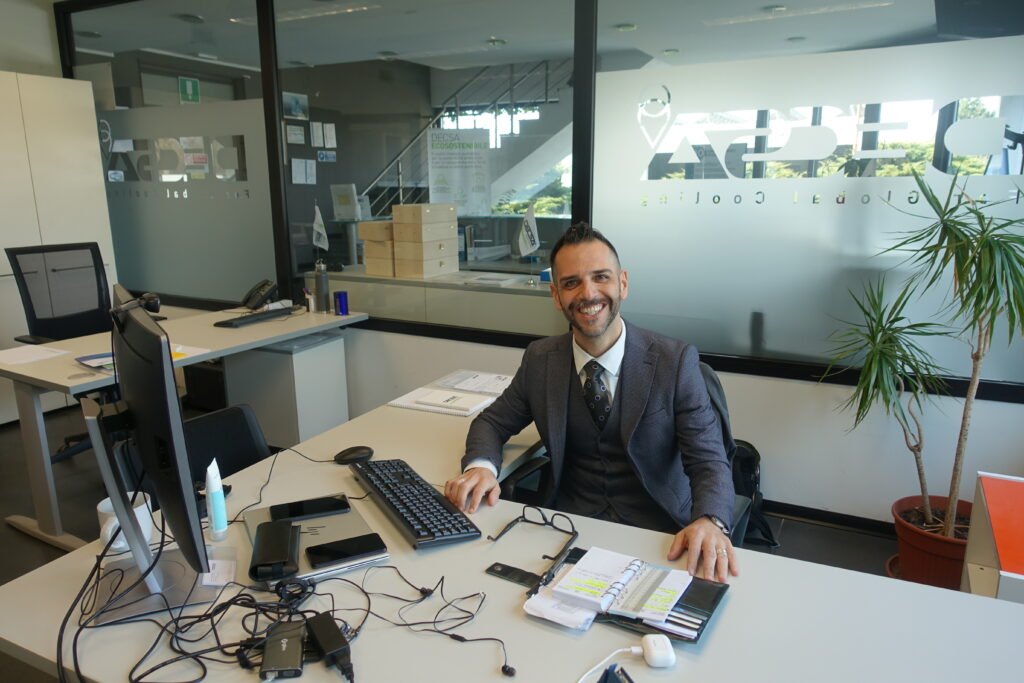
Founded in Voghera in 1975, and now in its second generation, Decsa is a historical and future-oriented company highly specialised in the production of open and closed circuit cooling towers and evaporative condensers; a young, dynamic and knowledgeable company that has managed to assert its leadership in a highly competitive market thanks to a strategic vision and an innovative business approach, as Giovanni Luca Ribezzi, the company’s Sales and Marketing Director, states in this lengthy interview.
by Roberta Imbimbo


Dr Ribezzi, with what mission was Decsa born?

The company was born in Voghera in 1975 from the far-sighted idea of Gianluca de Cardenas; a young and passionate entrepreneur who, after gaining significant experience in the world of ventilation, decided to set up a new business highly specialised in the construction of evaporative cooling machines. Over time, and more specifically with the entry into the company of Nicola de Cardenas, the founder’s son and current CEO of the company, this all-Italian excellence has experienced extraordinary growth both in terms of turnover and organisational structure, while remaining firmly rooted in Voghera. In August 2022, Decsa became part of the prestigious Cofinair Group, and the industrial pole resulting from the merger of three large tower manufacturers (Jacir in France, Gohl in Germany and Decsa in Italy) immediately asserted its leadership on a global level, on the strength of greater production diver-sification, a broader skills base and a de-cisely more solid commercial structure. Of the three Group companies, however, Decsa is the one with the greatest vocation for export: its cooling solutions – available in more than one model and more than one power to meet the most specific needs of each individual customer – are today well known and appreciated both on the domestic and international markets, especially in the USA, Mexico and Asia. In recent years, over 8,000 Decsa-branded cooling towers have been sold in over 100 countries.

What peculiarities distinguish you from other market players?
We are very different and innovative compared to our direct competitors. We are just one step away from an important milestone – next year we will celebrate our first 50 years of existence – and we have imposed ourselves in a highly competitive market dominated by numerous well-structured players, thanks to a strategic vision, an innovative business approach aimed at customer centrality (hence the choice to offer customisable solutions, tailor-made in an almost artisanal manner according to individual requests), highly specialised know-how, and many years of design and application experience gained by a multidisciplinary team of 40 qualified and motivated professionals. Our core business – the industrial production of evaporative towers – allows us to offer certified, high quality solutions that perfectly meet the needs of the HVAC and industrial refrigeration market. In addition to the wide range of customisable products offered (think for example of the possibility of developing cooling towers with on-board regulation), Decsa is today highly appreciated in Italy and around the world also for other activities with high added value, such as preventive maintenance, which, if carried out constantly, allows us to preserve the efficiency, safety and longevity of cooling towers and evaporative condensers, regardless of brand and model (we therefore also work on machines of other brands). The fact that we have our technical department, R&D department, marketing, production, sales and after-sales in the same plant gives us a clear advantage over large American multinationals which, on the contrary, have much more cumbersome and elephantine organisations.

Let us dwell on this point for a moment. Industry today is constantly looking for ways to increase the production efficiency of its plants. In this operational context, how important is it to be able to offer a predictive maintenance service?
Very much! Predictive maintenance and reactive mmaintenance are fundamental activities in industrial environments as they are the key to preventing problems and failures, improving plant productivity and reducing downtime to a minimum. No one can therefore dispute the need for an effective maintenance regime. Today, thanks to a qualified in-house staff, Decsa is absolutely capable of providing rapid and certain answers, keeping production processes under control, ensuring high performance, service continuity and, more generally, improving the overall production efficiency of its customers’ cooling towers.
Many goals have been achieved to date. Future goals?
To continue to grow in the domestic market by increasing our market share. The fact that we have joined a multinational Group will also allow us to overcome increasingly ambitious challenges not only in Italy but also abroad, in markets that have not yet been explored, always having at heart the maximisation of customer satisfaction, which has always been our priority objective!

For more info (https://www.decsasrl.com)

Recent Posts

Most Popular

HB: Thirty Years of Structural Innovation Between Solid Roots and an International Vision

The civil engineering activity of Engineer Oswald Holzner began in 1994 in Lana as a firm specializing in structural and geotechnical design, immediately standing...

Smart Finance and New Economies: Andrea Di Bari’s Challenge for a More Autonomous and...

The intertwining of geopolitics, technological innovation, and new economies such as the space economy and the defence economy is reshaping the maps of global...

Minimum Wage and the Fragile Balance of Labor in Italy

In the heated debate over the introduction of a minimum wage in Italy, opposing visions collide: on one side, the need to protect the...

Architecture That Becomes Life: The Vision of Lucio Merlini

In the vibrant and complex setting of Lake Garda—where history, landscape, and architectural memory coexist—architect Lucio Merlini pursues a professional vision that goes far...

CambiaVerso Plus: the Italian platform revolutionizing innovation project management

No longer a consulting firm, but a company that manages, coordinates, and drives the evolution of innovation projects. CambiaVerso establishes itself as a leading...