




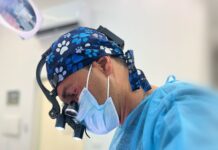
































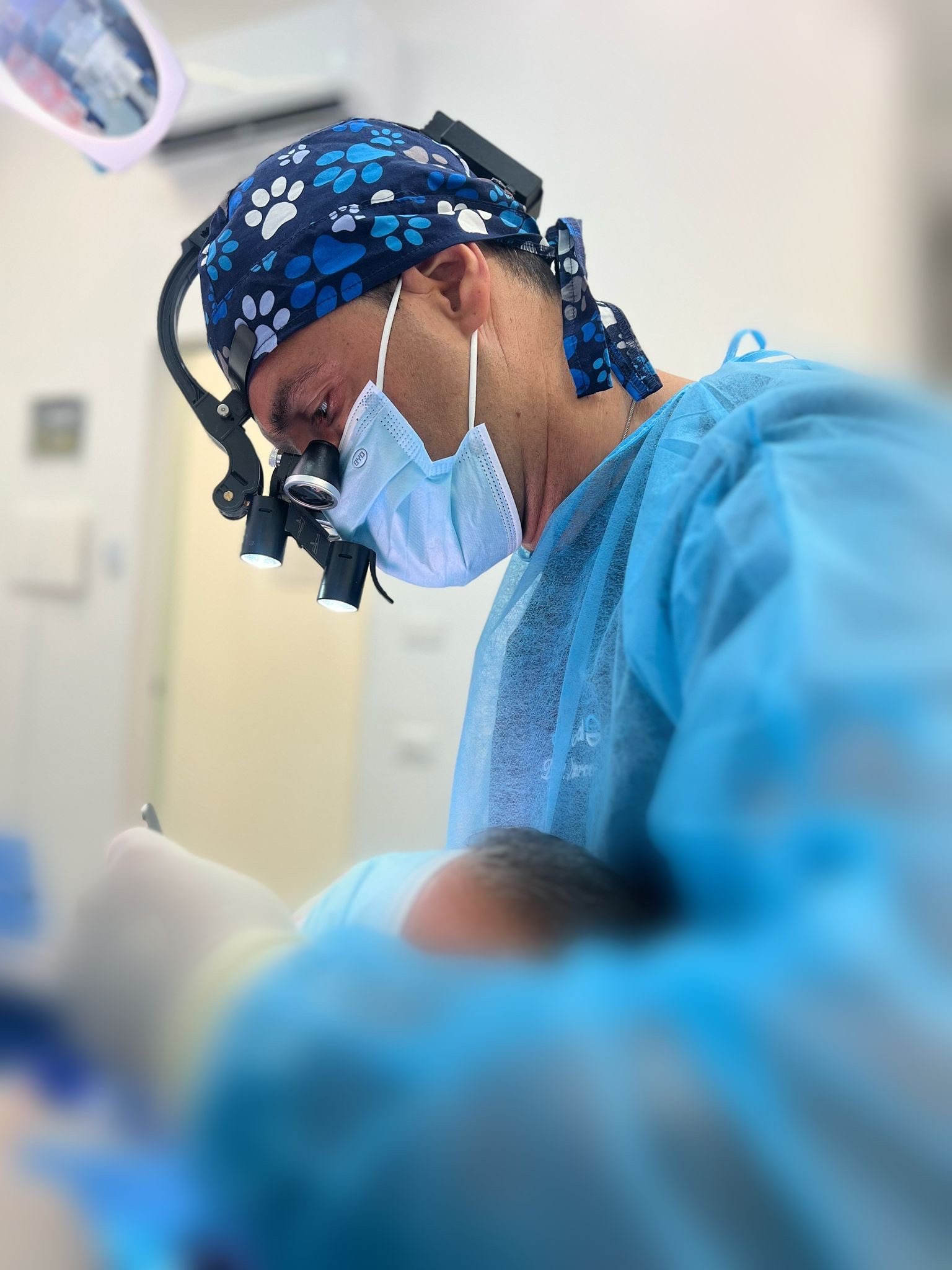
Dentistry is undergoing a profound transformation, driven by technologies that have made possible what just a few years ago seemed unimaginable. Implantology, in particular, has shifted from long and invasive procedures to predictable, minimally traumatic protocols capable of delivering fixed teeth in record time. This is thanks to digital surgery and new graftless methods, which allow implants to be placed without bone grafts. A true revolution responding to today’s patients’ demand to restore both aesthetics and function… immediately. We discuss this with Dr. Marco Marra, specialist in Implantology and Implant Prosthetics in Odontostomatology.
Dr. Marra, what does “graftless” mean today?
It means rehabilitating patients with severe bone atrophy without reconstruction, without bone harvesting, and without long waiting times. In the past, lack of bone required complex regeneration, sinus lifts, and lengthy rehabilitation processes. Today we use longer, angled, and biomechanically optimized implants capable of anchoring in naturally denser areas: the palatal cortical, the nasal base, the pterygoid region, and the zygomatic bone. It’s a completely different philosophy: not recreating bone, but making the most of what is available.
What technological leap has made this approach possible?
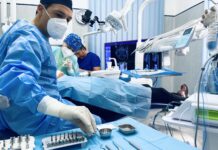
It’s the combination of two elements: 3D digital planning, which allows precise mapping of the residual bone areas, and computer-guided surgery, which enables extremely precise, often flapless, placement. The synergy between technology and biomechanics allows us to identify and use extremely dense cortical areas even in patients with severe atrophy. This is one of the main reasons graftless techniques have been so successful.
Why can these implants be immediately loaded?
Because they achieve very high primary stability. Angled implants gain bicortical anchorage in highly mineralized bone areas. A screw-retained prosthesis placed within 24 hours further stabilizes the system. The result is a proven biomechanical balance that allows patients to chew the same day, even in conditions that previously required up to 18 months of treatment.
And the clinical results?
International literature is clear: success rates above 90–95%, often higher than traditional protocols that require major grafts. Pterygoid, zygomatic, and angled implants for atrophic maxillae are now reliable, documented, and highly predictable solutions.
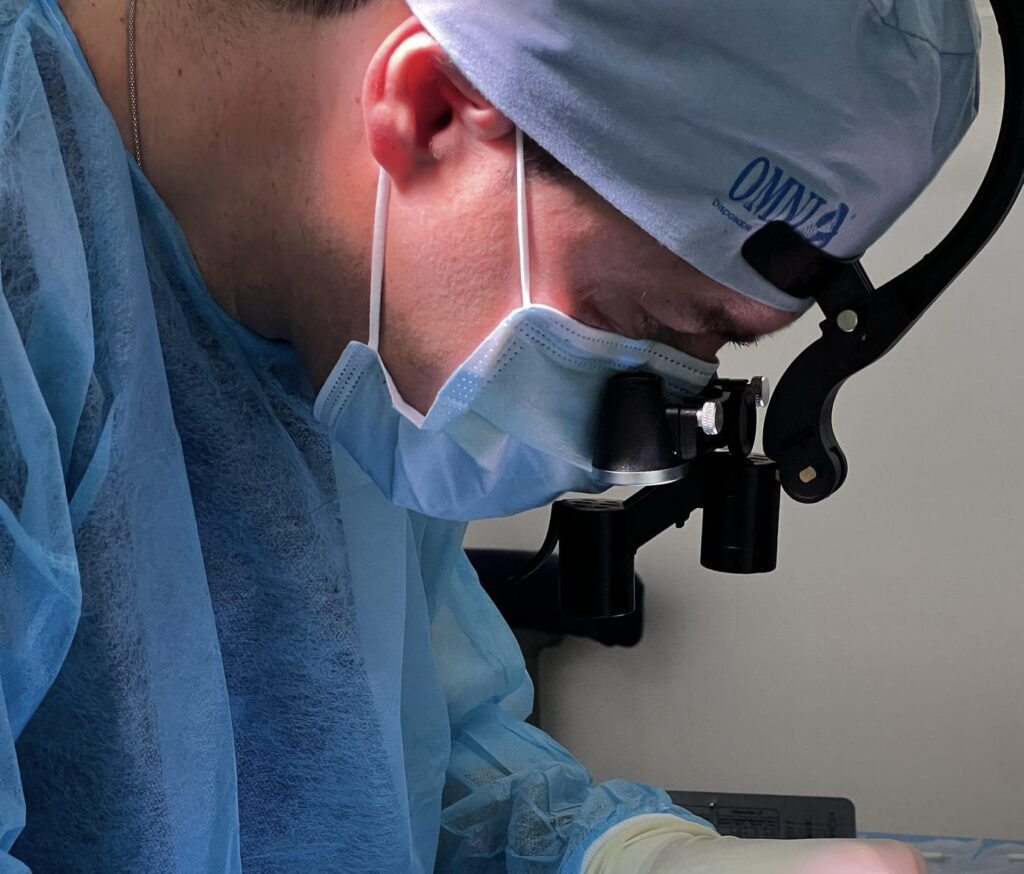
From the patient’s perspective, what changes?
Everything changes. No more multiple surgeries, bone harvesting, significant swelling, or months without teeth. With graftless techniques, the process is: a single surgical procedure, implants placed without grafts, a screw-retained fixed prosthesis within 24 hours, and dramatically reduced recovery times. Essentially, the patient can smile and chew immediately. This immediacy addresses one of today’s strongest patient demands: “I want my teeth now.”
What is the direction of implantology in the coming years?
Towards increasingly digital, personalized, minimally invasive, and immediate surgery. Bone grafts will not disappear—they are still indicated in some cases—but they are no longer the first choice. Graftless techniques represent this evolution: modern, rational, predictable implantology focused on patient well-being.
This approach delivers a clear message: no one today should resign themselves to removable dentures. Implantologists now have an “arsenal” with multiple options—long implants, angled implants, pterygoid, zygomatic, immediate loading, guided surgery—that allow them to personalize every case. The future of the discipline lies here: not adapting the patient to the technique, but selecting the perfect technique for that patient. A silent revolution, set to change forever the way smiles are restored.